


Air Purifier and Dehumidifier: Do You Need Both or Just One?
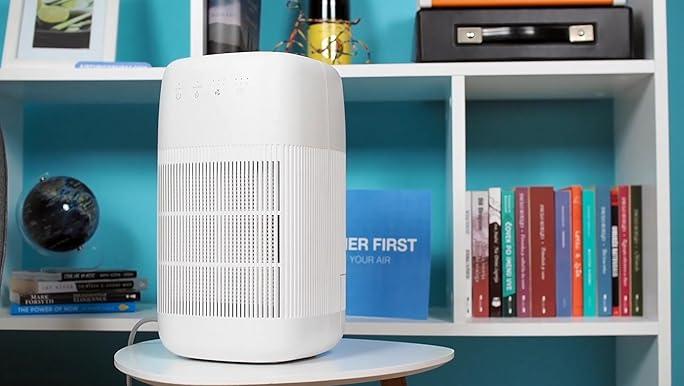
Clean air shapes how a home feels every single day. It affects breathing, sleep, focus, and even mood. Many households notice dust in the air, damp smells in corners, or rooms that feel heavy and uncomfortable. This leads to one common question about using an air purifier and dehumidifier together or choosing just one. The answer depends on what your home struggles with most. This guide explains both devices in plain terms, without sales talk, so you can decide with confidence.
Why Indoor Air Feels Uncomfortable
Indoor air carries more than oxygen. It holds dust, pollen, moisture, and odours from daily life. Poor airflow traps these elements inside rooms, where they slowly build up. Over time, this creates irritation, stale smells, and visible damp patches.
Some homes feel dusty even after cleaning. Others feel damp, with a cold smell that never fades. Each sign points to a different issue, and each issue needs a different solution.
What an Air Purifier Actually Does
An air purifier focuses on what floats in the air. It pulls air through layers of filters that catch fine particles. The device then releases cleaner air back into the room.
How an Air Purifier Helps Daily Life
-
Traps dust and pollen before they settle
-
Reduces smoke and lingering cooking smells
-
Supports easier breathing during rest
-
Keeps indoor air clearer for longer
An air purifier for home use works well in bedrooms, living areas, and flats near busy roads. It suits homes with pets, allergy concerns, or limited ventilation.
What It Cannot Fix
This device does not remove moisture. It will not stop condensation or dry damp walls. If moisture causes the main problem, another solution works better.
What a Dehumidifier Brings to a Home
A dehumidifier targets moisture in the air. It pulls humid air inside, extracts water, and sends drier air back into the room. This process changes how the space feels within hours.
How a Dehumidifier Improves Comfort
-
Reduces damp and stale smells
-
Limits mould growth on surfaces
-
Protects wooden furniture and fabrics
-
Makes rooms feel lighter and fresher
This device suits homes with poor airflow, ground-floor rooms, or regions with frequent rain.
What It Cannot Fix
A dehumidifier does not clean the air. Dust, pollen, and smoke remain unless another device removes them.
Key Differences Explained Simply
Both devices improve indoor comfort, yet they work in different ways. One cleans. The other dries. Confusion starts when people expect one device to do both jobs.
The table below shows the difference in a clear way.
Before you read it, remember this simple idea. If the problem floats, filtration helps. If the problem clings and smells damp, drying helps.
| Feature | Air Purifier | Dehumidifier |
|---|---|---|
| Main purpose | Cleans airborne particles | Removes excess moisture |
| Helps allergies | Yes | No |
| Reduces damp | No | Yes |
| Changes humidity | No | Yes |
| Improves air clarity | Yes | No |
This comparison shows why choosing the right device matters.
Do Some Homes Need Both?
Yes, some homes benefit from using both devices. This often happens in humid areas with limited ventilation. Moist air supports mould growth, while dust and pollen still float around the same rooms.
If your home smells damp and also triggers sneezing, one device will not solve everything. In this case, using both devices in different rooms brings better balance.
That said, many homes feel better with just one device. Buying both without a clear reason often leads to frustration.
How to Identify What Your Home Needs
You can spot the right choice by paying attention to daily signs.
Signs That Point to an Air Purifier
-
Dust settles quickly after cleaning
-
Sneezing or itchy eyes indoors
-
Smoke or traffic smells linger
-
Pets shed fur that spreads fast
Signs That Point to a Dehumidifier
-
Water forms on windows
-
Walls feel cold and damp
-
Cupboards smell musty
-
Clothes dry slowly indoors
When one set of signs appears more often, start with that device.
Placement Makes a Real Difference
Correct placement helps each device work at its best.
Best Spot for an Air Purifier
Place it where people spend most time, such as bedrooms or lounges. Leave space around the unit so air flows freely. Avoid placing it near open windows.
Best Spot for a Dehumidifier
Place it in damp-prone areas like near bathrooms or kitchens. Keep doors and windows closed during use to support faster drying.
Daily Care and Long-Term Use
Both devices need basic care to stay effective.
An air purifier needs regular filter checks. A blocked filter reduces airflow and cleaning ability. A dehumidifier needs regular emptying of collected water unless it drains automatically.
These habits take little time and protect indoor air quality.
Energy Use and Sound Levels
Modern devices run quieter and use power more efficiently. Still, each works differently.
An air purifier often runs for long periods, even during sleep. A dehumidifier runs in cycles and uses more power during operation. Using each device only when needed keeps energy use under control.
Clearing Up Common Misunderstandings
Many people believe an air purifier dries the air. This idea causes disappointment. Others think a dehumidifier removes dust. This belief leads to allergy issues staying unresolved.
Each device has one main role. Understanding that role avoids wasted effort.
Final Thoughts: Choose With Clarity
A comfortable home starts with clean, balanced air. Choosing between these devices does not need guesswork. Identify the main issue first, then match the device to that need.
Some homes thrive with one solution. Others improve with two. When you understand how each device works, the choice feels simple, practical, and reassuring.

 Arabic
 French
 Spanish
 Portuguese
 Deutsch
 Turkish
 Dutch
Dutch
 Italiano
 Russian
 Romaian
 Portuguese (Brazil)
 Greek
Greek