


Best Artificial Grass for Dogs: How to Choose the Right Turf
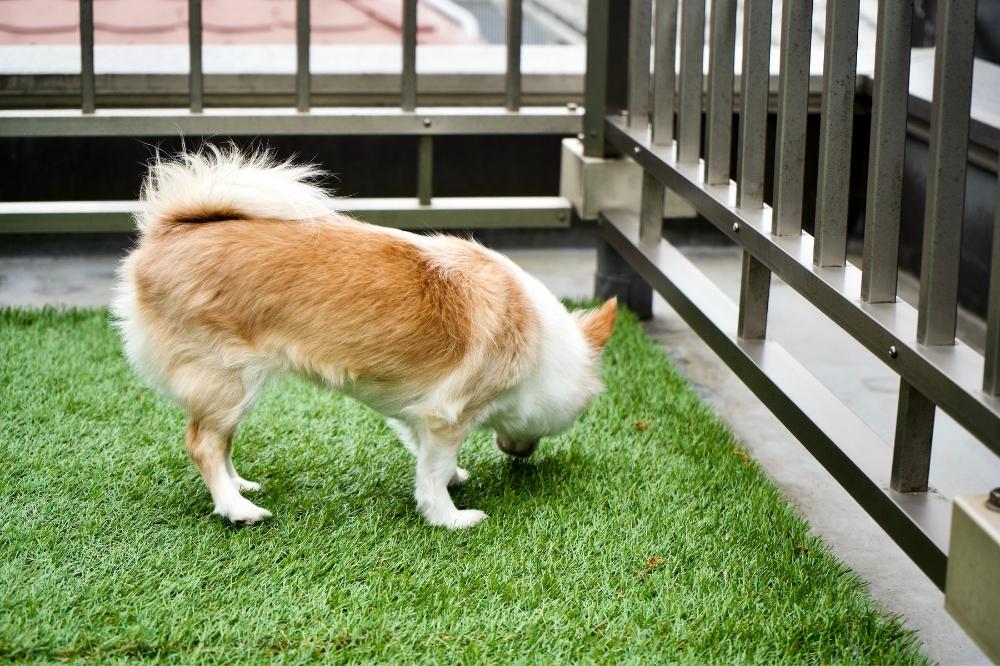
Choosing the right artificial grass for dogs is about more than just appearance. Dogs run, dig, roll, and relieve themselves on the lawn, which means the turf must be durable, hygienic, comfortable, and safe. With so many artificial grass options available, selecting the best one for your dog can feel overwhelming. Understanding what features matter most will help you make the right decision for both your pet and your home.
This guide explains what makes artificial grass dog-friendly, the key factors to consider, and how to choose the best turf for your specific needs.
Why Dog Owners Choose Artificial Grass
Natural grass lawns often struggle to survive in homes with dogs. Constant foot traffic, digging, urine spots, and muddy conditions can quickly ruin a yard. Artificial grass offers a practical alternative that solves many of these common problems.
Artificial turf remains green year-round, requires minimal maintenance, and holds up well against heavy use. It eliminates mud, reduces odors when properly maintained, and provides a consistent surface for dogs to play and relax on. For many pet owners, it creates a cleaner, more manageable outdoor space.
What Makes Artificial Grass Suitable for Dogs?
Not all artificial grass is designed for pets. Dog-friendly turf includes specific features that support hygiene, durability, and comfort.
Strong Drainage System
Drainage is the most important feature when choosing artificial grass for dogs. Quality pet turf includes perforated or fully permeable backing that allows urine and water to drain quickly. Proper drainage prevents puddles, reduces bacteria growth, and minimizes lingering odors.
Durable Construction
Dogs can be tough on surfaces. Artificial grass for dogs must be able to withstand running, scratching, and repeated use without tearing or flattening. High stitch density and strong backing materials help ensure long-term durability.
Comfortable Texture
Artificial grass should feel soft under your dog’s paws while still being tough enough to resist wear. Turf made with quality synthetic fibers provides a natural feel without being abrasive.
Safe, Non-Toxic Materials
Pet-friendly artificial grass is made from non-toxic materials and does not require harmful chemicals for upkeep. This makes it safer than natural lawns that often rely on fertilizers, weed killers, and pesticides.
Key Factors to Consider When Choosing Artificial Grass for Dogs
1. Pile Height
Pile height refers to how tall the grass blades are. For dogs, shorter to medium pile heights work best.
-
Ideal range: 20mm to 30mm
-
Easier to clean and rinse
-
Less likely to trap pet hair and waste
-
More durable under heavy use
Very tall grass may look lush but can be harder to clean and maintain in pet areas.
2. Grass Density and Stitch Rate
Dense artificial grass with a high stitch rate performs better in dog environments. It resists flattening and maintains its shape even in high-traffic zones.
High density also helps prevent dogs from digging through the turf, as the backing remains firm and stable.
3. Material Type
Artificial grass fibers are typically made from polyethylene, polypropylene, or nylon.
-
Polyethylene: Soft, flexible, and comfortable for dogs
-
Polypropylene: Less expensive but not as durable
-
Nylon: Very strong but often too stiff for pet comfort
Polyethylene is generally the best choice for dogs because it balances comfort and durability.
4. Drainage and Backing Design
A well-designed backing system allows liquids to pass through quickly. Look for turf with multiple drainage holes or a fully permeable base.
Good drainage ensures urine does not pool on the surface, making cleaning easier and preventing unpleasant odors.
5. Odor Control Features
Some artificial grass products include built-in antimicrobial or odor-resistant technology. While not required, these features can be helpful in areas where dogs frequently urinate.
Even without antimicrobial treatment, regular rinsing and cleaning will keep turf odor-free if drainage is adequate.
6. UV Resistance
Artificial grass exposed to sunlight should be UV-stabilized. UV protection prevents fading, cracking, and fiber breakdown over time, ensuring the turf remains safe and attractive for years.
7. Heat Management
Artificial grass can become warm in direct sunlight. Choosing lighter-colored turf, providing shade, and occasionally rinsing the surface can help manage heat and keep it comfortable for dogs.
Where to Install Artificial Grass for Dogs
Artificial grass can be used in a variety of spaces, including:
-
Backyards and gardens
-
Dog runs and play areas
-
Patios and decks
-
Balconies and terraces
-
Indoor potty training areas
The best turf choice may vary depending on location. For example, indoor potty areas require excellent drainage and easy cleaning, while outdoor lawns benefit from UV resistance and durability.
Installation Tips for Best Results
Proper installation plays a major role in performance and hygiene.
-
Prepare a level base with good drainage
-
Use a compacted foundation to prevent sinking
-
Secure all edges to prevent lifting or chewing
-
Ensure water flows away naturally from the surface
While small projects can be installed DIY, professional installation is recommended for larger or permanent pet areas.
Maintenance Tips for Dog-Friendly Artificial Grass
Artificial grass requires minimal upkeep compared to natural lawns, but some maintenance is still necessary.
-
Pick up solid waste regularly
-
Rinse the turf weekly to flush urine residue
-
Use pet-safe cleaners when needed
-
Brush fibers occasionally to keep them upright
With basic care, artificial grass can last many years while remaining clean and functional.
Common Mistakes to Avoid
-
Choosing turf without proper drainage
-
Selecting very tall grass for heavy pet use
-
Buying low-quality turf to save money
-
Skipping regular cleaning and rinsing
Avoiding these mistakes helps ensure a safe and long-lasting solution for your dog.
Final Thoughts
Choosing the best artificial grass for dogs requires careful consideration of durability, drainage, comfort, and safety. By focusing on pile height, density, material quality, and proper installation, you can create a clean, reliable outdoor space that works for both you and your pet.
Artificial grass offers a practical, long-term solution for dog owners who want a beautiful lawn without the mess and maintenance of natural grass. When chosen wisely, the right turf can improve hygiene, reduce upkeep, and give your dog a comfortable place to play and relax year-round.

 Arabic
 French
 Spanish
 Portuguese
 Deutsch
 Turkish
 Dutch
Dutch
 Italiano
 Russian
 Romaian
 Portuguese (Brazil)
 Greek
Greek