


From Crisis to Comfort: The Complete Journey of Water Damage Restoration in Washington, DC
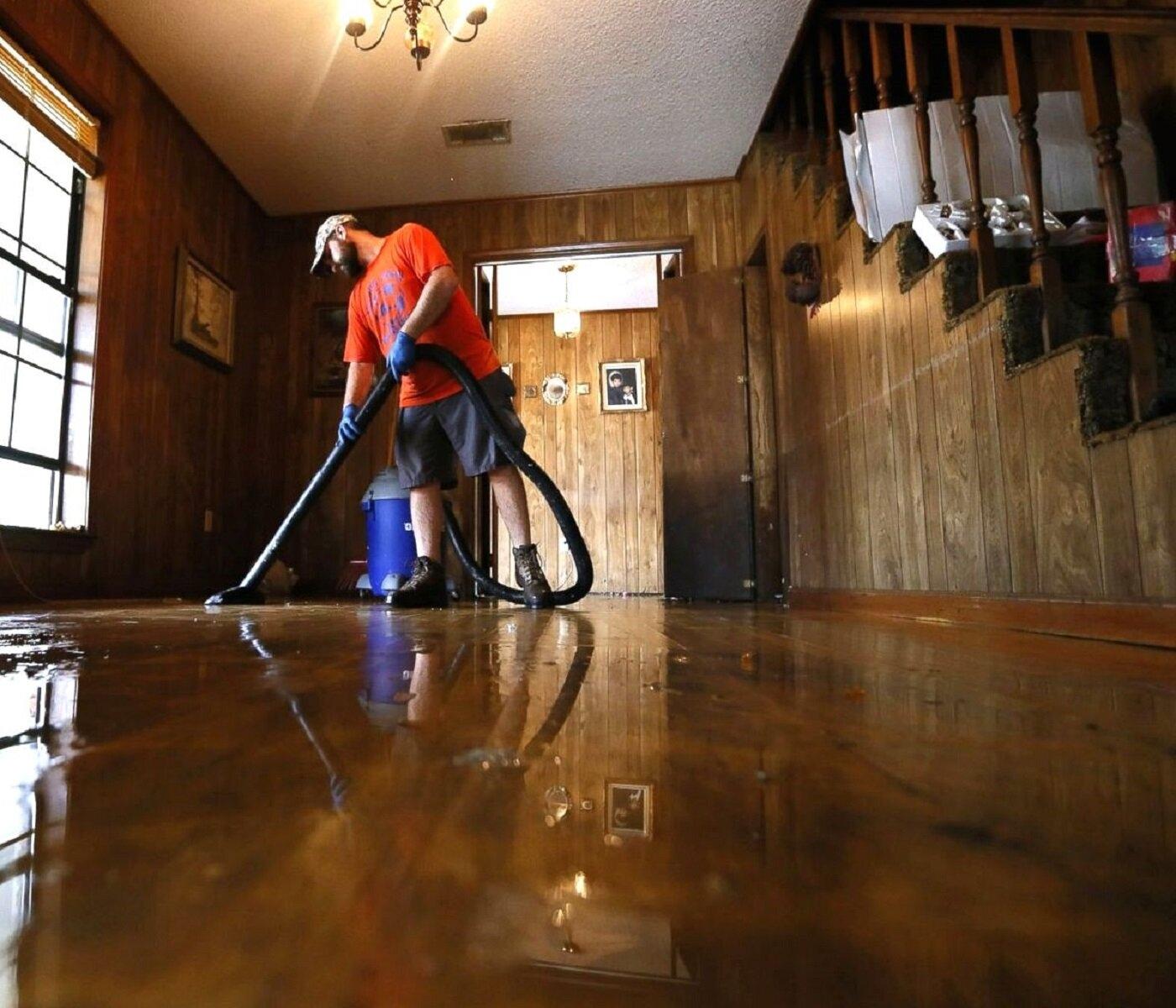
In Washington, DC, water damage is rarely a slow, gentle drip. It’s a burst pipe in a Capitol Hill row house at 2 AM. It’s a torrential downpour overwhelming a basement apartment in Adams Morgan. It’s a sudden malfunction of a decade-old water heater in a Dupont Circle condo. The moment it happens, chaos ensues. But the true challenge, and the path to truly restoring your home, begins in the minutes after the water stops flowing. Navigating this crisis requires more than a wet-dry vacuum; it demands a swift, scientific, and comprehensive response. Understanding the full spectrum of professional water damage restoration services in Washington, DC—from the initial emergency call to the final coat of paint—is crucial for protecting your property, your health, and your peace of mind in a city where both time and real estate are at a premium.
The DC Water Emergency: A Race Against the Clock
Water in an urban environment behaves with relentless purpose. In DC’s historic homes with plaster walls and hardwood floors, or in modern high-rises with complex plumbing stacks, water seeks the path of least resistance. It wicks up drywall, cascades down elevator shafts, and saturates the subfloor beneath your expensive reclaimed wood flooring. The moment water intrudes, three destructive processes begin, each on its own devastating timeline.
Immediate Structural Damage: Water is heavy and destructive. A single gallon weighs over 8 pounds. Hundreds of gallons from a burst supply line can cause ceiling collapses in the unit below. Particleboard cabinets and subflooring begin to swell and disintegrate within hours. This isn't just about soggy carpets; it's about the very framework of your living space losing its integrity.
The 48-Hour Mold Countdown: Washington’s infamous summer humidity provides the perfect partner for water damage. Mold spores, ever-present in the air, need only moisture and organic material (like drywall, wood, or insulation) to colonize. The EPA states that mold growth can begin within 24 to 48 hours. This growth often starts invisibly—inside wall cavities in your Shaw neighborhood home or under the vinyl plank flooring in your Navy Yard apartment. Once established, mold remediation becomes a separate, costly, and health-hazardous project.
Progressive Contamination: Water categories escalate quickly. A clean water supply line break (Category 1) can degrade to gray water (Category 2) as it mixes with soils and residues in your home. Sewage backups from overloaded municipal lines during heavy storms or floodwater from the Potomac or Anacostia tributaries are Category 3 "black water," containing dangerous pathogens and toxins. The longer water sits, the more contaminated and hazardous it becomes.
Attempting to manage this with towels and fans is not just inadequate; it can be counterproductive. Incomplete drying leaves hidden moisture that guarantees future mold and rot, problems that may only surface during a home inspection when you try to sell, leading to devastating financial losses and legal disclosures.
The Professional Restoration Roadmap: A Phased Approach to Recovery
Professional water damage restoration services in Washington, DC follow a structured, industry-standard protocol (like the IICRC S500). It’s a phased battle plan designed to outpace secondary damage and methodically return your property to a pre-loss condition.
Phase 1: The Emergency Response (0-4 Hours)
This is all about damage mitigation. A true 24/7 emergency service will have a crew en route within hours, often sooner.
-
Immediate Action: They stop the water source—shutting off the main, locating the burst pipe, or tarping a damaged roof.
-
Damage Assessment: Using moisture meters, hygrometers, and thermal imaging cameras, technicians become detectives. These tools allow them to "see" moisture inside walls and under floors in your Georgetown home that is completely invisible, creating a precise map of the affected area.
-
Content Protection: They move and block furniture, remove saturated area rugs, and begin extracting standing water with industrial-grade pumps and truck-mounted extractors.
Phase 2: Water Removal & Stabilization (4-48 Hours)
With the source stopped and the extent mapped, the focus shifts to massive water removal and stabilizing the environment.
-
Total Extraction: Powerful equipment removes thousands of gallons of water, far beyond the capability of any rental unit.
-
Strategic Demolition: To save the structure, sometimes you must remove parts of it. Wet, unsalvageable drywall is cut away above the water line ("flood cutting"). Saturated insulation and ruined flooring are removed. This is not destruction; it’s a controlled surgical removal to expose cavities for drying and prevent trapped moisture.
-
Containment Setup: In cases of significant damage or potential mold, professionals will seal off the work area with plastic sheeting to contain dust and spores, protecting the unaffected areas of your home.
Phase 3: Drying, Dehumidification, and Cleaning (1-5 Days)
This is the scientific heart of restoration. The goal is not to be "dry to the touch," but to return the building materials to their standard dry moisture content.
-
Industrial Drying Systems: Professionals deploy a calculated array of equipment:
-
High-Velocity Air Movers create evaporation at the surface of materials.
-
Industrial Dehumidifiers (both refrigerant and desiccant) capture this evaporated moisture from the air, aggressively lowering the humidity to a point where mold cannot grow.
-
-
Monitoring and Documentation: Technicians take daily moisture readings to track progress toward dry goals. This log is crucial for both ensuring a complete dry-out and for providing documented proof to your insurance company.
-
Cleaning and Sanitizing: All affected surfaces and salvageable belongings are cleaned and treated with EPA-registered antimicrobial agents to inhibit microbial growth. Air scrubbers with HEPA filters clean the air of particles, spores, and odors.
Phase 4: Reconstruction and Restoration (1 Week - Several Weeks)
Once the area is certified dry and clean, the rebuild begins. A full-service restoration company manages this seamless transition from disaster to recovery.
-
Rebuilding: This can range from simple drywall replacement and repainting to complex reconstruction of kitchens, bathrooms, and architectural details common in DC's historic districts.
-
Final Walkthrough: The project concludes with a final inspection with the homeowner to ensure complete satisfaction and that the property is returned to its original state.
The Compelling Value of a Full-Service Partner
Choosing a company that handles the entire continuum—from emergency to reconstruction—provides immeasurable benefits for a DC homeowner or business owner.
Single Point of Accountability: You have one project manager, one point of contact, and one company responsible for the entire process. This eliminates the chaos of coordinating between a water extraction crew, a drying company, a mold tester, and a general contractor, saving you immense time and stress.
Comprehensive Insurance Coordination: Restoration companies are experts in insurance claim protocols. They work directly with your adjuster, providing the detailed moisture logs, photos, and legible documentation required for a smooth claims process. They act as your advocate to ensure the full scope of damage is covered, often securing a better outcome than if you were navigating the claim alone.
Guaranteed Health and Safety: Professional drying prevents toxic mold growth. Proper containment during demolition prevents cross-contamination of your living spaces. The use of professional-grade sanitizers and air scrubbers ensures the environment is not just dry, but healthy for your return.
Preservation of Property Value and Historical Integrity: For DC's historic properties, proper restoration is paramount. Professionals understand how to dry old plaster and solid wood without causing further damage and can perform sympathetic reconstructions that preserve architectural character. This protects your significant financial investment and complies with historic preservation guidelines.
Time and Financial Efficiency: While there is an upfront cost, a rapid, professional response prevents exponentially more expensive long-term problems like structural rot, widespread mold remediation, and lost property value. They have the expertise and manpower to complete the job correctly and efficiently, getting you back into your home or business faster.
Choosing Your Restoration Partner in the District
In a crisis, your choice of company is critical. Look for:
-
IICRC Certification: The industry standard for training in water damage restoration.
-
24/7 Local Emergency Response: They should be based in the DMV and able to respond to DC proper swiftly, understanding local building codes and challenges.
-
Full-Service Capabilities: Ensure they offer both the mitigation/drying services and the reconstruction services, providing a true start-to-finish solution.
-
Strong References and Transparency: Check reviews and ask for references. They should be willing to explain their process in clear, understandable terms from the first visit.
Water damage in Washington, DC is a disruptive, stressful event. But it is also a process that can be managed and overcome with expertise. From the first emergency call to the final detail of reconstruction, professional water damage restoration services in Washington, DC provide the roadmap from crisis back to comfort, ensuring your home is not just repaired, but truly restored.

 Arabic
 French
 Spanish
 Portuguese
 Deutsch
 Turkish
 Dutch
Dutch
 Italiano
 Russian
 Romaian
 Portuguese (Brazil)
 Greek
Greek