


How Digital Communication Improves Patient Care
In an increasingly digital world, the healthcare system in Canada is undergoing a major transformation. From online appointment bookings to virtual consultations, the way patients and healthcare providers interact is evolving. Among the most crucial developments is the rise of digital communication tools that enhance not just convenience, but actual patient outcomes. In clinics, hospitals, and even rural community centres, digital platforms are being embraced to streamline communication, reduce delays, and promote better care coordination.
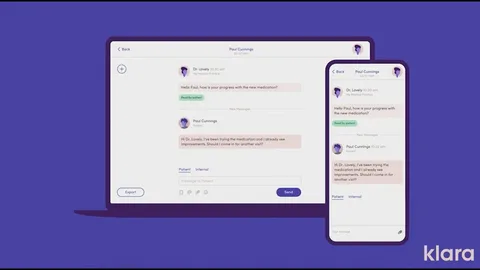
One of the standout innovations has been the use of patient messaging software, which enables secure, real-time communication between patients and their care teams. This tool alone has proven to reduce no-shows, improve medication adherence, and provide timely responses to patient concerns. But it’s just one piece of a broader digital puzzle that’s reshaping Canadian healthcare.
Key Points
- Digital communication tools are improving accessibility, efficiency, and transparency in patient care across Canada.
- Secure messaging platforms are enabling real-time, private conversations between patients and healthcare providers.
- Virtual care technologies are closing geographical gaps, especially in rural and underserved areas.
- Integration of Electronic Medical Records (EMRs) is reducing medical errors and improving patient safety.
- Challenges such as data privacy and digital literacy remain but are being actively addressed by healthcare systems.
Understanding Digital Communication in Healthcare
Digital communication in healthcare refers to the use of technologies such as secure messaging, telehealth, email, patient portals, and mobile apps to facilitate information exchange between patients, providers, and care teams. It enhances the traditional model by making communication more proactive, easier to document, and less time-consuming.
Evolution in Canadian Healthcare
Canada’s healthcare system has traditionally struggled with long wait times and access issues, especially in remote areas. With the digital transformation, patients are now empowered to communicate with their physicians directly, access test results online, and receive follow-up care without unnecessary clinic visits.
Types of Digital Communication Tools
- Secure Messaging: Offers HIPAA-compliant channels for patients to ask questions, request refills, or update their providers.
- Telehealth: Enables video or phone consultations, reducing travel time and improving follow-up care.
- Patient Portals: Provide access to medical records, appointment schedules, lab results, and billing information.
- Automated Appointment Reminders: Reduce no-show rates and increase efficiency.
Advantages of Digital Communication for Patient Care
1. Enhanced Accessibility
Digital communication tools break down barriers for patients with mobility issues, those living in remote communities, or individuals with demanding schedules. With the expansion of broadband and mobile networks across Canada, patients can now consult with healthcare professionals regardless of their location.
2. Improved Timeliness of Care
Digital tools allow for more immediate communication. Instead of waiting days for a follow-up appointment, patients can receive guidance within hours through secure messaging or a virtual visit. This responsiveness is especially critical in managing chronic conditions like diabetes or hypertension where timely adjustments to treatment can prevent complications.
3. Better Continuity and Coordination
Digital platforms enable more seamless sharing of health information among providers. For instance, if a patient sees a specialist, their family doctor can immediately access notes from the consult through integrated systems. This ensures coordination and continuity of care, reducing the risk of duplicate tests or contradictory treatments.
4. Increased Patient Engagement
When patients can easily access their health information and communicate with care teams, they are more likely to take an active role in their health. Studies in Canada have shown that patients using messaging platforms are more likely to follow through with treatment plans and report higher satisfaction rates.
5. Cost Savings and Efficiency
Digital communication reduces unnecessary clinic visits and administrative overhead. Clinics using automated systems for appointment scheduling and follow-ups save staff time and reduce operational costs, while patients benefit from fewer disruptions in their routines.
Use Case: Patient Messaging as a Game Changer
One illustrative example of the benefits of digital communication is the adoption of patient messaging software in primary care clinics. These systems allow patients to send non-urgent messages to their care team, who can respond asynchronously. From medication questions to post-visit clarifications, this mode of communication has been shown to reduce phone traffic, improve documentation, and enhance patient satisfaction.
For clinicians, this means better time management and reduced burnout. For patients, it means increased access and a feeling of being heard, even outside of traditional clinic hours. In provinces like Ontario and British Columbia, such tools are now being integrated directly into electronic health records, providing a seamless workflow.
Digital Communication in Rural and Underserved Areas
One of the most profound impacts of digital communication is in rural and Indigenous communities where access to care can be limited. Telehealth, remote monitoring, and mobile-based messaging allow these populations to receive timely medical guidance without traveling long distances.
In Northern Ontario, virtual mental health services have seen a significant uptake, offering culturally sensitive support and reducing barriers related to stigma and distance. Similarly, nurse practitioners in Saskatchewan use secure platforms to manage chronic care cases in remote towns, improving outcomes and reducing emergency room visits.
Challenges and Considerations
1. Data Privacy and Security
Healthcare data is highly sensitive, and digital communication systems must comply with Canadian standards like PIPEDA (Personal Information Protection and Electronic Documents Act). Clinics must ensure strong encryption, secure login protocols, and regular audits.
2. Digital Literacy
Not all patients are equally comfortable with technology. Seniors, new immigrants, and people with limited education may struggle with patient portals or messaging systems. It’s essential for healthcare providers to offer support, tutorials, and human connection during the digital onboarding process.
3. Infrastructure Gaps
While urban Canada enjoys robust connectivity, some rural or remote locations still face bandwidth challenges. Investments in broadband infrastructure are necessary to ensure equitable access to digital healthcare options.
4. Reimbursement Models
In some provinces, digital consultations and messaging are not reimbursed at the same rate as in-person visits, creating disincentives for providers. Policymakers need to update fee schedules to reflect the modern delivery of care.
Future Outlook
The future of healthcare in Canada will likely be a hybrid model—combining traditional face-to-face care with digital enhancements. As artificial intelligence, machine learning, and predictive analytics are integrated into digital communication platforms, we can expect even more personalized and proactive healthcare interventions.
Meanwhile, regulatory bodies, health authorities, and professional associations continue to develop frameworks and best practices to guide the ethical and effective use of these technologies. The emphasis is on maintaining patient trust while leveraging innovation to deliver better outcomes.
Conclusion
Digital communication is no longer a supplementary tool in Canadian healthcare—it’s becoming a foundational element of patient-centred care. When implemented thoughtfully, these tools improve access, efficiency, and quality of care while respecting the unique needs of a diverse population. As more clinics and health systems adopt and refine these technologies, the focus should remain on equity, privacy, and evidence-based implementation.
Frequently Asked Questions (FAQ)
1. Is digital communication secure for discussing my health information?
Yes. Most digital communication platforms used in healthcare are encrypted and comply with Canadian privacy regulations like PIPEDA. Always use systems endorsed by your healthcare provider and avoid sharing sensitive information over unsecured channels.
2. Do I need any special software to message my doctor?
Not usually. Most modern patient messaging software platforms are web-based or have easy-to-use mobile apps. You’ll likely receive an invitation from your clinic to sign up and access your secure patient portal.
3. What if I’m not good with technology?
Healthcare providers understand that not everyone is tech-savvy. Many offer support through instructional videos, helplines, or in-person guidance during appointments. Family members can also help navigate digital tools if needed.
4. Can I still see my doctor in person?
Absolutely. Digital tools are designed to complement, not replace, in-person care. Your healthcare provider will determine when an in-person visit is necessary and when virtual communication is appropriate.
5. Is there a cost to using digital communication tools?
In most cases, digital communication tools are covered by your healthcare provider or provincial health plan. However, policies may vary, so it’s best to check with your clinic.
6. How does digital communication affect my treatment outcomes?
Studies have shown that patients who engage with digital tools like secure messaging and patient portals experience better treatment adherence, faster response times, and improved satisfaction. These tools support more consistent and coordinated care.

 English
 Arabic
 French
 Spanish
 Deutsch
 Turkish
 Dutch
Dutch
 Italiano
 Russian
 Romaian
 Portuguese (Brazil)
 Greek
Greek