


traditional indian clothing
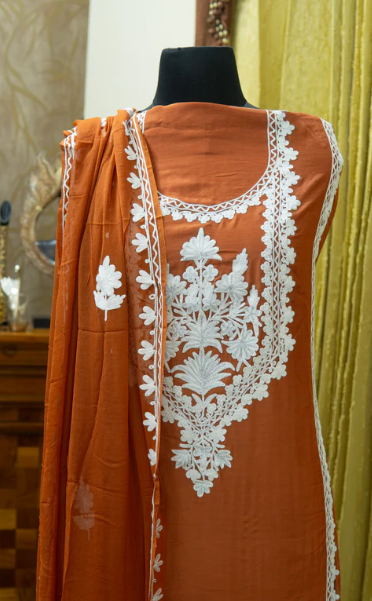
India is a land of diversity, culture, and rich traditions, and its clothing is a true reflection of this heritage. Traditional Indian clothing is more than just attire—it embodies centuries of craftsmanship, regional identity, and cultural values. These garments are worn on festivals, weddings, religious ceremonies, and special occasions, symbolizing elegance, respect for traditions, and artistry.
Women’s Traditional Clothing
Women’s traditional Indian attire is vibrant and varied across regions:
-
Saree – A timeless piece, the saree is draped elegantly around the body and paired with a blouse and petticoat. Fabrics range from silk, cotton, chiffon, and georgette, often enhanced with embroidery, zari work, or handwoven patterns.
-
Lehenga – Popular for weddings and festivals, a lehenga consists of a long skirt, a blouse (choli), and a dupatta. Intricate embroidery, sequins, and traditional prints make it festive and luxurious.
-
Salwar Kameez / Anarkali – Comfortable and versatile, these garments are widely worn across India, combining style with ease of movement.
Each outfit reflects local traditions, cultural influences, and the wearer’s personality.
Men’s Traditional Clothing
Men’s attire is equally rich in diversity and elegance:
-
Kurta-Pajama – A simple yet sophisticated outfit, often worn during festivals or casual events.
-
Sherwani – A long, embroidered coat paired with churidar or pajama, usually worn at weddings or formal occasions.
-
Dhoti – A traditional lower garment, draped elegantly, often paired with a kurta for cultural or religious events.
These garments highlight elegance, comfort, and the cultural significance of ceremonial dressing.
Fabrics, Embroidery, and Craftsmanship
Traditional Indian clothing showcases India’s textile heritage. Fabrics like silk, cotton, chiffon, georgette, and velvet are commonly used. Each region has its own specialty: Banarasi silk from Varanasi, Bandhani from Gujarat and Rajasthan, Chikankari from Lucknow, and Kanjeevaram silk from Tamil Nadu. Embroidery, zari work, handloom patterns, and beadwork bring these garments to life, making every piece a work of art.
Cultural Significance
Traditional attire is closely linked with festivals, rituals, and ceremonies. Colors, patterns, and styles often represent marital status, social standing, or religious beliefs. Wearing traditional clothing is a way to honor heritage, celebrate culture, and pass down craftsmanship through generations.
Modern Adaptations
Contemporary designers blend tradition with modern fashion, creating garments suitable for casual wear, office attire, or global fashion trends. Fusion styles preserve cultural elements while adding innovative cuts, fabrics, and designs, making traditional clothing accessible and stylish for today’s generation.
Conclusion
Traditional Indian clothing is a celebration of India’s history, culture, and artistry. From the elegance of sarees and lehengas to the sophistication of sherwanis and kurtas, these garments combine style, function, and cultural significance. Wearing traditional attire connects individuals to their heritage, showcases craftsmanship, and adds timeless elegance to any occasion.

 English
 Arabic
 Spanish
 Portuguese
 Deutsch
 Turkish
 Dutch
Dutch
 Italiano
 Russian
 Romaian
 Portuguese (Brazil)
 Greek
Greek