


The New Reality of Facebook Advertising Services Under Meta’s AI-First Platform
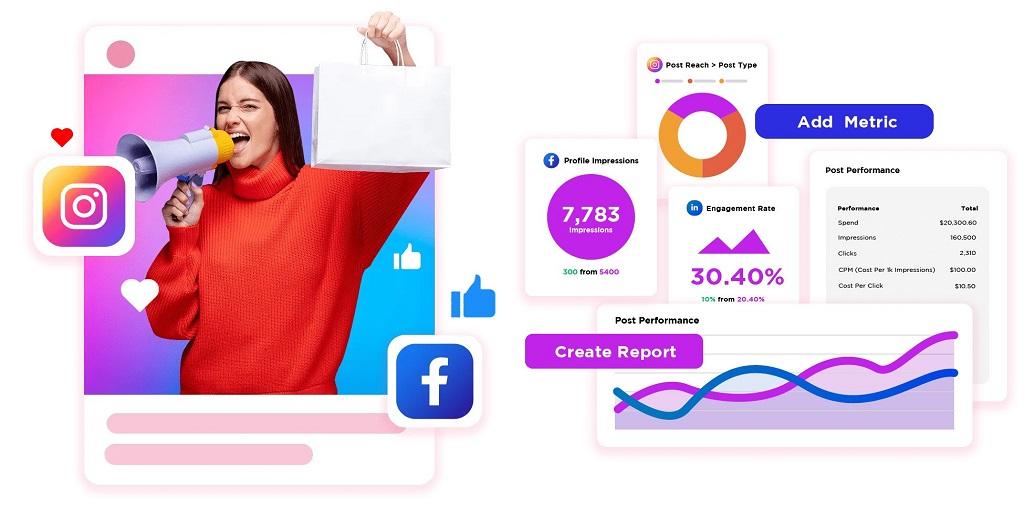
Facebook advertising services are no longer just about picking an audience, setting a budget, and hoping the algorithm cooperates. Meta has shifted advertising services from assistive tools to active AI systems that automatically build, optimize, and reroute campaigns. For brands and eCommerce teams, this changes how ads are planned, monitored, and justified internally.
AI Is No Longer Optional Inside Meta Ads
Meta’s ad platform now centers on automation. Not suggestions. Not nudges. Actual campaign creation and optimization handled by AI-driven systems.
New AI agents and business assistants are designed to automate pieces of sales flow, ad setup, and engagement management. These tools don’t just recommend copy or creative variations. They help assemble end-to-end campaigns and then adjust them continuously based on performance signals.
Advantage+ automation has also become the default logic in Ads Manager. Instead of tightly controlled audience definitions and manual placements, Meta encourages advertisers to let the system decide who sees ads and where they appear. The tradeoff is clear: less setup friction, faster scaling, and broader reach, but also less granular control.
On the lead generation side, Meta has expanded AI-powered tools that blur the line between ads and conversations. Enhanced Instant Forms now allow prospects to message businesses directly through Messenger or WhatsApp. For service-based brands, this compresses the funnel. For advertisers, it demands faster response systems and tighter follow-up processes.
All of this means campaigns can move faster. It also means internal workflows need to change. Teams that treat automation as “set it and forget it” risk losing strategic clarity.
Measurement Is Smarter but Harder to Explain
Meta is introducing two significant updates to its ad platform: the Opportunity Score and changes to Attribution Models.
The Opportunity Score is a 0–100 performance health check that suggests areas for improvement. Advertisers must now decide when to follow Meta's prescriptive advice versus trusting their own business insights.
Meta is moving away from last-click Attribution models to a new hybrid setup. This system combines first-party data with predictive modeling, offering a more accurate, though less simple, view of the modern, cross-device customer journey.
Meta is also rolling out creative fatigue indicators and updated dashboards that surface when ads start losing impact. This is a quiet but essential change. Instead of guessing when performance dips are creative-related, teams get clearer signals—if they know how to read them.
For brands using performance data to justify ad spend, these changes matter. What counts as a “result” is evolving, and so is the language needed to explain it to leadership.
What This Means for Facebook Advertising Services
The role of Facebook advertising services has shifted. It’s no longer just execution. It’s interpretation, governance, and restraint.
Automation handles speed. Strategy handles direction.
Advertisers now need partners who understand when to let Meta’s systems run and when to step in. Broad targeting, AI creative, and Opportunity Scores offer guidance, but each has limits: targeting eventually fails, AI may compromise brand voice, and scores can clash with business realities.
This is where experienced oversight becomes valuable. Not to fight the algorithm, but to translate it into something usable.
Digital marketing agencies that specialize in Facebook advertising services today spend less time building Facebook ad campaigns from scratch and more time shaping inputs, monitoring signal quality, and aligning ad performance with actual business outcomes among potential customers in a target audience.
Reality Check for Facebook Ads in 2026
Meta’s tools are improving. Faster output, more intelligent optimization, and cleaner interfaces are the result. This enhanced system pushes advertisers to do better work. These days, success is less about just getting the tech setup right and more about making smart calls.
Brands require strategic Meta ads expertise, like that offered by 1Digital Agency, to navigate Facebook advertising changes effectively. Adaptation grounded in strategy is key.
For more information about eCommerce PPC Experts and Hire BigCommerce Developers Please visit: 1Digital Agency.

 Arabic
 French
 Spanish
 Portuguese
 Deutsch
 Turkish
 Dutch
Dutch
 Italiano
 Russian
 Romaian
 Portuguese (Brazil)
 Greek
Greek