


Tear Resistance of Plastic Shopping Bags Explained
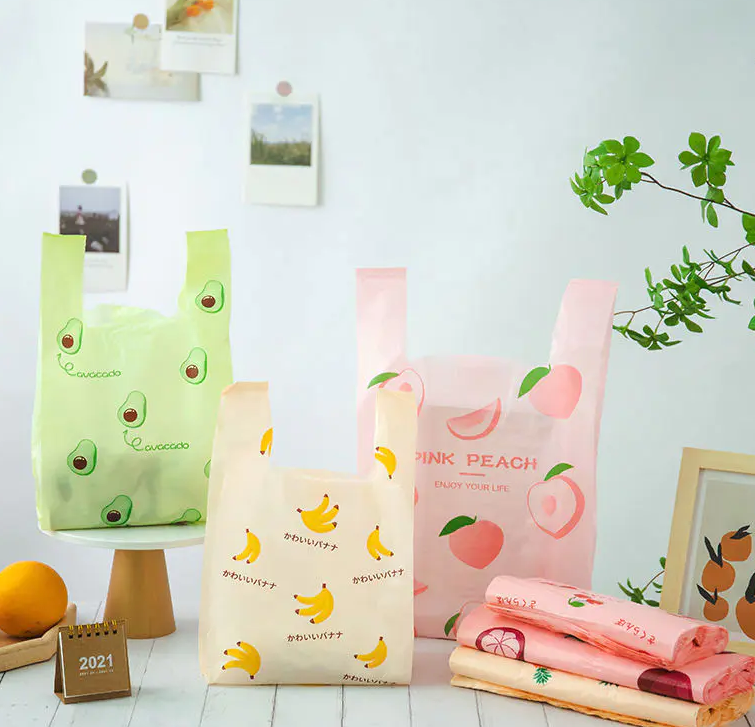
Understanding Plastic Shopping Bag Strength
Plastic Shopping Bags are one of the most widely used packaging materials in retail, supermarkets, and convenience stores. Consumers often judge the quality of a bag based on its ability to hold heavy items without tearing. A Plastic Shopping Bags Factory typically designs bags to balance cost, flexibility, and strength. The material’s tear resistance is crucial for both consumer satisfaction and reducing product loss, especially when carrying groceries, bottled drinks, or irregularly shaped items.
Material Composition and Its Role in Tear Resistance
The tear resistance of plastic shopping bags largely depends on the type of polymer used. High-density polyethylene (HDPE) offers excellent tensile strength and is highly resistant to punctures, making HDPE bags thin yet surprisingly strong. Low-density polyethylene (LDPE), in contrast, is softer and more flexible, which allows the bag to stretch under stress but can be more prone to small tears if overloaded. The choice between HDPE and LDPE directly influences how much weight a bag can safely carry without failure.
Thickness and Manufacturing Process
Bag thickness is another critical factor affecting tear resistance. Thicker plastic sheets generally provide greater strength, but they also increase material costs and reduce flexibility. Plastic shopping bags are typically produced through blown film extrusion or cast film processes, which impact the bag’s structural integrity. A well-calibrated production process ensures uniform thickness, reduces weak points, and improves resistance to stretching, puncturing, and tearing.
Design Considerations
Bag design, including handle type and overall shape, also affects tear resistance. Reinforced handles, gusseted bottoms, and double-layered edges can significantly increase the bag’s ability to hold heavier loads without tearing. Factories often test bag designs under simulated stress conditions to determine maximum weight capacity and identify potential weak spots. Proper design ensures that the bags are not only strong but also functional and user-friendly.
Testing and Quality Assurance
Plastic Shopping Bags Factories perform quality tests to measure tear resistance, tensile strength, and puncture durability. Standardized testing methods, such as ASTM and ISO guidelines, help manufacturers assess bag performance under real-world conditions. Bags with higher tear resistance are less likely to rupture during use, transport, or stacking, enhancing consumer satisfaction and reducing waste.
Choosing Bags for Strength and Reliability
The tear resistance of plastic shopping bags depends on polymer type, thickness, manufacturing process, and design features. HDPE bags provide high strength with minimal material, LDPE offers flexibility but may tear under excessive load, and reinforced designs improve overall durability. Understanding these factors allows retailers and consumers to select bags that meet their needs effectively, ensuring reliability, safety, and practicality in everyday use.
Colour: Various colors and transparent colors
Pattern: Customizable
Width: 20cm-60cm (customisable)
Height:10cm-60cm (customisable)
Thickness: 3 decimillimetre-8 decimillimetre (can be customized)
Material:PE
Process: Die-cutting
Features: Waterproof and moisture-proof, lightweight and portable, easy access to products, can be used repeatedly, etc.
Application: Clothing, cosmetics, stationery, toys, daily necessities, etc.

 Arabic
 French
 Spanish
 Portuguese
 Deutsch
 Turkish
 Dutch
Dutch
 Italiano
 Russian
 Romaian
 Portuguese (Brazil)
 Greek
Greek