


Enhancing Underground Stability: The Critical Role of Rock Bolt and Rock Seal Systems
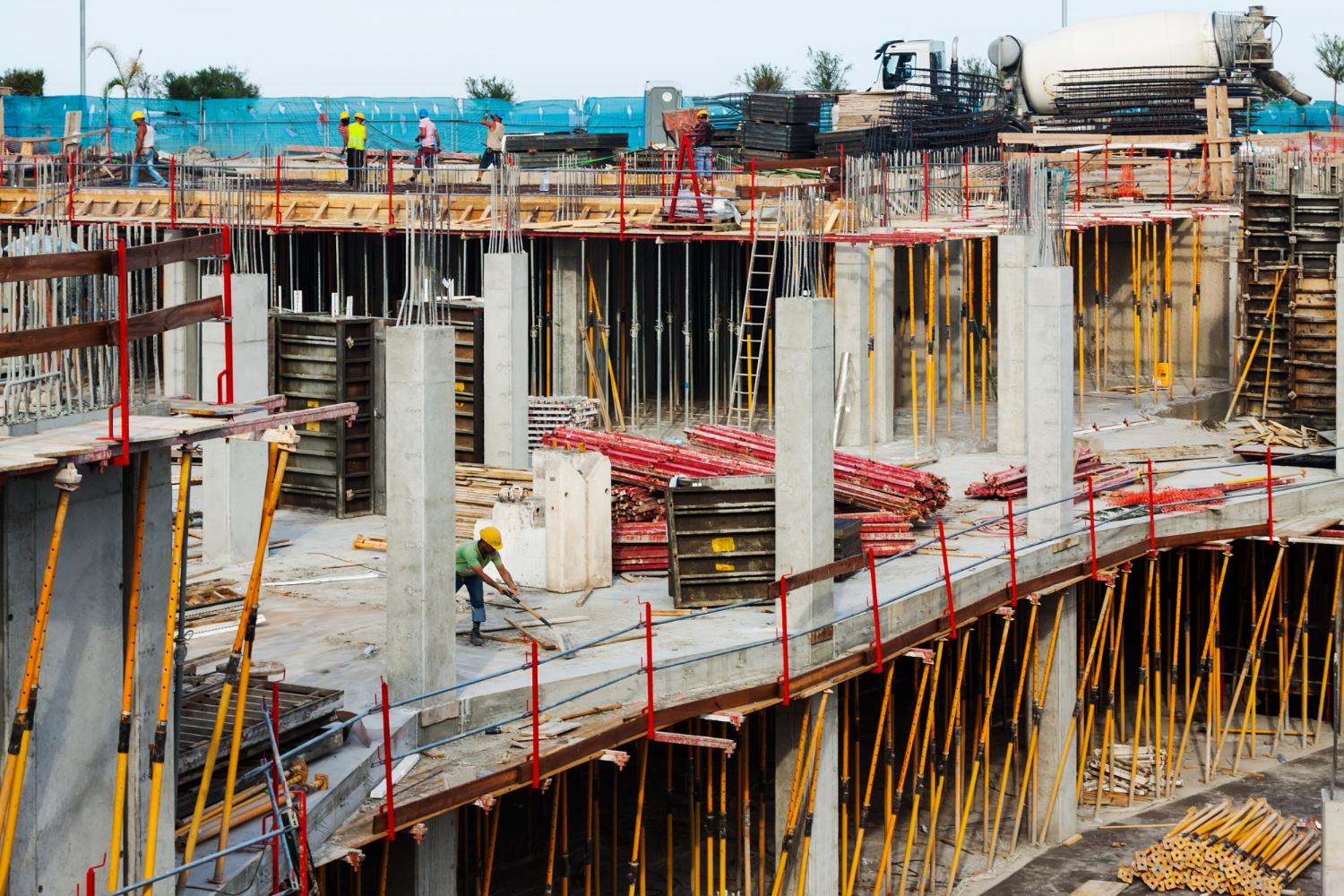
In the world of underground construction and mining, safety, stability, and durability are paramount. Tunnels, shafts, and excavations are subjected to immense stress from surrounding rock masses, groundwater pressure, and seismic activity. Without proper reinforcement, these structures are vulnerable to collapse, rockfalls, and long-term degradation. Among the most effective solutions for reinforcing underground spaces are rock bolt systems and rock seal technologies.
This comprehensive guide explores how these two essential techniques work together to secure underground environments. We will delve into the mechanics of rock bolts, the benefits of rock seal applications, their real-world uses, cost considerations, and best practices. Additionally, case studies will illustrate the tangible advantages of integrating these technologies into modern underground construction projects.
Understanding Rock Bolt Systems
A rock bolt is a long, steel anchor inserted into drilled holes within a rock face to provide support and prevent movement of unstable rock layers. Essentially, it transforms potentially loose rock into a self-supporting mass.
How Rock Bolts Work
When installed, rock bolts are tensioned to compress and stabilize the surrounding rock. This compressive force reduces the risk of fractures widening, rock blocks dislodging, or tunnel walls collapsing. The bond between the rock surface and the bolt is critical, and the addition of grout or resin enhances this connection.
Types of Rock Bolts
-
Mechanical Rock Bolts: Expand inside the drilled hole to lock against the rock, ideal for short-term or temporary support.
-
Grouted Rock Bolts: Secured in place with cementitious or chemical grout, providing long-term stability and resistance to corrosion.
-
Fully-Cemented Cable Bolts: Used for deep-level mines or large-span tunnels, offering high tensile strength and extended anchoring capacity.
The correct selection of rock bolt type depends on rock quality, tunnel depth, environmental conditions, and load-bearing requirements.
The Importance of Rock Seal
While rock bolts provide mechanical reinforcement, rock seal systems protect underground structures against water ingress and chemical degradation. Rock seal is a specialized sealing material that fills cracks, joints, and fissures in rock surfaces, creating a waterproof barrier.
Key Functions of Rock Seal
-
Waterproofing: Prevents water from entering tunnels or shafts, reducing corrosion of steel reinforcement and damage to concrete linings.
-
Structural Protection: By filling fractures, rock seal prevents the progression of cracks and stabilizes minor rock movements.
-
Chemical Resistance: High-quality rock seal formulations resist acidic or mineral-laden water, preserving rock bolt and structural integrity.
-
Enhanced Bonding: In combination with grouted rock bolts, rock seal ensures a continuous interface between reinforcement and surrounding rock.
Without proper sealing, underground constructions are exposed to moisture, which can compromise safety, reduce service life, and increase maintenance costs.
How Rock Bolt and Rock Seal Work Together
The synergy between rock bolts and rock seal is fundamental in creating safe underground environments. Rock bolts anchor unstable rock masses, while rock seal prevents water infiltration and strengthens the surrounding rock.
-
Load Transfer and Compression: Bolts provide tensile reinforcement, converting rock blocks into a cohesive unit.
-
Waterproofing: Rock seal prevents water from weakening grout bonds and steel bolts.
-
Long-Term Stability: Together, these systems extend the life of tunnels and shafts by reducing stress concentrations and corrosion risk.
This integrated approach is widely adopted in mining, civil tunnels, hydroelectric projects, and underground transport systems.
Applications in Mining and Civil Projects
1. Mining Operations
Deep-level mines often encounter fractured rock, high stress, and groundwater challenges. By installing rock bolt systems with complementary rock seal treatment, engineers can secure tunnels, stopes, and shafts effectively. Benefits include reduced rockfall incidents, safer working conditions, and minimal downtime due to structural failures.
2. Transportation Tunnels
Metro systems, highway tunnels, and railway tunnels utilize rock bolts and sealing materials to protect structural integrity. For example, grouted bolts stabilize the roof and walls, while rock seal ensures that water does not penetrate and weaken the concrete lining.
3. Hydroelectric and Water Tunnels
Water tunnels in dams or hydropower plants face high-pressure water infiltration. Sealed, reinforced tunnels prevent leaks, protect steel reinforcements, and reduce maintenance.
4. Civil Excavations and Slope Stabilization
Even in non-mining projects, rock bolts combined with sealing systems provide slope stabilization, retaining wall reinforcement, and underground chamber support. This ensures both safety and longevity in urban development projects.
Advantages of Integrating Rock Bolt and Rock Seal Systems
-
Enhanced Safety: Prevents rockfalls, collapses, and hazardous working conditions underground.
-
Extended Structural Lifespan: Reduced water ingress and corrosion prolong the service life of tunnels and underground facilities.
-
Reduced Maintenance Costs: Proactive stabilization and sealing minimize emergency repairs and downtime.
-
Adaptability: Works across various geologies, tunnel sizes, and environmental conditions.
-
Cost-Effectiveness: While initial investment may be higher, the combination reduces long-term maintenance and safety risks, providing a strong return on investment.
Installation Best Practices
Proper implementation is crucial for the effectiveness of rock bolt and rock seal systems:
-
Geological Assessment: Conduct thorough rock quality and fracture surveys to determine bolt spacing, length, and sealing requirements.
-
Material Selection: Choose high-quality bolts, grouts, and seal materials compatible with the environment (moisture, chemical exposure, temperature).
-
Professional Installation: Skilled contractors ensure correct drilling, grouting, tensioning, and seal application.
-
Monitoring and Maintenance: Implement routine inspections to detect stress changes, grout integrity, or seal failures.
-
Integrated Design: Design reinforcement and sealing systems to complement each other for optimal performance.
Following these practices ensures that underground structures are safe, durable, and compliant with engineering standards.
Case Study: Deep-Level Gold Mine in South Africa
A gold mining project in South Africa faced challenges with fractured rock and groundwater seepage in a deep-level tunnel. Engineers implemented a combined solution using rock bolt systems with rock seal.
Results:
-
Significant reduction in rockfall incidents during operation.
-
Enhanced worker safety with stabilized tunnel walls.
-
Long-term durability, with projections of decades-long service life without major repairs.
-
Cost savings due to reduced emergency maintenance and downtime.
This case demonstrates how integrating reinforcement and sealing solutions effectively mitigates geological and environmental risks.
Innovations in Rock Bolt and Rock Seal Technology
Recent advancements have improved performance, ease of application, and durability:
-
High-Strength Steel Bolts: Provide greater load-bearing capacity in high-stress zones.
-
Pre-Stressed Cable Bolts: Designed for deep mines or large-span tunnels, offering increased tensile strength.
-
Chemical and Cementitious Rock Seals: Modern formulations flow easily into fractures, set rapidly, and resist water and chemical attack.
-
Automated Grouting Systems: Pumps and injectors allow precise application, minimizing waste and ensuring uniform coverage.
These innovations enhance the reliability and efficiency of underground construction projects, ensuring higher safety standards and reduced maintenance needs.
Conclusion: Investing in Underground Safety and Durability
For modern mining and tunneling projects, stability and water protection are non-negotiable. Combining rock bolt systems with rock seal creates a comprehensive reinforcement strategy that secures underground structures, enhances safety, and extends service life.
Investing in high-quality materials, professional installation, and ongoing monitoring ensures that tunnels, shafts, and underground chambers remain safe, durable, and cost-effective. Whether for mining, transportation, hydroelectric projects, or civil excavations, the integration of rock bolt and rock seal technologies is a proven path to long-term success.
Frequently Asked Questions (FAQ)
Q1: What is a rock bolt and why is it important?
A rock bolt is a steel anchor installed into rock to stabilize tunnels and excavations. It prevents rock movement and reduces the risk of collapses.
Q2: How does rock seal work?
Rock seal fills cracks, joints, and fissures in rock surfaces, creating a waterproof barrier that protects bolts, tunnels, and concrete linings from water and chemical damage.
Q3: Can rock bolts and rock seal be used together?
Yes. Rock bolts provide mechanical support, while rock seal protects against water infiltration and enhances bond strength, creating a safer and longer-lasting underground structure.
Q4: Where are these systems commonly used?
They are used in mining tunnels, metro systems, highway tunnels, water tunnels, and slope stabilization projects.
Q5: What are the long-term benefits of using these systems?
They improve safety, reduce maintenance costs, extend structural life, and prevent corrosion or water-related damage.

 English
 Arabic
 French
 Spanish
 Portuguese
 Deutsch
 Turkish
 Dutch
Dutch
 Italiano
 Russian
 Portuguese (Brazil)
 Greek
Greek