


Why Soil Health Consulting Is Essential for Long-Term Crop Success
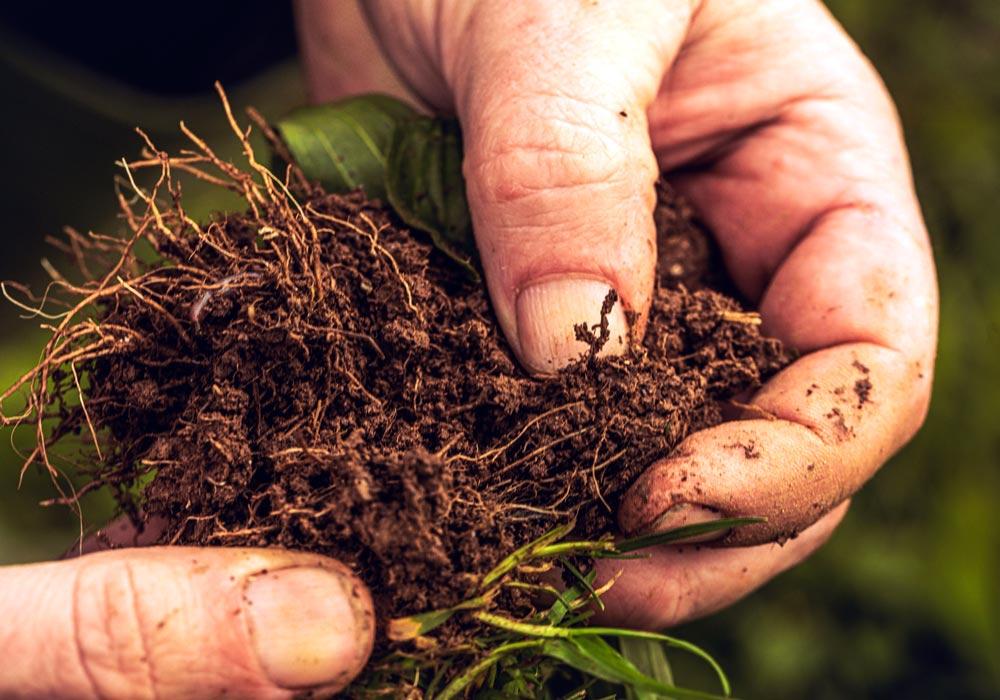
Healthy soil is the backbone of successful agriculture. Without proper soil management, even the most carefully selected seeds and modern farming techniques may fail to produce high yields. Over time, soil can become depleted, compacted, or unbalanced due to repeated planting, chemical use, and natural erosion. This is where soil health consulting becomes essential. By providing expert guidance, farmers and landowners can maintain productive soil, improve crop growth, and ensure long-term agricultural success.
Understanding Soil Health Consulting
Soil health consulting involves professional advice and services aimed at improving soil fertility, structure, and biology. Consultants use their expertise to analyze soil conditions, identify limitations, and recommend solutions tailored to specific crops and land types. This approach goes beyond basic fertilization or irrigation techniques. It focuses on creating a sustainable and balanced soil ecosystem that supports healthy plant growth over time.
A soil health consultant evaluates key factors such as nutrient levels, organic matter, pH balance, soil texture, and microbial activity. They also consider local climate conditions, crop rotation patterns, and past land use. By combining scientific analysis with practical field knowledge, soil health consulting provides a roadmap for improving soil quality and productivity.
Why Long-Term Soil Health Matters
Soil is a living system. Its health directly affects crop yield, quality, and resilience. Poor soil management can lead to nutrient depletion, reduced water retention, and increased susceptibility to pests and diseases. Over time, degraded soil becomes harder to restore, requiring more inputs and effort to maintain crop productivity.
Long-term soil health ensures that crops receive consistent nutrients, water, and support. It enhances root development, promotes microbial activity, and improves soil structure. Healthy soil also increases resilience against droughts, heavy rainfall, and other environmental stresses, reducing the risk of crop loss and maintaining stable farm income.
The Benefits of Soil Health Consulting
-
Accurate Soil Assessment
One of the first steps in soil health consulting is a detailed soil assessment. Consultants take soil samples, test for nutrient content, pH levels, and organic matter, and evaluate soil structure. This data allows farmers to understand the strengths and weaknesses of their soil, rather than relying on guesswork or generic recommendations. -
Customized Fertility Plans
Every farm is different, and one-size-fits-all approaches rarely work. Soil health consulting provides customized plans that match the unique needs of the land and crops. This includes the right type and amount of fertilizers, organic amendments, and crop rotations to maintain nutrient balance and soil fertility. -
Improved Water Management
Healthy soil holds water more effectively, reducing the need for excessive irrigation. Soil health consulting identifies areas prone to waterlogging or drought stress and recommends solutions such as cover crops, mulching, or improved drainage. Proper water management not only supports crop growth but also reduces resource waste and operational costs. -
Enhanced Soil Microbiology
Microorganisms are critical for nutrient cycling and soil fertility. Soil health consulting emphasizes the role of beneficial microbes and fungi in maintaining soil balance. Consultants may recommend practices such as compost application, reduced tillage, or microbial inoculants to enhance soil biology and create a thriving underground ecosystem. -
Reduced Chemical Dependence
Overuse of chemical fertilizers and pesticides can harm soil health over time. Soil health consulting encourages sustainable practices that reduce dependency on synthetic chemicals. By improving soil biology and nutrient cycling, farms can maintain productivity while minimizing environmental impact. -
Long-Term Sustainability
Perhaps the most important benefit of soil health consulting is long-term sustainability. A well-managed soil system continues to produce healthy crops for years, reducing the need for costly interventions and helping farms remain productive across generations. Sustainable soil management also supports environmental goals such as carbon sequestration and reduced erosion.
Implementing Soil Health Practices
Soil health consulting often involves introducing practices that may be new to the farm. These include cover cropping, crop rotation, organic amendments, minimum tillage, and erosion control measures. Consultants provide training and guidance on how to implement these practices effectively, ensuring that they fit into daily farm operations.
Over time, these practices build resilience into the soil. Cover crops, for example, protect soil from erosion, improve organic matter, and support beneficial microbes. Crop rotation prevents nutrient depletion and reduces disease pressure. By following expert recommendations, farmers create a cycle of soil improvement that benefits crops year after year.
Economic Advantages
Investing in soil health consulting can lead to significant economic benefits. Healthy soil increases crop yields and reduces the need for expensive fertilizers, pesticides, and irrigation. It also reduces crop losses due to drought, pests, or diseases. Over time, the return on investment from soil health consulting far outweighs the initial cost of hiring a consultant or implementing recommended practices.
Supporting Environmental Goals
Healthy soil also contributes to environmental sustainability. Practices recommended through soil health consulting, such as compost application and reduced chemical use, help prevent nutrient runoff into waterways, reduce greenhouse gas emissions, and maintain biodiversity. By improving soil health, farms play an active role in protecting ecosystems and promoting sustainable agriculture.
Conclusion
Long-term crop success depends on healthy, balanced soil. Soil health consulting provides the knowledge, guidance, and strategies necessary to maintain and improve soil fertility, structure, and biology. By implementing expert recommendations, farmers can enhance crop yields, reduce input costs, and create a sustainable farming system that supports both productivity and environmental stewardship.
For farmers and landowners seeking consistent, long-term success, soil health consulting is not just a tool—it is an essential investment in the future of their land and crops.

 English
 Arabic
 French
 Spanish
 Portuguese
 Deutsch
 Turkish
 Italiano
 Russian
 Romaian
 Portuguese (Brazil)
 Greek
Greek