


How Feeding Supplies Transform Home Healthcare Care
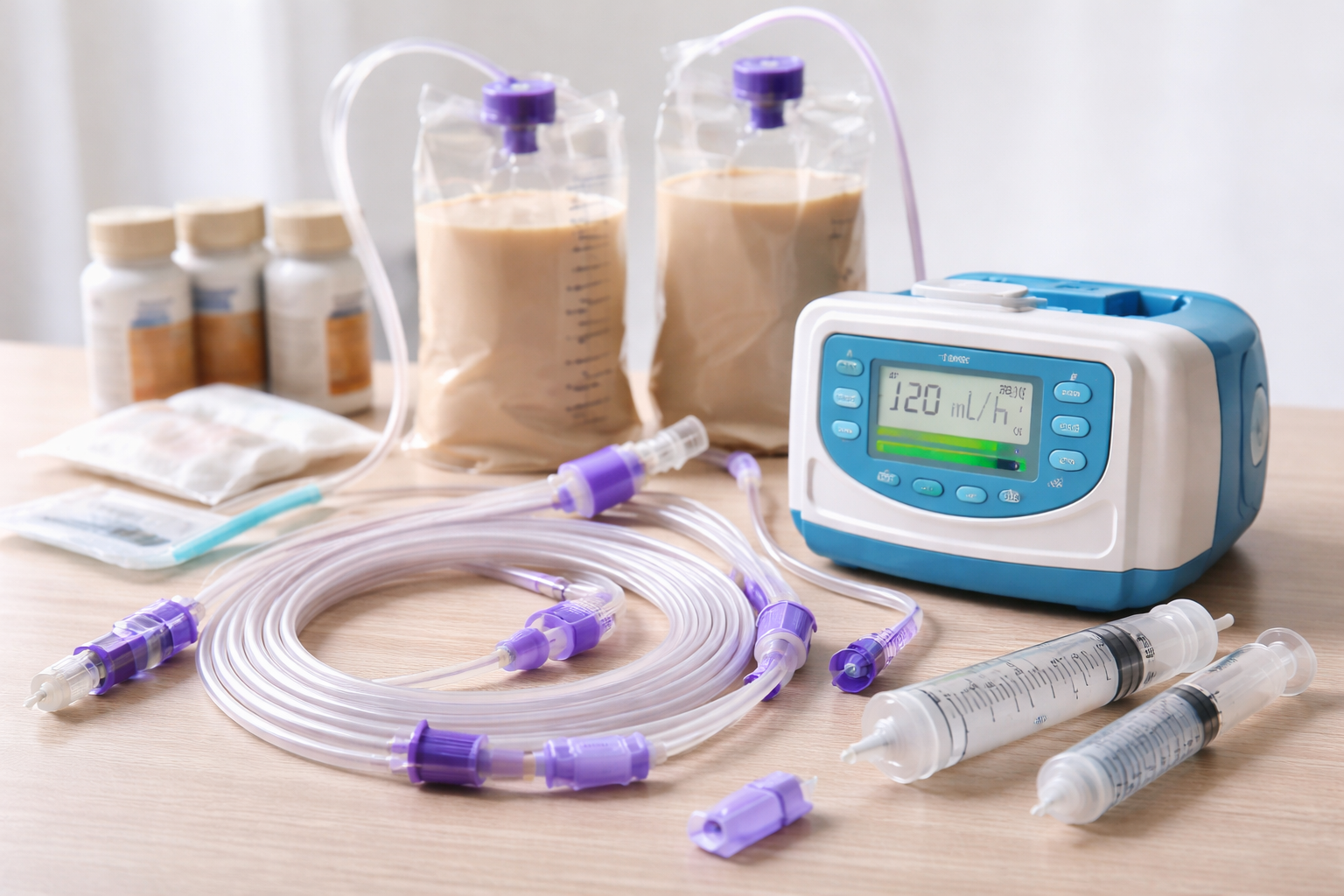
Home healthcare has evolved significantly over the past decade. Today, patients with long-term medical conditions no longer need to remain in hospitals for extended periods. With the help of advanced feeding supplies, individuals can safely receive essential nutrition in the comfort of their homes. This transformation is improving patient comfort, reducing medical costs, and giving caregivers better control over daily care routines.
For families managing chronic conditions, feeding equipment has become a lifeline that supports recovery, independence, and overall well-being.
The Shift Toward Home-Based Care
Healthcare systems are increasingly focused on home treatment. Hospitals aim to shorten inpatient stays while maintaining quality care. As a result, more patients depend on home medical equipment, especially those who cannot consume food normally.
Patients with neurological disorders, cancer, stroke complications, or digestive conditions often require enteral nutrition. Reliable feeding supplies make it possible to continue this care safely outside a hospital.
What Are Feeding Supplies?
Feeding supplies are medical tools used in enteral feeding therapy. They help deliver liquid nutrition directly into the stomach or intestine through a feeding tube.
Common items include:
-
Enteral feeding pumps
-
Feeding tubes
-
Feeding bags
-
Administration sets
-
Syringes for flushing
-
Tube connectors and accessories
These supplies work together to ensure patients receive accurate and consistent nutrition.
How Feeding Supplies Improve Patient Care
1. Accurate Nutritional Delivery
Modern feeding pumps regulate the flow of formula precisely, ensuring patients receive the right amount of nutrition at the correct speed.
2. Enhanced Patient Comfort
New materials used in tubes and accessories reduce irritation, making long-term feeding more comfortable.
3. Greater Independence
Portable feeding pumps allow patients to move more freely, improving their quality of life.
4. Reduced Hospital Visits
Proper use of feeding supplies lowers complications, decreasing the need for emergency hospital visits.
Benefits for Caregivers
Caregivers play a vital role in home healthcare. Advanced feeding equipment simplifies their responsibilities.
Easy Operation
Modern devices have clear displays and alarms, making them user-friendly.
Better Monitoring
Consistent flow rates help caregivers track nutrition intake accurately.
Improved Hygiene
Disposable and sterile components reduce infection risks.
Time Efficiency
Reliable equipment streamlines feeding routines.
Technology Driving the Transformation
Innovations in medical technology are shaping the future of home feeding.
-
Smart pumps with programmable settings
-
Lightweight and portable designs
-
Anti-clog tubing systems
-
Improved infection-control materials
These advancements make feeding supplies safer and more effective than ever.
Common Challenges in Home Feeding
Despite the benefits, caregivers may encounter difficulties.
-
Learning equipment usage
-
Maintaining cleanliness
-
Scheduling feedings
-
Monitoring for complications
-
Managing supply inventory
Having dependable supplies and proper guidance reduces these concerns significantly.
Choosing the Right Feeding Supplies
Selecting the correct products is crucial for safe home care.
Medical Compatibility
Ensure supplies match prescribed tubes and pumps.
Quality Standards
Use clinically approved equipment to minimize risks.
Ease of Use
Simple connectors and clear markings prevent mistakes.
Reliable Access
Consistent availability ensures uninterrupted care.
The Future of Home Nutrition Support
The demand for feeding supplies will continue to grow as healthcare focuses more on patient-centered, home-based treatment. We can expect smarter devices, improved safety features, and better caregiver education resources.
This progress will help patients live more comfortably while receiving essential nutrition outside traditional healthcare facilities.
FAQs
1. What are feeding supplies used for?
Feeding supplies deliver liquid nutrition directly to patients unable to eat normally, ensuring safe, accurate, and consistent nutritional support.
2. Who needs feeding supplies at home?
Patients with swallowing issues, neurological conditions, cancer recovery, or digestive disorders often rely on feeding equipment for nutrition.
3. Are feeding supplies safe for long-term use?
Yes, when used correctly and cleaned properly, feeding equipment is designed for safe, long-term nutritional therapy at home.
4. How do feeding pumps help caregivers?
Pumps regulate formula flow automatically, reduce errors, provide alarms, and make feeding routines more manageable and less stressful.
5. Why are feeding supplies important in home healthcare?
They allow patients to receive essential nutrition safely at home, reducing hospital stays and improving comfort, independence, and care quality.
Conclusion
Feeding supplies are transforming home healthcare by enabling safe, efficient, and comfortable nutritional support for long-term patients. They reduce hospital dependence, empower caregivers, and improve overall patient well-being. As medical technology advances, home enteral feeding will become even more reliable and accessible, supporting better outcomes and quality of life — all care store.

 English
 Arabic
 French
 Spanish
 Portuguese
 Deutsch
 Dutch
Dutch
 Italiano
 Russian
 Romaian
 Portuguese (Brazil)
 Greek
Greek