


Comme des Garçons The Avant-Garde Fashion Revolution

In the world of high fashion, few brands have managed to redefine creativity and originality quite like Comme des Garçons. Known for its experimental designs, unconventional silhouettes, and bold artistic statements, the brand has become one of the most influential fashion houses in modern history. Founded by visionary designer Rei Kawakubo in 1969, Comme des Garçons has transformed the way people think about clothing, fashion shows, and artistic expression. Rather than following traditional trends, the brand consistently challenges expectations and pushes the boundaries of design.
The Origins of a Revolutionary Brand
Comme des Garçons, which translates to “like the boys” in French, was established in Tokyo, Japan. Rei Kawakubo, who had no formal training in fashion design, approached clothing from a completely unique perspective. Her early collections focused on monochrome palettes, asymmetrical shapes, and deconstructed garments that broke away from conventional ideas of beauty.
In 1981, the brand made its debut at Paris Fashion Week. The show shocked audiences with its dark colors, distressed fabrics, and unconventional silhouettes. Critics initially described the collection as “anti-fashion,” but it quickly gained attention for its artistic brilliance. What seemed controversial at first eventually became groundbreaking, marking the beginning of Comme des Garçons’ global influence.
The Philosophy Behind the Designs
At the heart of Comme des Garçons lies a powerful philosophy: fashion should be a form of art and self-expression rather than mere decoration. Rei Kawakubo’s designs often challenge traditional standards of beauty, symmetry, and gender. Many pieces feature exaggerated shapes, irregular structures, and layered fabrics that create dramatic visual effects.
This approach encourages people to see clothing as more than just something to wear—it becomes a medium for storytelling and creativity. Each collection tells a different story, exploring themes such as identity, imperfection, rebellion, and individuality. Kawakubo once explained that she designs clothing that “creates something that didn’t exist before,” a statement that perfectly captures the brand’s innovative spirit.
Iconic Collections and Runway Moments
Over the decades, Comme des Garçons Jacket has produced some of the most memorable collections in fashion history. Many runway shows are known for their theatrical presentation and conceptual themes. Instead of simply showcasing clothing, the brand creates immersive experiences that blur the line between fashion and art.
One of the most iconic presentations came during the Met Gala 2017 exhibition dedicated to Rei Kawakubo’s work. The exhibition celebrated her extraordinary contributions to fashion and highlighted how her designs challenged traditional aesthetics. It was only the second time the museum honored a living designer with a solo exhibition.
Another notable aspect of the brand is its ability to evolve. From sculptural dresses to oversized coats and experimental tailoring, every collection reveals new ideas and fresh perspectives.
The Popularity of the PLAY Line
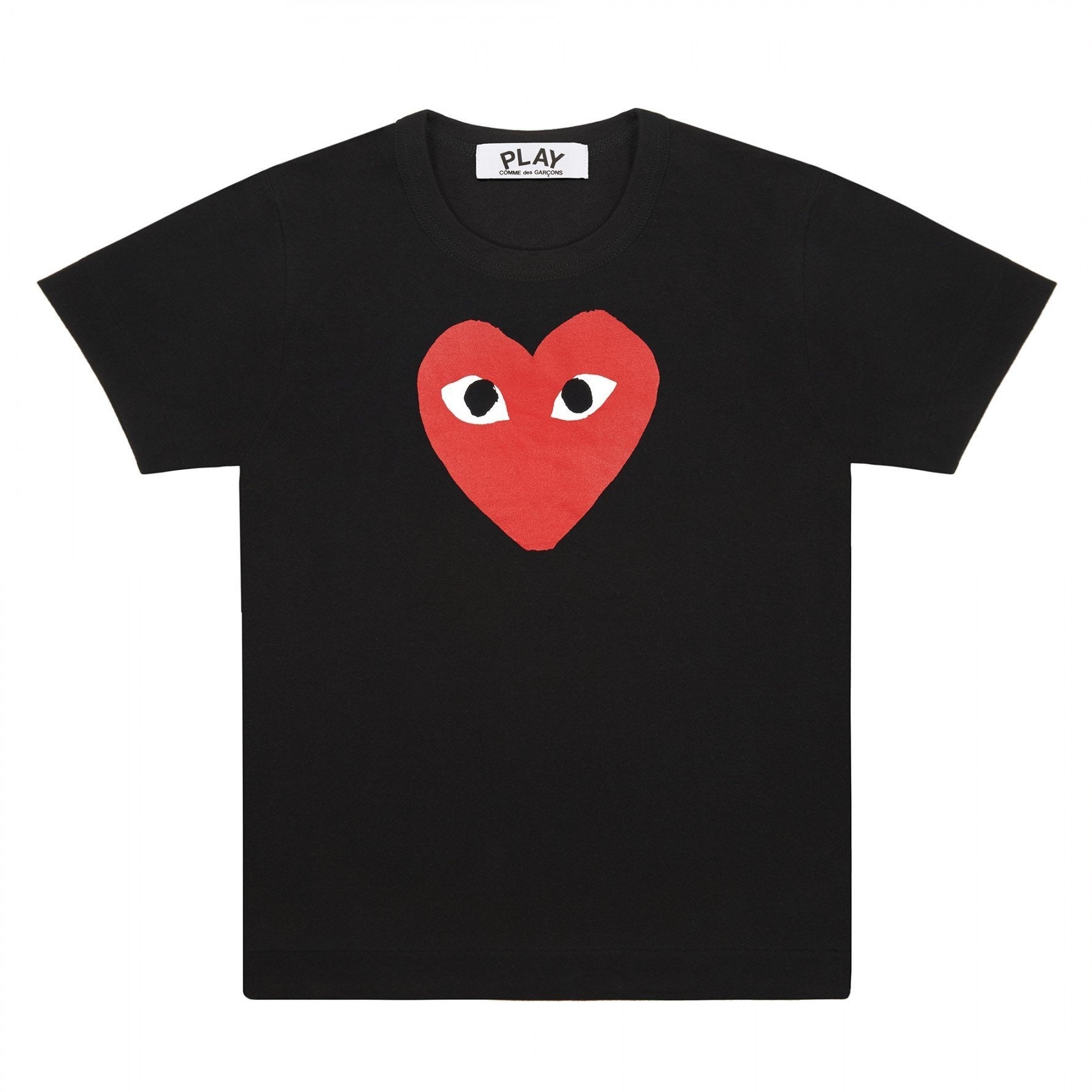
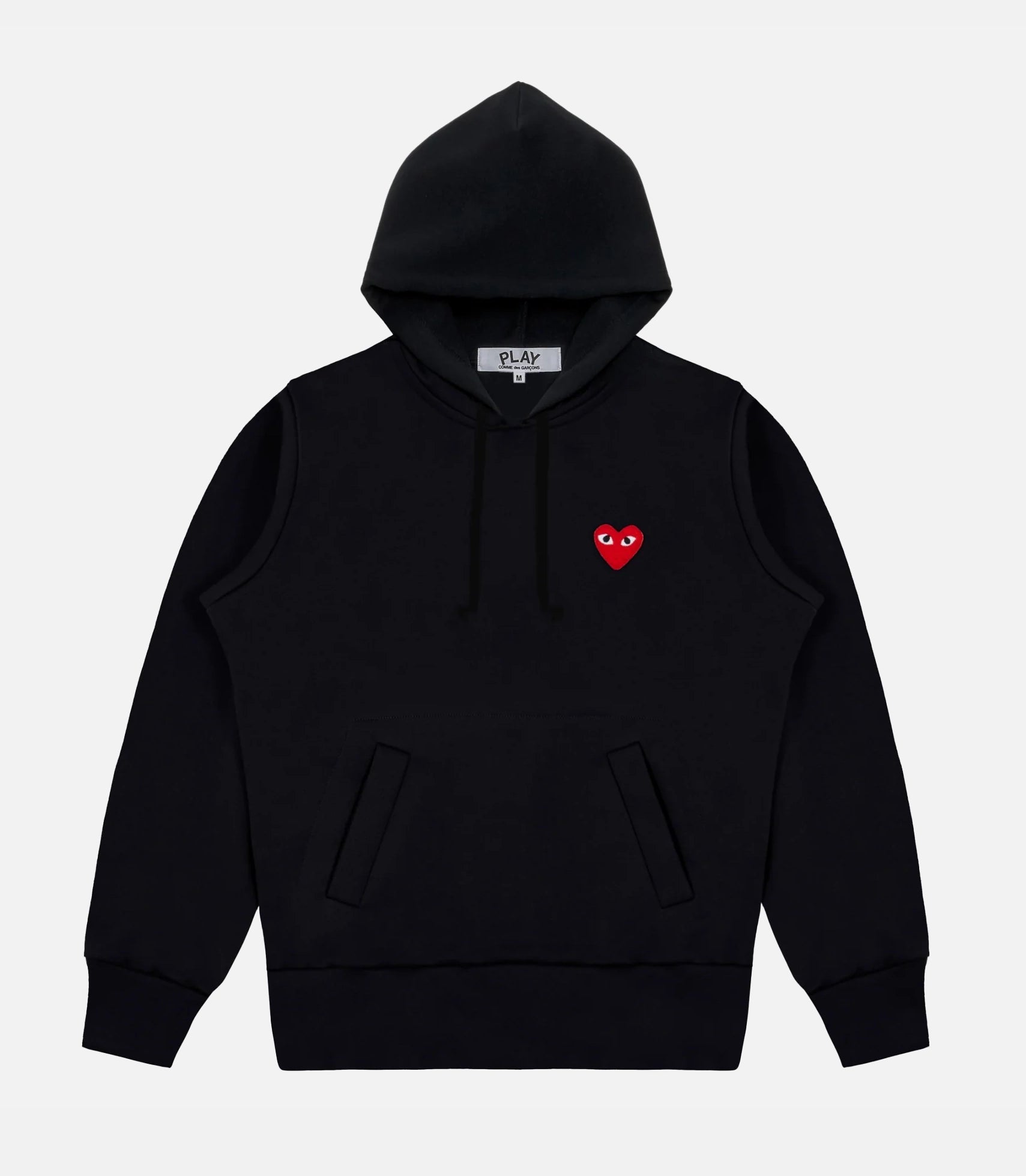

While the main Comme des Garçons collections are highly conceptual, the brand also introduced a more accessible line known as Comme des Garçons PLAY. Recognized by its famous heart logo with eyes, designed by Polish artist Filip Pagowski, the PLAY line quickly became a global favorite.
The collection includes T-shirts, hoodies, sweaters, and sneakers that combine minimalist design with playful branding. These pieces are widely loved by streetwear enthusiasts and fashion lovers alike. Collaborations with brands like Converse have further increased the line’s popularity, especially among younger audiences.
Influence on Global Fashion
Comme des Garçons has had an enormous impact on the global fashion industry. Many designers credit Rei Kawakubo with inspiring them to think beyond traditional design rules. Her work has influenced numerous fashion houses and emerging designers who seek to challenge norms and explore new creative directions.
The brand has also launched several sub-labels and collaborative projects, each exploring a different aesthetic. These include experimental lines, luxury collections, and streetwear-inspired designs that appeal to diverse audiences.
Additionally, Comme des Garçons has built a unique retail concept through its famous “Dover Street Market” stores, which combine fashion, art, and culture into a single creative environment. These stores are known for their ever-changing installations and curated selections of cutting-edge designers.
A Legacy of Innovation
More than five decades after its creation, Comme des Garçons Hoodie remains one of the most innovative forces in fashion. The brand continues to surprise audiences with daring collections and thought-provoking designs that challenge the boundaries of style.
Rei Kawakubo’s fearless creativity has inspired generations of designers and fashion enthusiasts around the world. By rejecting conventional rules and embracing experimentation, she has proven that fashion can be both artistic and revolutionary.
Conclusion
Comme des Garçons is not just a fashion brand—it is a creative movement that celebrates individuality, imagination, and bold expression. From its avant-garde runway collections to the globally popular PLAY line, the brand has consistently pushed the limits of design.
With its unique philosophy and fearless approach to fashion, Comme des Garçons continues to shape the future of style. It reminds us that clothing can be more than fabric and stitching; it can be a powerful form of art that reflects culture, identity, and innovation.

 Arabic
 French
 Spanish
 Portuguese
 Deutsch
 Turkish
 Dutch
Dutch
 Italiano
 Russian
 Romaian
 Portuguese (Brazil)
 Greek
Greek