


What Are the Trends in Brazil's Vehicle Recycling Market?
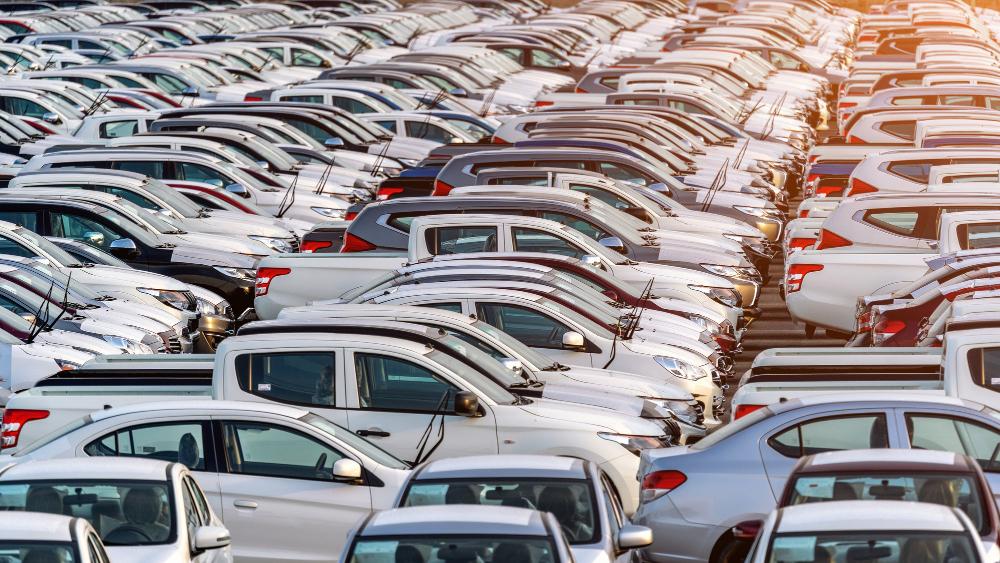
The Brazil Vehicle Recycling Market is emerging as a critical component of the country’s transition toward sustainable industrial practices and circular economy models. With Brazil being one of the largest automotive markets in Latin America, the volume of end-of-life vehicles (ELVs) is steadily increasing, creating both environmental challenges and economic opportunities. Vehicle recycling involves dismantling old or damaged vehicles to recover valuable materials such as metals, plastics, rubber, and glass for reuse in manufacturing.
According to industry insights, the market reached approximately USD 2,012.91 Million in 2024 and is projected to grow significantly to over USD 6,217.53 Million by 2033, exhibiting a strong CAGR of around 13.35%. This rapid growth reflects a combination of regulatory support, technological advancements, and rising awareness regarding sustainable waste management. As Brazil strengthens its environmental policies and embraces green mobility, vehicle recycling is becoming an essential pillar of the automotive value chain.
Key Trends Shaping the Brazil Vehicle Recycling Market
Government Regulations and Circular Economy Initiatives
One of the most influential trends in the Brazil Vehicle Recycling Market is the strong push from government policies promoting sustainability. Regulatory frameworks such as tax incentives for recycling initiatives and the introduction of circular economy principles are transforming the industry landscape. Recent policies allow tax deductions for investments in recycling infrastructure, encouraging both private and public sector participation.
These initiatives are not only reducing environmental impact but also formalizing the recycling ecosystem, shifting it from informal practices to structured and compliant operations.
Implementation of the MOVER Program
The introduction of the Green Mobility and Innovation Program (MOVER) is another major trend reshaping the market. This program integrates recyclability standards directly into vehicle manufacturing and promotes environmentally friendly production processes. It also provides significant financial incentives for automakers investing in sustainable technologies.
By enforcing lifecycle carbon assessments and recyclability benchmarks, the MOVER program is encouraging manufacturers to design vehicles that are easier to dismantle and recycle, thereby strengthening the entire recycling value chain.
Rising Adoption of Electric Vehicles (EVs)
The growing penetration of electric vehicles in Brazil is creating new opportunities and challenges in the recycling sector. Unlike traditional vehicles, EVs require specialized recycling processes, particularly for lithium-ion batteries and electronic components.
This shift is driving investments in advanced recycling technologies and infrastructure to safely recover valuable materials such as lithium, cobalt, and nickel. As EV adoption accelerates, battery recycling is expected to become a key subsegment within the Brazil Vehicle Recycling Market.
Technological Advancements in Recycling Processes
Modern recycling technologies are significantly improving efficiency and material recovery rates. Advanced techniques such as automated dismantling, optical sorting, and eddy current separation are enabling recyclers to extract higher-value materials with minimal waste.
Additionally, innovations are reducing the amount of automotive shredder residue (ASR) sent to landfills, supporting the goal of zero-waste recycling. These advancements are enhancing profitability while aligning with environmental regulations.
Increasing Environmental Awareness and Sustainability Goals
Environmental consciousness among consumers, automakers, and policymakers is another driving trend. The demand for eco-friendly materials and sustainable manufacturing practices is pushing companies to incorporate recycled materials into vehicle production.
Recycling metals such as steel and aluminum significantly reduces energy consumption and greenhouse gas emissions compared to primary production. This environmental benefit is encouraging broader adoption of recycling practices across the automotive sector.
Expansion of Organized Recycling Infrastructure
Brazil is witnessing a transition from informal recycling systems to organized and licensed facilities. Investments in modern recycling plants and dismantling centers are improving efficiency, compliance, and scalability.
For instance, leading automakers are establishing dedicated vehicle disassembly centers capable of processing thousands of vehicles annually, contributing to emissions reduction and resource conservation.
This shift is enhancing transparency and attracting more stakeholders into the formal recycling ecosystem.
Market Segmentation of the Brazil Vehicle Recycling Market
A detailed understanding of market segmentation provides insights into the structural composition and growth areas within the industry.
By Type
- Passenger Cars Recycling
- Commercial Vehicles Recycling
Passenger cars dominate the segment due to their higher volume and shorter lifecycle, while commercial vehicle recycling is gaining traction with increased logistics and infrastructure development.
By Material
- Iron
- Aluminium
- Steel
- Rubber
- Copper
- Glass
- Plastic
- Others
Steel and iron hold the largest share due to their high recyclability and widespread use in vehicle manufacturing. Meanwhile, plastics and rubber recycling are gaining importance due to environmental concerns.
By Application
- OEMs (Original Equipment Manufacturers)
- Aftermarket
The aftermarket segment plays a crucial role by enabling the reuse of components, reducing costs, and extending vehicle lifespan.
By Region
- Southeast
- South
- Northeast
- North
- Central-West
The Southeast region leads the market due to its strong industrial base and high vehicle density, followed by the South region.
Challenges in the Brazil Vehicle Recycling Market
Despite strong growth prospects, the market faces several challenges:
Informal Recycling Sector
A significant portion of vehicle recycling still occurs in the informal sector, leading to inefficiencies and environmental risks.
High Initial Investment
Setting up advanced recycling facilities requires substantial capital investment, which may limit entry for smaller players.
Complex EV Recycling Processes
Recycling EV batteries involves technical complexities and safety concerns, requiring specialized infrastructure and expertise.
Opportunities and Future Outlook
The future of the Brazil Vehicle Recycling Market appears highly promising, driven by:
- Increasing vehicle ownership and ELV generation
- Expansion of EV infrastructure and battery recycling
- Strengthening environmental regulations
- Growing demand for recycled automotive materials
As Brazil continues to align with global sustainability trends, the market is expected to witness robust innovation and investment. The integration of digital technologies, automation, and AI-driven sorting systems will further enhance operational efficiency and profitability.
Conclusion
The Brazil Vehicle Recycling Market is undergoing a transformative phase characterized by regulatory support, technological advancements, and evolving consumer awareness. With strong growth projections and increasing emphasis on sustainability, the market is set to become a vital component of Brazil’s green economy.
From the adoption of circular economy principles to the rise of EV recycling, the industry is expanding beyond traditional scrap processing into a sophisticated and high-value ecosystem. Companies that invest in advanced technologies and align with regulatory frameworks will be well-positioned to capitalize on emerging opportunities in this dynamic market.

 Arabic
 French
 Spanish
 Portuguese
 Deutsch
 Turkish
 Dutch
Dutch
 Italiano
 Russian
 Romaian
 Portuguese (Brazil)
 Greek
Greek