


How Video Conferencing Transforms Client Communication
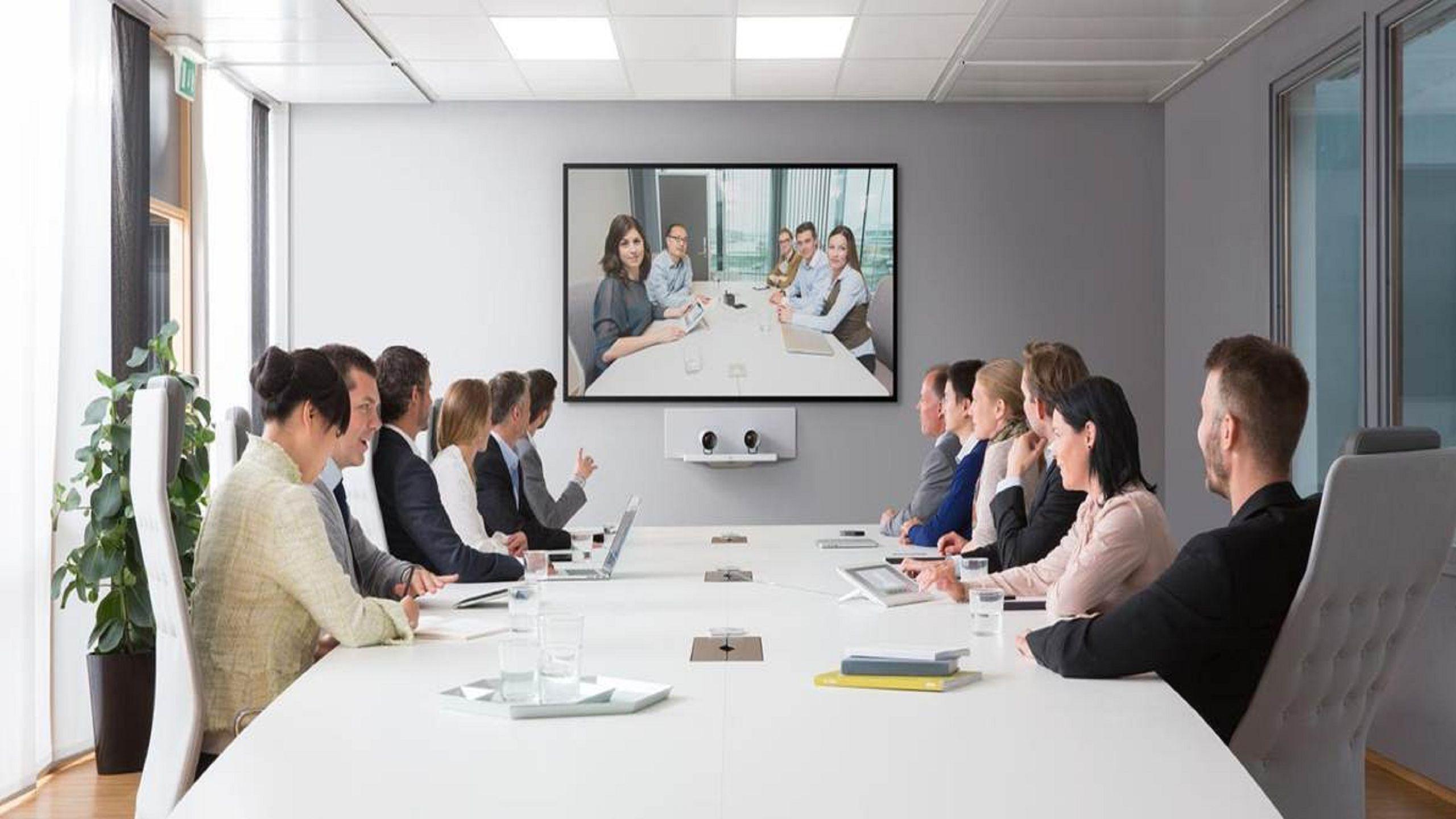
Remember when meeting with clients meant hours of travel, juggling schedules, and hoping everyone could be in the same room at the same time? Those days feel like ancient history now.
Video conferencing has fundamentally changed how businesses communicate with clients. It's not just a convenient alternative to in-person meetings—it's actually transforming the entire client relationship dynamic in ways that benefit everyone involved.
Whether you're a consultant, agency owner, service provider, or B2B company, understanding how video conferencing transforms client communication isn't optional anymore. It's essential to staying competitive and delivering exceptional client experiences.
Let's explore how this technology is reshaping client relationships and what it means for your business.
The Old Way vs. The New Way
Think about client communication five years ago. Setting up a meeting meant coordinating calendars weeks in advance, booking travel, reserving meeting rooms, and hoping nobody had to cancel last minute. For clients outside your city? That was a major undertaking.
Video conferencing removed these barriers completely. Now you can jump on a face-to-face call with a client across the country—or across the world—with ten minutes notice. That accessibility alone changes everything.
But the transformation goes deeper than convenience. Video conferencing has shifted client expectations, improved relationship quality, and opened up entirely new ways of collaborating. The businesses that recognize and leverage these changes are the ones building stronger, more profitable client relationships.
Building Trust Through Face-to-Face Connection
Here's something we've learned: emails and phone calls aren't enough to build deep client relationships. Humans are visual creatures. We read facial expressions, pick up on tone, and connect through eye contact. These nonverbal cues matter enormously in business relationships.
Quality video conferencing services bring back that face-to-face element without the geographic constraints. When you can see your client's reaction to a proposal, notice their hesitation about a timeline, or catch their excitement about an idea, you can respond in real-time with empathy and understanding.
This visual connection builds trust faster than any other remote communication method. Clients feel more confident working with people they can see and interact with regularly. They're more likely to share concerns, ask questions, and engage deeply in the work you're doing together.
Trust is the foundation of every successful client relationship. Video conferencing accelerates trust-building in ways that traditional communication methods simply can't match.
Reducing Response Times and Increasing Accessibility
One of the most underrated benefits of video conferencing is how it collapses communication timelines. In the old model, getting answers from clients or presenting new ideas often meant waiting days or weeks for the next scheduled meeting.
Now? You can send a quick message asking if they have 15 minutes to jump on video. No travel time. No elaborate scheduling. Just fast, efficient communication when you need it.
This accessibility transforms project timelines. Instead of waiting for the monthly check-in to address a blocker, you resolve it the same day. Instead of emailing back and forth trying to explain a complex concept, you share your screen and show them in five minutes.
Clients appreciate this responsiveness. When they know they can easily connect with you face-to-face, they feel more supported and valued. It also reduces the anxiety that comes with feeling disconnected from important projects.
Presenting and Collaborating in Real-Time
Video conferencing isn't just about talking—it's about working together. The ability to share screens, collaborate on documents, and brainstorm visually has transformed how clients and service providers work together.
During a zoom conference meeting, you can walk clients through designs, demonstrate software, review analytics, or co-edit documents while discussing changes. This real-time collaboration creates a partnership feel rather than a vendor-client dynamic.
Clients become active participants in the process rather than passive recipients of deliverables. When they can see work evolving and contribute input immediately, they feel more invested in outcomes. This collaboration also reduces revision cycles because you're aligning continuously rather than presenting finished work and hoping it hits the mark.
The screen sharing and collaborative features of modern video platforms have turned presentations into conversations. Instead of one-directional pitches, you're having dynamic discussions where ideas improve through immediate feedback.
Expanding Your Geographic Reach
Video conferencing removes geography as a limiting factor. You're no longer restricted to clients within driving distance or major travel hubs. Your potential client base is literally global.
This geographic expansion isn't just about reaching more people—it's about working with the right people. You can now partner with dream clients regardless of their location. Specialized service providers can work with niche clients anywhere, creating perfect matches that weren't possible in a geography-bound business model.
For clients, this means access to the best experts and partners, not just the ones nearby. A small business in Montana can work with a leading marketing agency in New York. A startup in Singapore can hire a consultant from London. Quality of expertise wins over proximity.
This democratization of access benefits everyone. Businesses find better partners, service providers find better clients, and geography stops being an arbitrary barrier to great relationships.
Making a Professional Impression
First impressions matter, and video conferencing allows you to control that impression in powerful ways. With proper video conferencing equipment installation, you present a polished, professional image that communicates competence and attention to detail.
Think about what clients see when they join a call with you. Clear video, crisp audio, professional lighting, and a clean background all signal that you take your work seriously. These details matter more than most people realize. They set expectations about the quality of work you'll deliver.
Conversely, poor video quality, bad audio, and unprofessional setups undermine client confidence. If you can't manage a basic video call professionally, clients wonder if you can manage their complex projects.
Investing in quality equipment isn't about vanity—it's about communicating professionalism and respect for your clients' time. When every interaction is smooth and well-executed, clients notice and value that consistency.
Reducing Costs While Improving Service
Let's talk about the economics. Video conferencing dramatically reduces the costs associated with client communication while simultaneously improving service quality. That's a rare win-win.
Travel costs for client meetings add up quickly: flights, hotels, meals, ground transportation, and the opportunity cost of travel time. For many businesses, client travel represents a significant expense. Video conferencing eliminates most of these costs while maintaining relationship quality.
Those savings can be reinvested in better service delivery, passed along to clients through lower fees, or improved profit margins. Meanwhile, the time saved from travel can be spent on actual client work or serving additional clients.
Clients benefit too. They don't have to accommodate travel schedules, book conference rooms, or take time away from their work to host meetings. Everyone gets the benefits of face-to-face communication without the logistical complexity and expense.
Improving Meeting Frequency and Consistency
When meetings require significant time and coordination, they happen less often. This infrequency can create gaps in communication that lead to misalignment, missed issues, and relationship strain.
Video conferencing makes frequent check-ins practical. Weekly or even daily touchpoints become feasible when they don't require elaborate scheduling or travel. This increased frequency keeps projects on track and relationships strong.
Regular video communication also creates consistency. Clients know they'll see you every week, making them feel continuously supported rather than checked in on occasionally. This rhythm builds confidence and reduces anxiety about project status.
For service providers managing multiple clients, video conferencing makes it possible to maintain frequent contact with everyone. You can have meaningful check-ins with ten different clients in a single day—something impossible with in-person meetings.
Handling Difficult Conversations More Effectively
Nobody enjoys difficult client conversations—discussing budget overruns, missed deadlines, or disappointing results. These conversations are easier and more productive over video than phone or email.
Video allows you to read reactions and adjust your approach in real-time. You can see when a client is confused, upset, or understanding. You can respond with appropriate empathy and clarity, turning potentially relationship-damaging conversations into opportunities for trust-building.
Phone calls miss the visual feedback that helps navigate sensitive topics. Emails lack tone and create opportunities for misunderstanding. Video strikes the right balance: personal enough for empathy, direct enough for clarity, and efficient enough to respect everyone's time.
When problems arise—and they always do in client work—video conferencing gives you the best possible tool for addressing them honestly and constructively.
Creating Better Onboarding Experiences
First impressions with new clients set the tone for the entire relationship. Video conferencing transforms client onboarding from a document-heavy process into an engaging, personal experience.
Instead of emailing a welcome packet and hoping clients read it, you can walk them through everything on video. Show them how you'll work together, introduce team members, answer questions in real-time, and make them feel welcomed and valued from day one.
Screen sharing lets you demonstrate platforms, tools, and processes interactively. Clients learn faster and retain more when they're actively involved rather than reading static documentation. You can also gauge their understanding and adjust your explanation based on their reactions.
This personalized onboarding creates momentum. Clients who feel well-supported and confident at the beginning of a relationship engage more deeply throughout the project. They ask better questions, provide better feedback, and become better partners.
Enabling Team Introductions and Collaboration
Complex client work often requires multiple team members. Video conferencing makes it easy to include the right people at the right time without logistical nightmares.
Clients can meet your entire team early in the relationship, building trust with everyone they'll work with. When your designer, developer, and strategist can all join a call seamlessly, clients feel confident in your team's capabilities and coordination.
This transparency also improves project execution. When clients can interact directly with the people doing the work—not just account managers—communication becomes more accurate and efficient. Details don't get lost in translation, and specialists can address technical questions directly.
For businesses with hybrid or distributed teams, proper conference room av setup ensures everyone can participate equally. Whether team members are in the office or working remotely, they can contribute to client conversations professionally and seamlessly.
Demonstrating Progress and Value
Clients want to see progress, not just hear about it. Video conferencing with screen sharing capabilities transforms how you demonstrate value and keep clients informed.
Instead of written status reports that might or might not be read, you can show clients exactly what's happening. Walk them through dashboards, demonstrate new features, review design iterations, or analyze data together. This visual demonstration of progress is more compelling than any written update.
Seeing is believing. When clients watch metrics improve, see designs come to life, or explore new functionality in real-time, they tangibly understand the value you're creating. This visibility strengthens relationships and justifies continued investment in your services.
Regular video check-ins where you demonstrate progress also create natural opportunities for feedback and course correction. Small issues get caught early, and adjustments happen before they become problems.
Recording Important Conversations
Most video platforms allow recording, creating a valuable reference for both you and your clients. Recording key meetings protects everyone by creating clear documentation of discussions, decisions, and agreements.
When conversations about scope, timelines, or deliverables happen over video, recordings eliminate "he said, she said" confusion later. Both parties can refer back to exactly what was discussed and agreed upon.
Recordings also help with knowledge transfer. If a new team member joins the project, they can watch previous client meetings to understand context and communication style. If a client team member who missed a meeting needs to get up to speed, they can watch the recording rather than relying on secondhand summaries.
Just remember to always inform participants when recording. Transparency about recording builds trust rather than undermining it.
Personalizing Communication at Scale
Video conferencing allows you to maintain personal relationships with many clients simultaneously. This scalability is crucial for growing businesses.
Automated emails and templated communication feel impersonal. Phone calls are efficient but lack visual connection. Video strikes a balance: personal enough to feel meaningful, efficient enough to scale.
You can maintain weekly video check-ins with twenty different clients without requiring twenty trips to different cities. Each client gets personalized attention and face-to-face time, but you're not sacrificing your entire schedule to travel.
This ability to personalize communication at scale is a competitive advantage. Clients choose partners who make them feel valued and understood. Video conferencing makes that possible even as your client roster grows.
Adapting to Client Communication Preferences
Different clients have different communication preferences. Some want frequent updates; others prefer minimal contact unless there's an issue. Some love detailed data reviews; others want high-level summaries.
Video conferencing's flexibility lets you adapt to each client's style. Quick 15-minute check-ins for some, deep 90-minute strategy sessions for others. Formal presentations for corporate clients, casual working sessions for startups.
This adaptability strengthens relationships because clients feel heard and accommodated. You're not forcing everyone into the same communication mold—you're meeting each client where they are.
The low friction of video meetings makes this customization practical. When scheduling and conducting meetings is easy, tailoring your approach to individual clients becomes sustainable rather than overwhelming.
Supporting International Clients and Time Zones
Global business is common now, but time zones remain challenging. Video conferencing doesn't eliminate time zone differences, but it makes them more manageable.
Asynchronous communication works for routine updates, but video meetings build relationships that emails can't. Even when you're meeting with clients at 7am your time or 9pm theirs, that face-to-face interaction maintains connection and alignment.
Recording meetings helps when synchronous timing is impossible. One party can present asynchronously, and the other can watch and respond on their schedule. It's not ideal, but it's far better than trying to coordinate major decisions through email chains.
For truly international work, finding some overlap in working hours—even if inconvenient—and using that time for video meetings maintains relationship quality that purely asynchronous communication struggles to achieve.
Handling Crisis Communication Effectively
When something goes wrong—missed deadlines, unexpected challenges, miscommunications—how you handle the crisis determines whether the client relationship survives.
Video conferencing is the right medium for crisis communication. It's immediate enough to show you're taking the situation seriously, personal enough to convey empathy and accountability, and efficient enough to resolve issues quickly.
Trying to handle crisis situations over email often escalates problems. Messages lack tone, delays create anxiety, and misunderstandings compound. Phone calls are better but still miss important nonverbal communication. Video gives you the best chance to acknowledge the problem, explain what happened, outline solutions, and rebuild trust.
Clients remember how you handle difficulties more than they remember when everything goes smoothly. Video conferencing gives you the tools to turn potential relationship-ending situations into opportunities to demonstrate your commitment and problem-solving abilities.
Creating Memorable Client Experiences
In competitive markets, exceptional service is the differentiator. Video conferencing enables client experiences that stand out and create loyalty.
Personalized video check-ins on project milestones, surprise virtual celebrations when goals are achieved, quick video messages to check in when you haven't connected in a while—these touches create emotional connections that transcend typical vendor-client relationships.
You can also use video to add value beyond your core services. Host quarterly industry trend reviews, invite clients to virtual workshops, or organize client-only networking events. These value-adds position you as a true partner invested in your clients' success, not just someone delivering contracted services.
The businesses that thrive long-term aren't always the cheapest or fastest—they're the ones that create experiences clients value and remember. Video conferencing provides countless opportunities to create those memorable moments.
Measuring Communication Effectiveness
One advantage of video communication is the ability to measure and improve. Most platforms provide data on meeting frequency, duration, and participation that helps you optimize client communication.
Are you meeting with clients frequently enough? Are meetings running too long? Are key stakeholders consistently attending? This data helps you refine your approach.
You can also solicit feedback directly. Quick post-meeting surveys or periodic check-ins asking clients about communication preferences ensure you're continuously improving how you interact.
Being intentional about measuring and optimizing client communication shows you're committed to delivering exceptional service. It also helps you identify issues before they become relationship problems.
The Future of Client Communication
Video conferencing isn't a temporary trend—it's the foundation of modern client communication. As technology improves, these capabilities will only become more central to business relationships.
Virtual reality meetings, AI-powered real-time translation for international clients, and even more sophisticated collaboration tools are on the horizon. The businesses that master video conferencing now are positioning themselves to adopt these emerging technologies seamlessly.
Client expectations will continue evolving too. Today's nice-to-have video capabilities will be tomorrow's minimum requirements. Staying ahead means continuously improving how you leverage video conferencing to serve clients better.
Making the Transition
If your business hasn't fully embraced video conferencing for client communication, now is the time. Start by identifying client touchpoints that would benefit from video interaction.
Invest in quality equipment and training. A poor video experience is worse than no video at all. Make sure everyone client-facing knows how to conduct professional video meetings.
Begin proposing video meetings as the default rather than phone calls or email exchanges. Most clients will appreciate the opportunity for face-to-face interaction, even if virtual. For those who prefer other methods, you can adapt, but lead with video as your primary communication mode.
Track results. Monitor client satisfaction, project outcomes, and relationship strength as you increase video communication. You'll likely see measurable improvements in all areas.
The Bottom Line
Video conferencing transforms client communication by combining the relationship-building power of face-to-face interaction with the efficiency and accessibility of digital communication. It removes geographic barriers, reduces costs, improves collaboration, and creates stronger, more trusting client relationships.
The businesses winning in today's market aren't necessarily the ones with the best products or lowest prices—they're the ones with the strongest client relationships. Video conferencing gives you the tools to build those relationships at scale, regardless of where your clients are located.
Your clients are already comfortable with video communication in their personal lives. They're ready for it in their business relationships too. The question isn't whether to embrace video conferencing for client communication—it's how quickly you can implement it effectively.
Start today. Your next client conversation could be the beginning of a stronger, more connected relationship that drives better outcomes for everyone involved.

 Arabic
 French
 Spanish
 Portuguese
 Deutsch
 Turkish
 Dutch
Dutch
 Italiano
 Russian
 Romaian
 Portuguese (Brazil)
 Greek
Greek