


1–2 nm Graphene Nanoplatelets - Uses and Benefits
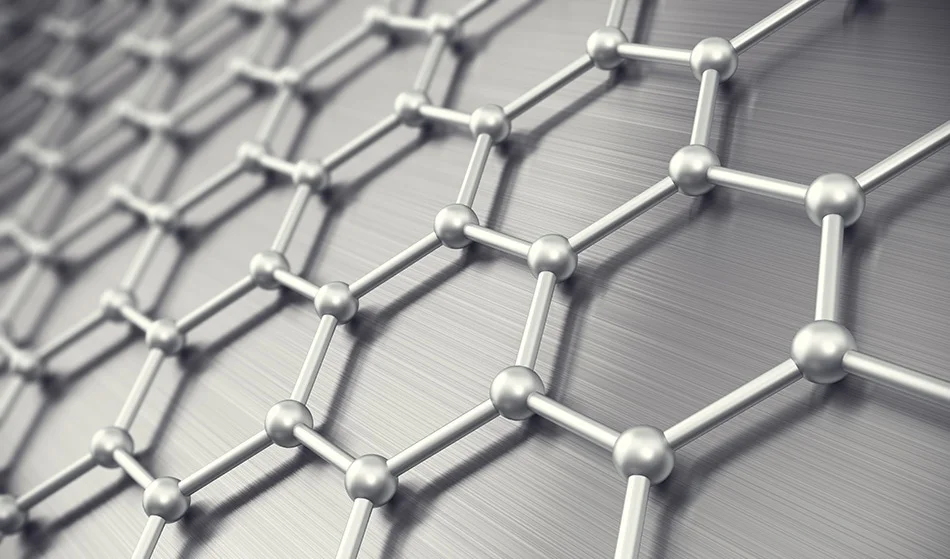
Materials science continues to evolve rapidly. However, only a few materials truly reshape industries. Graphene nanoplatelets fall into that category. Especially in the 1–2 nm thickness range, this material offers a powerful combination of performance, flexibility, and practicality.
Many researchers and manufacturers now prefer this chemical because it delivers near-graphene properties without the complexity of handling single-layer graphene. At the same time, it remains scalable, cost-effective, and adaptable across multiple applications.
So, whether you work in a laboratory or manage industrial production, understanding this material in depth can help you make better decisions and unlock new opportunities.
Understanding the Core Specifications
Before using any advanced material, you need to understand its specifications clearly. These define how the material behaves in real applications.
First, thickness stands as the most critical parameter. At 1–2 nm, nanoplatelets consist of only a few graphene layers. Because of this, they retain excellent conductivity and mechanical strength while staying easy to process.
Next, surface area plays a major role. High surface area allows better interaction with surrounding materials. As a result, bonding improves in composites, coatings, and chemical systems.
Purity also matters significantly. High-purity nanoplatelets ensure consistent electrical and thermal performance. Even small impurities can reduce efficiency, so buyers should always check this specification.
In addition, lateral size affects dispersion and integration. Smaller, uniform particles spread more evenly, resulting in better product quality.
Finally, thermal and electrical conductivity define performance in energy and electronics applications. These properties make this material highly valuable for modern technologies.
Together, these specifications explain why this chemical continues to gain attention across industries.
Why the Thickness of 1–2 nm Makes a Difference?
Although many graphene-based materials exist, thickness determines how close the material behaves to pure graphene.
When nanoplatelets remain within the 1–2 nm range, they deliver improved electron mobility. Therefore, conductivity increases, which benefits energy storage and electronic applications.
At the same time, thinner structures provide a larger effective surface area. This improves chemical reactivity and bonding strength. As a result, composites become stronger and more durable.
Moreover, dispersion becomes easier at this scale. Unlike thicker materials, these nanoplatelets mix more uniformly in liquids and polymers. It reduces processing challenges and improves the consistency of the final product.
Another advantage involves weight reduction. Because the material remains extremely thin, it adds minimal weight while maintaining strength. It is especially useful in industries such as aerospace and automotive manufacturing. Clearly, thickness is not just a technical detail. It directly influences performance and usability.
Applications That Drive Innovation
The versatility of graphene nanoplatelets enables them to be used in many applications. Their impact becomes visible in both research environments and commercial production.
Powering the Next Generation of Batteries
Energy storage stands as one of the strongest use cases. This material enhances conductivity inside battery electrodes. As a result, lithium-ion batteries charge faster and store more energy.
Additionally, supercapacitors benefit from improved charge-discharge cycles. This leads to longer lifespan and higher efficiency. For industries focused on electric vehicles and renewable energy, this advantage becomes critical.
Stronger, Lighter, Smarter Composites
Manufacturers add nanoplatelets to polymers and resins to improve mechanical strength. Even small amounts can improve durability and stiffness.
At the same time, weight remains low. This makes the material ideal for automotive, aerospace, and construction applications. Lighter materials reduce fuel consumption and improve overall efficiency.
High-Performance Coatings That Last Longer
In coatings, graphene nanoplatelets improve resistance to corrosion, wear, and environmental damage. Surfaces stay protected for longer periods, even under harsh conditions.
Moreover, these coatings enhance thermal conductivity. This helps manage heat in industrial equipment and infrastructure. As a result, maintenance costs decrease while reliability increases.
Smarter Electronics and Sensitive Sensors
Because of excellent electrical conductivity, this chemical plays a key role in modern electronics. It supports flexible circuits, conductive inks, and printed electronics.
Sensors also benefit from their properties. Increased sensitivity allows better detection in environmental monitoring, healthcare devices, and industrial systems. Therefore, performance improves without increasing complexity.
Advanced Thermal Management Solutions
Heat management has become a major challenge in modern devices. Graphene nanoplatelets help solve this issue by efficiently dissipating heat.
Electronics remain cooler during operation. Consequently, performance improves, and component lifespan extends. This becomes especially important in high-performance computing and compact electronic devices.
Innovation in Aerospace and Automotive Design
Industries that demand both strength and lightweight materials rely heavily on this chemical. It improves structural components while reducing overall weight.
As a result, vehicles become more fuel-efficient and environmentally friendly. At the same time, safety and durability remain uncompromised.
Key Benefits That Drive Adoption
Many industries adopt graphene nanoplatelets because they offer clear and measurable benefits.
-
One of the biggest advantages is improved performance. Even small amounts can enhance mechanical, electrical, and thermal properties. This allows companies to achieve better results without major design changes.
-
Cost efficiency also plays an important role. Compared to single-layer graphene, nanoplatelets provide similar benefits at a lower cost. Therefore, they remain practical for large-scale applications.
-
Scalability adds another layer of value. Manufacturers can easily increase production without facing major technical barriers. This makes the material suitable for both small projects and mass production.
-
Durability improvements further strengthen their appeal. Products become more resistant to wear, heat, and environmental damage. As a result, companies reduce maintenance costs and extend product lifespan.
-
The application's flexibility allows industries to use this material across different systems. Whether in liquids, solids, or composites, it adapts well to a wide range of environments.
Practical Tips for Better Results
Using graphene nanoplatelets effectively requires more than just selecting the right material. Proper handling and processing make a significant difference.
-
First, focus on dispersion. Always use techniques such as ultrasonic mixing or high-shear blending. These methods ensure even distribution and prevent clumping.
-
Next, control the concentration carefully. Adding too much material can lead to aggregation, which reduces performance. Starting with lower concentrations and adjusting gradually often works best.
-
Storage also requires attention. Keep the material in dry and controlled conditions to avoid moisture-related issues.
-
Compatibility testing remains essential. Different polymers and solvents interact differently with nanoplatelets. Running small tests helps identify the best combinations for your application.
-
Additionally, always follow safety guidelines during handling. Fine particles require proper protective measures to ensure safe use.
By applying these practical steps, you can maximize performance and avoid common mistakes.
Common Challenges and Smart Solutions
Although this material offers many advantages, users may encounter certain challenges. Dispersion issues often appear first. However, proper equipment and techniques usually solve this problem quickly.
-
Cost concerns may also arise, especially for high-purity materials. In such cases, bulk purchasing or long-term supplier agreements can help reduce expenses.
-
Another challenge involves quality variation between suppliers. Not all products meet the same standards. Therefore, verifying specifications and requesting samples becomes critical before making large purchases.
-
Compatibility issues can also occur in complex systems. Testing different formulations allows users to identify the best solution without risking large-scale failure.
By addressing these challenges early, you can improve results and reduce operational risks.
Conclusion
Graphene nanoplatelets with a thickness of 1–2 nm offer a unique balance of advanced performance and practical usability. They offer high conductivity, a large surface area, and excellent mechanical strength, while remaining scalable and cost-effective.
From research laboratories to industrial production lines, this material continues to prove its value. It enhances products, improves efficiency, and supports innovation across multiple sectors.
However, success depends on understanding its specifications, choosing the right quality, and applying proper handling techniques. When used correctly, graphene nanoplatelets can deliver long-term benefits and measurable performance gains.

 Arabic
 French
 Spanish
 Portuguese
 Deutsch
 Turkish
 Dutch
Dutch
 Italiano
 Russian
 Romaian
 Portuguese (Brazil)
 Greek
Greek