


Signs of Bloodstream Infections You Can't Ignore
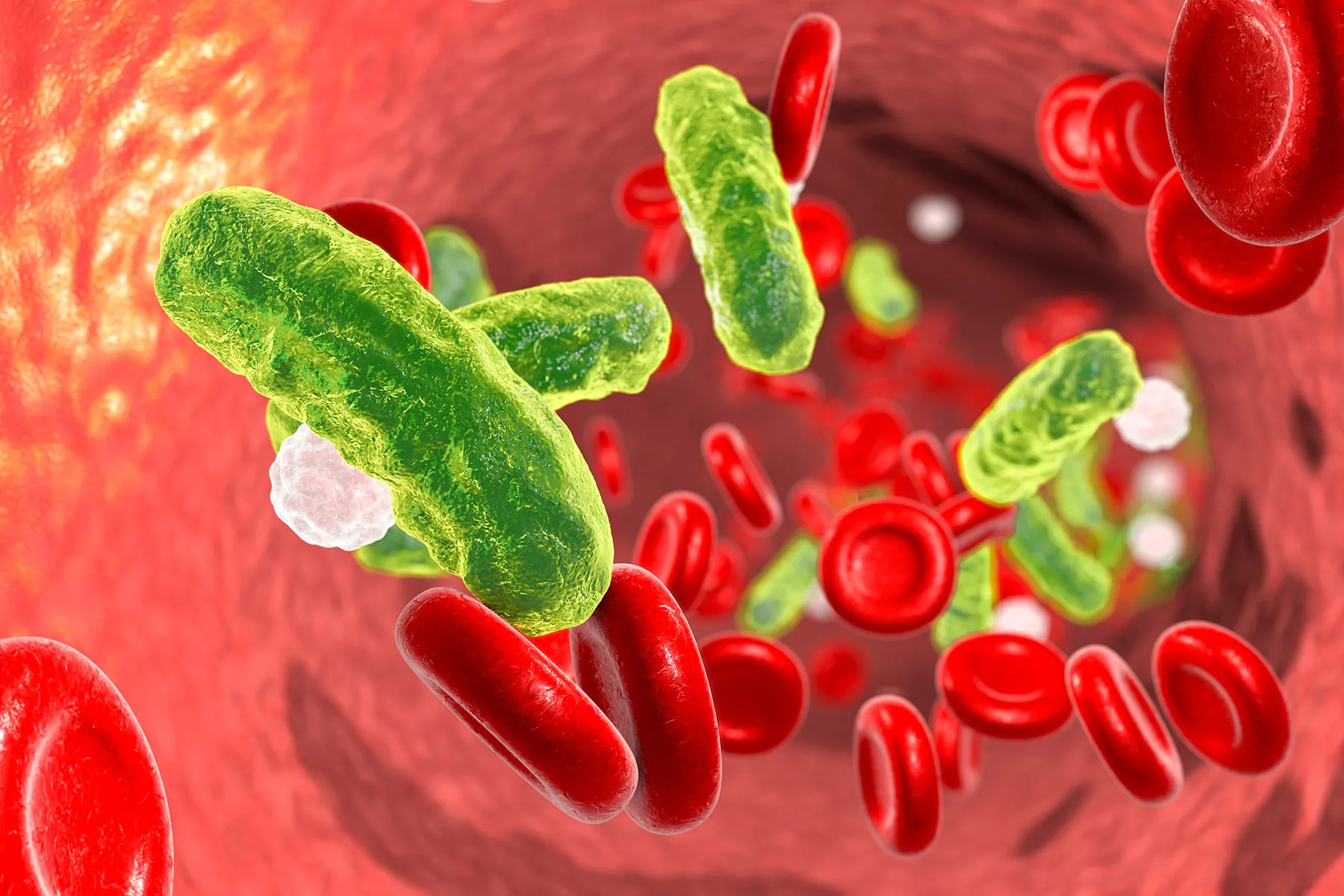
Bloodstream infections (BSIs), often referred to as septicemia, are serious medical conditions that occur when harmful microorganisms such as bacteria, fungi, or viruses enter the bloodstream. These infections can escalate rapidly, leading to life-threatening complications if not identified and treated promptly. Understanding the warning signs is critical for early intervention and improved outcomes.
What is a Bloodstream Infection?
A bloodstream infection occurs when pathogens invade the blood, spreading throughout the body. This can trigger a systemic inflammatory response, commonly known as sepsis. BSIs may originate from infections in other parts of the body, such as the lungs, urinary tract, skin, or surgical wounds.
Certain populations are more vulnerable, including the elderly, infants, individuals with weakened immune systems, and patients with chronic illnesses or invasive medical devices like catheters.
Early Signs You Should Never ignore
Recognizing the early symptoms of a bloodstream infection can save lives. While symptoms may vary depending on the cause and patient health, some common warning signs include:
1. High Fever or Hypothermia
One of the most prominent signs is a sudden spike in body temperature. A fever above 38°C (100.4°F) is a common indicator. However, in some severe cases especially in older adults body temperature may drop below normal (hypothermia), which is equally concerning.
2. Rapid Heart Rate (Tachycardia)
An increased heart rate is often the body's response to infection. If your heart feels like it's racing without a clear reason, it could indicate that your body is fighting a systemic infection.
3. Rapid Breathing (Tachypnea)
Shortness of breath or unusually fast breathing may develop as the infection progresses. This happens because the body is trying to compensate for reduced oxygen delivery caused by inflammation.
4. Chills and Shivering
Severe chills, often described as rigors, are a hallmark symptom of bloodstream infections. These episodes may be intense and uncontrollable, signaling that bacteria may be circulating in the blood.
5. Confusion or Altered Mental State
Changes in mental clarity such as confusion, disorientation, or difficulty concentrating are serious warning signs. These symptoms indicate that the infection may be affecting brain function due to decreased oxygen or inflammation.
6. Low Blood Pressure
A drop in blood pressure (hypotension) can occur as the infection worsens, leading to septic shock. Symptoms may include dizziness, fainting, or weakness. This is a medical emergency requiring immediate attention.
7. Decreased Urine Output
Reduced urination can signal that the kidneys are not functioning properly due to decreased blood flow or infection-related damage.
8. Skin Changes
Look for pale, mottled, or clammy skin. In some cases, a rash or small red spots (petechiae) may appear, indicating possible blood vessel damage.
Advanced Symptoms of Severe infection
If a bloodstream infection progresses untreated, it can lead to sepsis or septic shock. Advanced symptoms include:
- Extreme weakness or fatigue
- Difficulty staying awake
- Severe shortness of breath
- Cold or bluish extremities
- Organ dysfunction (kidneys, liver, lungs)
At this stage, immediate hospitalization is critical.
Common Causes of Bloodstream infections
Bloodstream infections often originate from localized infections that spread. Common sources include:
- Urinary tract infections (UTIs)
- Pneumonia
- Abdominal infections
- Skin infections or wounds
- Medical devices like IV lines or catheters
Hospital-acquired infections are also a major cause, particularly in intensive care units.
Risk Factors
Several factors increase the likelihood of developing a bloodstream infection:
- Weakened immune system (due to diseases or medications)
- Recent surgery or hospitalization
- Chronic conditions like diabetes or kidney disease
- Use of invasive devices (central lines, catheters)
- Poor hygiene or wound care
Recognizing these risk factors can help in early prevention and monitoring.
Diagnosis
Healthcare providers diagnose bloodstream infections through a combination of clinical evaluation and laboratory tests. Blood cultures are the gold standard for identifying the causative organism. Additional tests may include:
- Complete blood count (CBC)
- Imaging studies (X-rays, CT scans)
- Urine or sputum cultures
Early and accurate diagnosis is crucial for effective treatment.
Treatment Options
Treatment typically involves prompt administration of antimicrobial medications. Broad-spectrum antibiotics are often started immediately, even before the exact pathogen is identified.
One commonly used antibiotic in managing severe bacterial infections is ceftriaxone injection. This medication belongs to the cephalosporin class and is widely used due to its effectiveness against a broad range of bacteria. The ceftriaxone injection is often administered intravenously in hospital settings and plays a critical role in treating bloodstream infections, especially when rapid action is needed.
In addition to antibiotics, supportive care may include:
- Intravenous fluids to maintain blood pressure
- Oxygen therapy
- Medications to support organ function
- Removal of infected devices (if applicable)
Prevention Strategies
Preventing bloodstream infections involves a combination of good hygiene practices and medical precautions:
- Wash hands regularly and thoroughly
- Keep wounds clean and properly dressed
- Follow proper catheter care guidelines
- Ensure sterile techniques during medical procedures
- Stay up to date with vaccinations
For hospitalized patients, strict infection control protocols are essential to reduce the risk of hospital-acquired infections.
When to Seek Medical Help
Immediate medical attention is necessary if you or someone else experiences:
- Persistent high fever or very low body temperature
- Difficulty breathing
- Sudden confusion or disorientation
- Severe chills or shaking
- Low blood pressure symptoms like fainting
Delaying treatment can lead to rapid deterioration and life-threatening complications.
Final Thoughts
Bloodstream infections are medical emergencies that require swift recognition and treatment. The symptoms may start subtly but can escalate quickly into severe conditions like sepsis and septic shock. Being aware of the warning signs such as fever, rapid heart rate, confusion, and low blood pressure can make a critical difference.
Timely medical intervention, including the use of antibiotics like ceftriaxone injection, significantly improves survival rates. Whether in a hospital setting or at home, vigilance and prompt action are key to combating these potentially deadly infections.
If you suspect a bloodstream infection, do not wait seek medical care immediately. Early detection saves lives.

 English
 Arabic
 French
 Spanish
 Portuguese
 Deutsch
 Turkish
 Dutch
Dutch
 Italiano
 Romaian
 Portuguese (Brazil)
 Greek
Greek