


Antimicrobial Resistance A Growing Global and National Health Challenge
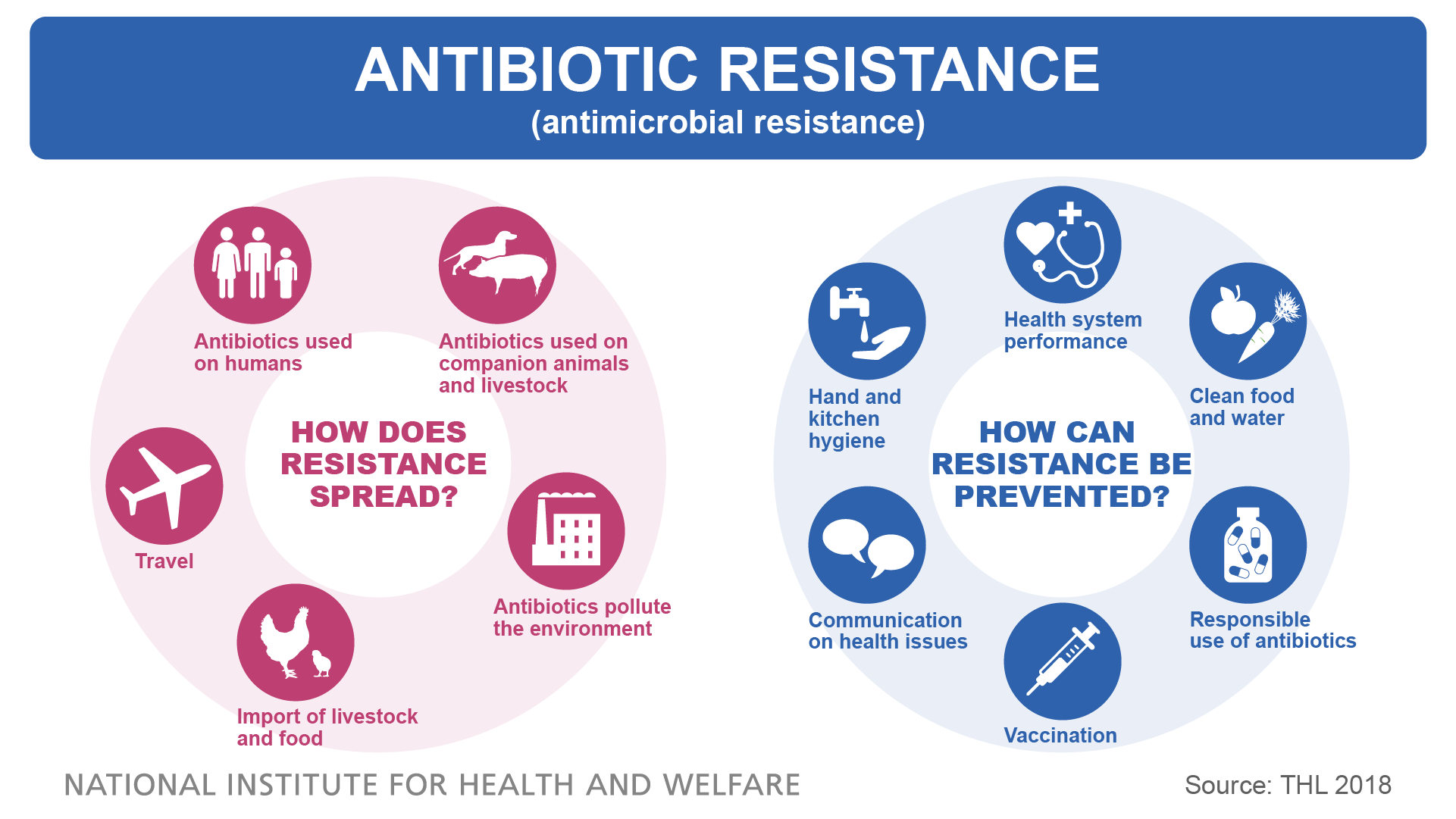
Antimicrobial resistance is no longer a distant or technical issue it is a real and growing threat affecting everyday healthcare across the world. From common infections becoming harder to treat to rising healthcare costs and mortality rates the impact of antimicrobial resistance is being felt globally especially in developing countries like Nigeria. Understanding this problem is the first step toward addressing it effectively.
Understanding Antimicrobial Resistance
Antimicrobial resistance occurs when microorganisms such as bacteria viruses fungi and parasites evolve over time and no longer respond to medicines that once killed them. This means treatments become less effective infections persist longer and the risk of spreading disease increases.
In simple terms antimicrobial resistance makes medicines weaker against infections. What used to be easily treatable conditions can now turn into serious health threats. This issue is not limited to hospitals it affects communities farms and even the environment.
Globally antimicrobial resistance is considered one of the biggest public health challenges of our time. It contributes to millions of deaths each year and continues to grow due to misuse and overuse of antibiotics.
The Situation of Antimicrobial Resistance in Nigeria
In Nigeria antimicrobial resistance has become a major public health concern. Many infections that were once easy to treat are now becoming more difficult and expensive to manage. Patients often stay sick longer and in severe cases infections can lead to death.
The rise of antimicrobial resistance in Nigeria is driven by several interconnected factors. One of the most common issues is the misuse of antibiotics. Many people buy antibiotics without prescriptions do not complete their doses or share medications with others.
Additionally weak healthcare systems poor sanitation and lack of awareness contribute significantly to the spread of resistant infections. In some regions fake or low-quality drugs further worsen the situation.
Statistics highlight the seriousness of the problem. Nigeria ranks among countries with high antimicrobial resistance-related deaths with thousands of lives affected each year.
Causes of Antimicrobial Resistance
The causes of antimicrobial resistance are complex but largely preventable. One of the primary causes is the overuse and misuse of antibiotics. When antibiotics are used unnecessarily or incorrectly bacteria adapt and become resistant.
Another key factor is poor infection prevention and control. Inadequate hygiene practices in hospitals and communities allow resistant organisms to spread quickly.
Agricultural practices also play a role. The use of antibiotics in livestock for growth promotion or disease prevention contributes to the development of resistance which can then spread to humans.
Lack of proper diagnostic tools further complicates the issue. Without accurate testing healthcare providers may prescribe antibiotics unnecessarily increasing resistance risks.
Impact of Antimicrobial Resistance
The impact of antimicrobial resistance goes beyond individual health. It affects entire healthcare systems and economies. Patients with resistant infections often require longer hospital stays more expensive treatments and intensive care.
This increases the burden on healthcare systems especially in countries with limited resources. Families also face financial strain due to prolonged illness and treatment costs.
Moreover antimicrobial resistance threatens modern medical procedures. Surgeries cancer treatments and organ transplants rely on effective antibiotics to prevent infections. Without them these procedures become riskier.
Nigeria’s Response to Antimicrobial Resistance
Nigeria has taken important steps to address antimicrobial resistance through national strategies and collaborations. One of the key initiatives is the National Action Plan on Antimicrobial Resistance (NAP 2.0) which focuses on improving surveillance awareness and antibiotic use.
The Nigerian government through the Nigerian Center for Disease Control and Prevention (NCDC) leads efforts to coordinate responses and implement policies. These efforts align with global strategies supported by organizations like the World Health Organization.
A major contributor to this fight is the Nigerian National Antimicrobial Stewardship Taskforce (NNAST). This task force plays a critical role in guiding antimicrobial stewardship practices across the country.
NNAST works closely with healthcare providers policymakers and international partners to promote the responsible use of antibiotics. It also supports training programs research and public awareness campaigns.
The Role of Antimicrobial Stewardship
Antimicrobial stewardship is a key strategy in combating antimicrobial resistance. It involves using antibiotics responsibly to ensure they remain effective for future generations.
This includes prescribing antibiotics only when necessary choosing the right drug and ensuring patients complete their treatment courses. Healthcare professionals play a vital role in implementing these practices.
Public awareness is equally important. Educating communities about the dangers of misuse and the importance of proper medication use can significantly reduce resistance rates.
Global Efforts and Collaboration
Antimicrobial resistance is a global issue that requires coordinated efforts across countries. Organizations like the World Health Organization provide guidelines and support to help nations develop effective strategies.
Global collaboration ensures that knowledge resources and innovations are shared to combat resistance. This includes research into new medicines improved diagnostics and better surveillance systems.
Nigeria’s efforts align with these global initiatives ensuring that the country remains part of the worldwide fight against antimicrobial resistance.
The Way Forward
Addressing antimicrobial resistance requires a multi-sectoral approach. Governments healthcare providers researchers and the public must work together to reduce the spread of resistance.
Improving healthcare infrastructure strengthening regulations on antibiotic use and investing in research are essential steps. At the same time individuals must take responsibility by using antibiotics correctly and avoiding self-medication.
Organizations like NNAST continue to play a crucial role in driving these efforts forward ensuring that policies are translated into real-world impact.
Conclusion
Antimicrobial resistance is a serious and growing threat that demands urgent attention. In Nigeria the challenge is significant but progress is being made through national action plans partnerships and awareness initiatives.
By promoting responsible antibiotic use strengthening healthcare systems and supporting organizations like NNAST it is possible to slow down the spread of antimicrobial resistance.
The fight against antimicrobial resistance is not just a medical issue it is a shared responsibility. Taking action today will help protect the effectiveness of life-saving medicines for future generations.

 English
 Arabic
 French
 Spanish
 Deutsch
 Turkish
 Dutch
Dutch
 Italiano
 Russian
 Romaian
 Portuguese (Brazil)
 Greek
Greek