


How Sprinkler Winterization Prevents Costly Repairs
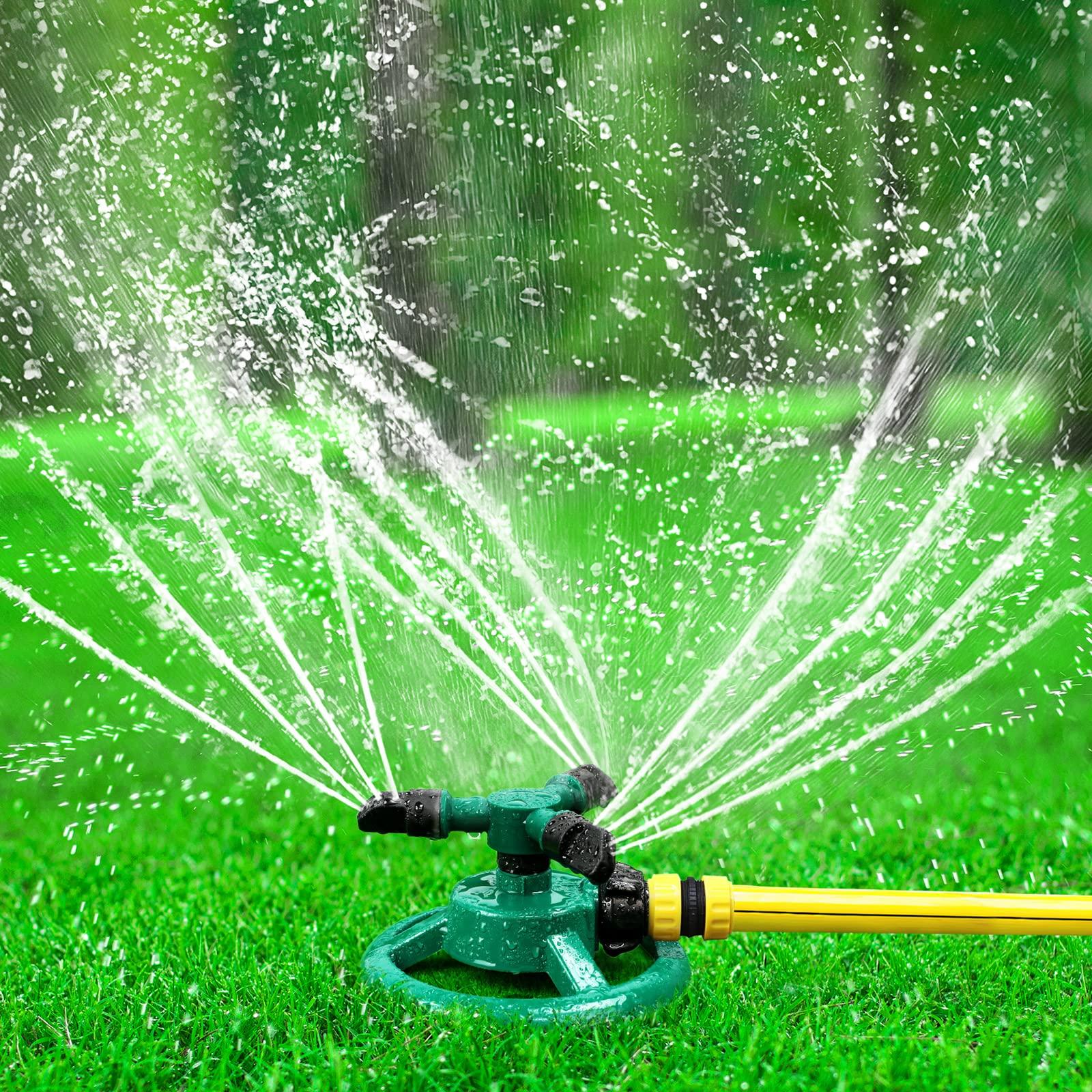
Winter is one of the most damaging seasons for irrigation systems. Freezing temperatures turn trapped water into ice. That ice expands inside pipes, valves, and heads. The expansion creates intense internal pressure on system components. That pressure cracks pipes, splits valve bodies, and destroys sprinkler heads.
The resulting damage is not always immediately obvious. You may not discover broken components until spring startup. By then, water damage to your lawn may already be severe. Waterlogged soil from underground leaks destroys grass roots. Emergency repairs in spring cost far more than prevention did in fall.
Sprinklers winterization is the single most effective way to prevent this damage. It removes all water from your system before temperatures drop. This eliminates the freeze threat entirely before it can cause harm. The process is straightforward but must be done thoroughly. Incomplete winterization leaves trapped water that still causes damage.
Understanding How Freeze Damage Occurs
Water expands by approximately nine percent when it freezes. That may seem like a small amount. But inside a sealed pipe or valve, that expansion is enormous. The forces generated can exceed the strength of plastic and copper. Even flexible components cannot always absorb this kind of pressure.
Above-ground components are most vulnerable to freeze damage. Sprinkler heads sit just below or at the surface of the lawn. They are directly exposed to ground temperature fluctuations. During hard freezes, soil temperature drops quickly near the surface. Heads and risers at this level freeze before deeper underground pipes do.
The Most Commonly Damaged Sprinkler Components
Sprinkler heads are the most frequently replaced components after winter. Their plastic bodies crack easily under freeze expansion pressure. The internal springs and seals are also vulnerable to cold damage. Replacing individual heads adds up quickly across a full system. A single freeze season can mean replacing dozens of heads.
Valve manifolds are another common victim of freeze damage. Water trapped inside valve bodies expands and cracks the housing. Cracked valves leak continuously once the system is reactivated. Multiple cracked valves can cause significant water waste and lawn damage. Replacing valve manifolds is both labor-intensive and expensive in spring.
What Sprinkler Winterization Actually Involves
Proper winterization involves more than simply turning off the water supply. Water remains inside underground pipes even after the supply is shut off. This trapped water poses the same freezing risk as running water. Removing it completely requires compressed air or gravity draining. The goal is zero water remaining anywhere in the system.
Compressed air blow-out is the most common and effective method. A professional connects a compressor to the system's blow-out port. Air is forced through each zone sequentially to expel all water. The process continues until no more water exits through the heads. Each zone typically requires multiple air passes to fully clear.
Why Proper Air Pressure Matters During Blow-Out
Using the wrong air pressure during blow-out causes damage. Too much pressure blows components apart or cracks pipe joints. Too little pressure fails to remove all moisture from the lines. The correct pressure range depends on your pipe size and head type. Most residential systems require between 50 and 80 PSI for safe operation.
Professionals use regulated compressors with accurate gauges. They monitor pressure throughout each zone's blow-out cycle. They also use hearing and visual cues to confirm complete water removal. This expertise is not easily replicated without professional training. Attempting blow-out without experience risks the very damage you are trying to prevent.
The Financial Cost of Skipping Winterization
Many homeowners skip winterization to save money in fall. This is a decision that consistently backfires in the most expensive ways. The average cost of professional winterization is modest and predictable. The cost of repairing freeze damage is far higher and unpredictable. Choosing prevention over repair is always the more economical decision.
A single cracked pipe underground requires excavation to repair. Excavation costs include labor, equipment, and lawn restoration afterward. A single repair job can easily cost several times the winterization fee. Multiple damaged components multiply this cost across the entire system. Most spring repair bills dwarf what winterization would have cost in fall.
Insurance Considerations and Freeze Damage Claims
Many home insurance policies do not cover freeze damage to irrigation systems. Insurers classify irrigation as an elective outdoor feature. They often exclude it from standard property damage coverage. This means repair costs come entirely out of your own pocket. Winterization eliminates this financial risk before it can materialize.
Some comprehensive home policies may offer limited coverage. However, claims for preventable damage are frequently denied. Insurers expect homeowners to take reasonable protective measures. Failing to winterize a sprinkler system is typically considered negligence. This is another strong reason to schedule winterization before every winter season.
The Right Time to Winterize Your System
Timing is critically important for effective winterization. Winterizing too early wastes late-season irrigation opportunities. Winterizing too late risks freeze damage before the process is complete. The ideal timing depends on your local climate and frost patterns. Watching weather forecasts closely helps identify the right window.
The general rule is to winterize before the first hard frost. A hard frost occurs when temperatures drop below 32°F for several hours. Single overnight frosts early in fall are usually not dangerous. Sustained hard freezes are what cause serious irrigation damage. Most professionals recommend winterizing two weeks before freezing temperatures arrive.
Regional Differences in Winterization Timing
In northern climates, winterization often happens in September or October. Temperatures drop quickly and unpredictably in these regions. Waiting until late November risks being caught off guard. In milder climates, late October through November is typical. Southern regions may only need to winterize every few years or during unusual cold snaps.
Homeowners in Toronto and similar cities face significant winter challenges. Temperatures regularly drop well below freezing for months at a time. Ground frost penetrates deeply and damages unprotected components quickly. Early and thorough winterization is absolutely non-negotiable in these climates. Delaying even one week can mean facing a season of expensive repairs.
Spring Startup After Proper Winterization
A properly winterized system reactivates smoothly and quickly in spring. There is no hidden damage to discover and no emergency repairs needed. The system pressurizes evenly and all heads operate as expected. This smooth startup saves time, money, and frustration at the beginning of the season. It also means your lawn gets timely irrigation as growing season begins.
Spring startup involves more than simply turning the water back on. A professional inspection checks for any winter wear or shifting damage. Heads are inspected for alignment and proper arc coverage. Controllers are reprogrammed for the new season's watering schedule. Pressure tests confirm all zones are operating within normal parameters.
Choosing a Professional Winterization Service
Professional winterization services are widely available in most regions. Choosing a qualified and experienced provider is important. Look for companies with specific irrigation expertise and proper equipment. A professional with a properly rated commercial compressor does the job correctly. Improper equipment leads to incomplete blow-outs or component damage.
Ask about the company's winterization process before booking. They should inspect each zone and perform multiple passes per zone. They should also cap or insulate any above-ground components. Backflow preventers need special attention during the winterization process. Confirm that the company services your specific system type and brand.
Conclusion
Sprinkler winterization is one of the smartest maintenance investments a homeowner can make. It protects hundreds or thousands of dollars' worth of irrigation infrastructure. It prevents freeze damage that can devastate both your system and your lawn. The cost is predictable, modest, and always worth every dollar spent. Never let your irrigation system face winter without completing a thorough and professional winterization before the cold arrives.

 English
 Arabic
 French
 Portuguese
 Deutsch
 Turkish
 Dutch
Dutch
 Italiano
 Russian
 Romaian
 Portuguese (Brazil)
 Greek
Greek