


How To Manage Sequential Altitude Exposure: Everest Three High Pass Trek
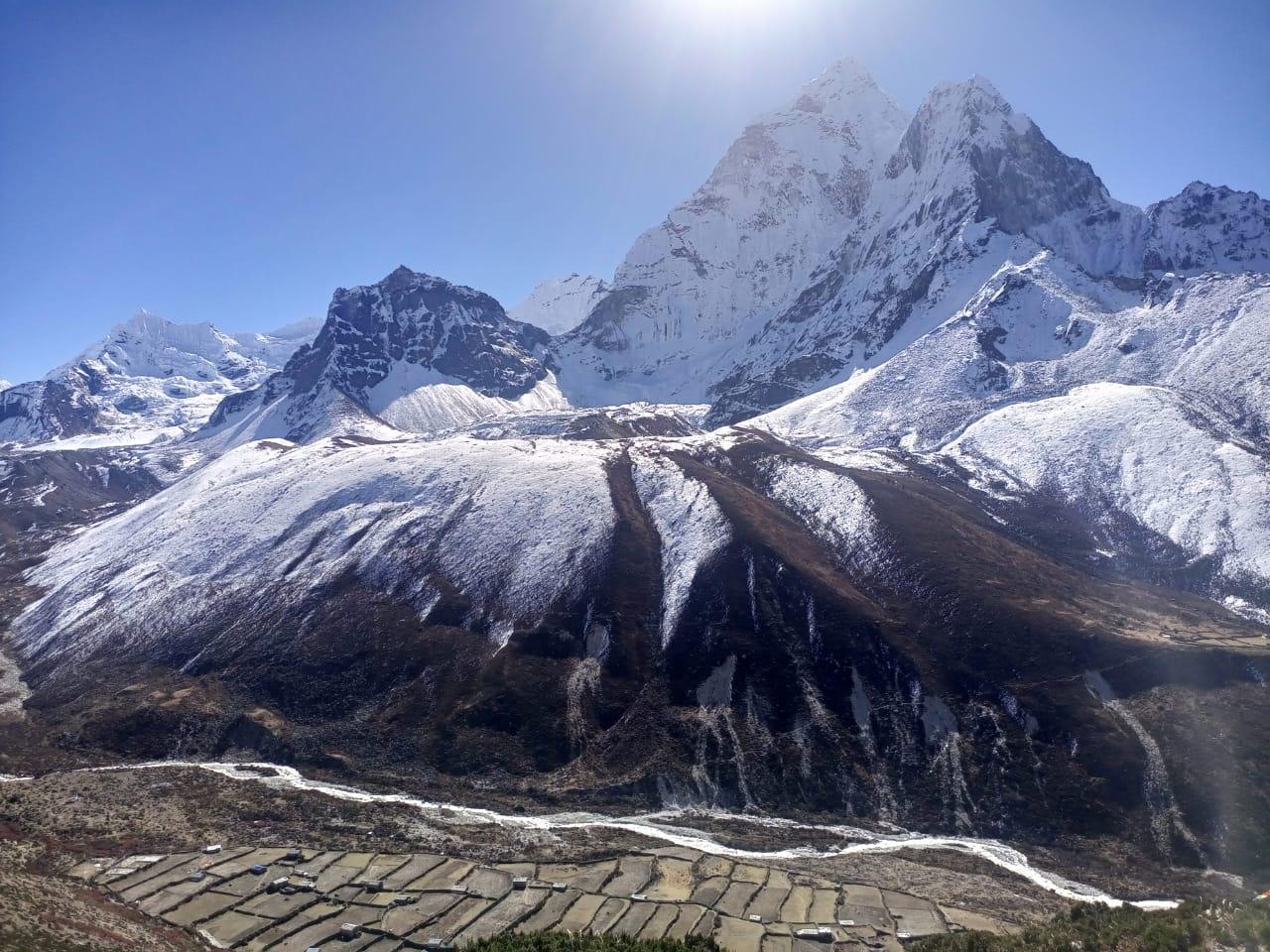
Starting high means starting smart on the Everest Three High Pass Trek - each climb and drop beyond 5,000 meters tests how well the body handles thin air. Moving through the Everest region often means gaining ground fast, then losing it just as quickly, which pushes physical limits. Because of this rhythm, adjusting step by step becomes key to staying strong.
Instead of rushing upward, spacing out elevation gains supports better breathing and clearer thinking. Without steady pacing, fatigue builds faster than expected. One misstep in timing can lead to headaches, nausea, and stalled progress. Yet when handled right, shifting altitudes gradually keeps momentum going while lowering health risks. Body rhythms adapt more smoothly if given time between peaks. So patience shapes performance far more than speed ever could.
Altitude Changes in the Himalayas
This pattern shapes the journey on the Everest Three High Pass Trek across Nepal’s mountains. Instead of rising once, hikers face multiple climbs - Kongma La, then Cho La, followed by Renjo La - with drops in between. With every shift upward, breathing grows harder as air thins. The body works differently each time it meets a thin atmosphere. Fatigue builds quickly if left unchecked, while higher elevations can intensify physical strain. Grasping these shifts helps condition both thought and movement ahead of prolonged exposure above sea level.
Gradual Acclimatization Cycles Matter
Most people overlook how slow shifts in air pressure affect breathing at height. Yet on the Everest Three High Pass route, pauses built into the path shape how well the body keeps up. Instead of pushing forward nonstop, halts in places such as Namche Bazaar give muscles and lungs a chance to reset. With each pause, changes happen inside - more blood cells form, carrying breath deeper into tissue. Even though trails climb fast, these stops balance the high demand that high altitudes place on stamina. Starting too fast at elevation risks pushing your system past its limit. Moving up slowly helps you handle back-to-back mountain crossings while keeping energy steady on long hikes.
Energy Regulation Across Multiple Pass Crossings
Starting strong matters less than pacing yourself across the three big climbs of Everest's high passes. Moving through Nepal’s trails means pushing hard where the air feels thin, each summit demanding more breath. Finish lines appear only after surviving every ridge, not just the first few. How you climb connects tightly to how fast your body bounces back downhill. Strength saved uphill fuels survival during cold halts and long drops. When you move steadily, your body saves fuel for higher climbs later. Staying smooth with effort means you keep going strong through every part of the hike.
Oxygen Efficiency Through Controlled Breathing
Air moves differently when crossing high passes on the Everest trek. Higher up in Nepal, each breath pulls in less oxygen than at sea level. Staying steady with inhales and exhales sharpens stamina on long ascents. Pacing the lungs’ rhythm keeps the pulse calm, even while climbing. Breathing wrong makes fatigue hit harder when climbing again and again. Without smart air use, staying steady on back-to-back mountain crossings gets tough.
Recovery Strategies Between High Pass Sections
Rest matters most when climbing through high elevations on the Everest Three High Pass Trek. After pushing across lofty terrain in Nepal, the body needs time to adjust, especially in thin mountain air. Villages such as Lobuche or Gokyo become quiet spots where trekkers refill water, eat well, and catch deep sleep. Each pause helps reset strength before the next stretch unfolds ahead. Skip these breaks, energy drains fast - making later climbs harder than they need to be. After effort, pause lets the muscles and breath find balance again. When rest works well, the body stays prepared for high paths ahead on the journey.
Manage Load at Lower Elevations
Heavy packs ask more from your body as you climb higher on the Everest Three High Pass Trek. With each step upward, extra weight makes breathing harder in thin mountain air. Moving between high passes becomes tougher when gear drags down stamina. Shedding pounds means smoother movement through rugged, breathless terrain. Carrying just what you need starts with how you pack. When weight shifts feel smooth across long climbs, movement stays steady. Each item has a role when the trail keeps rising.
Mental Adjustment to Frequent High Altitude Exposure
Getting used to the mind game matters when crossing one high pass after another on the Everest Three High Pass Trek. Crossing multiple big mountain crossings in Nepal wears down your headspace over time. Staying driven and locked in makes it easier to push past mental drag along this trail. Fresh resolve must spark again at every new ridge crossed. When the mind stays tough, hard things feel easier, and stamina grows stronger. Getting through several extreme elevation trials depends heavily on mental grit.
How Weather Affects Step-by-Step Exposure Handling
Heavy clouds might roll in fast, shifting how tough each climb feels on the Everest Three High Pass Trek. When storms hit in the Himalayas, trail sections grow harder without warning. Instead of steady progress, snow piles up, winds blast through valleys, and paths vanish under whiteouts. Breathing gets heavier when fog cuts sightlines and cold bites deeper. Longer stretches above base camps become unavoidable if skies stay closed. When skies shift, plans must too - staying alert cuts danger, and moving through high places back to back? Watch the air around you. It matters.
Staying Hydrated and Eating Well at High Elevations
Water matters more than most think when crossing high passes one after another. Up there, the air pulls moisture from your body fast - especially while moving through Nepal's mountain trails. Eating right keeps strength steady, just as drinking does. Without enough fluids, even good food won’t fuel movement well. Energy needs a mix: sugars for quick power, minerals to keep rhythm in muscles. Oxygen moves better when the body isn’t starved of fuel or water. When the body lacks good food, climbing higher makes it weaken faster. Staying fueled matters just as much as drinking enough water up there. High places demand steady intake to keep things balanced.
Mastering Altitude Changes in the Himalayas
Start high, then drop low - that rhythm shapes how bodies adjust during the Everest Three High Pass Trek. Moving through thinning air means breath control matters just as much as rest timing. Fatigue slips in quietly when loads stay heavy across steep climbs. Instead of pushing forward nonstop, smart pacing includes pauses that let oxygen catch up.
Weather shifts fast here - what looks clear at dawn might blur into fog by noon. Hydration isn’t about volume; it’s sipping often even without thirst. Minds waver where trails get narrow, and views stretch too far down. Each pass crossed teaches something new about personal limits. Success hides less in speed than in small choices made daily. Body strength grows only if recovery keeps pace with effort. Remote valleys offer no quick exits - preparation becomes survival's quiet partner.

 English
 Arabic
 French
 Spanish
 Portuguese
 Deutsch
 Turkish
 Dutch
Dutch
 Russian
 Romaian
 Portuguese (Brazil)
 Greek
Greek