


Scaling Data Center Interconnects: The 24-Fiber High-Density Advantage
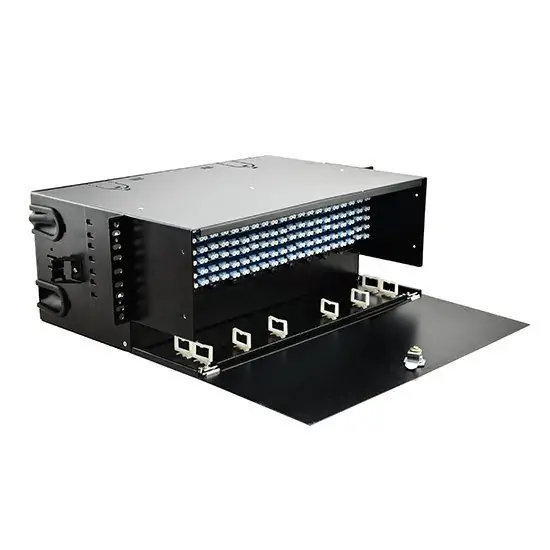
The rapid transition toward high-performance computing (HPC) and artificial intelligence workloads has pushed traditional networking limits to a breaking point. To sustain these data-intensive environments, enterprise architects are increasingly prioritizing the installation of the mpo 24 fiber cable as a foundational backbone component. By consolidating two dozen optical fibers into a single modular interface, this technology allows for a cleaner, more organized physical layer that provides the massive bandwidth headroom required for the next decade of digital innovation.
This high-density approach is particularly critical in top-of-rack (ToR) and end-of-row (EoR) cabling designs. By reducing the physical mass of the cabling plant, facilities can avoid the "cable spaghetti" that often plagues legacy data centers. This results in a more professional, manageable, and auditable environment where technicians can quickly identify and swap links without the risk of disturbing adjacent critical services.
The Engineering Behind Multi-Fiber Connector Precision
The reliability of a high-density link depends entirely on the mechanical precision of the MT (Mechanical Transfer) ferrule. In a 24-fiber configuration, the ferrule must align two horizontal rows of fibers with sub-micron accuracy. This is achieved through a robust system of high-precision metal guide pins and matching holes that ensure every fiber core in the connector aligns perfectly with its mating counterpart. This mechanical consistency is necessary to maintain low insertion loss and high return loss, ensuring the optical signal remains strong across the entire link.
The internal construction of these cables often utilizes bend-insensitive fiber technology. This allows the cable to maintain its peak optical performance even when routed through the tight, congested pathways typical of modern data center environments. The outer jacket is engineered to protect these delicate fibers from mechanical stress and tension, ensuring the infrastructure remains stable over its long-term operational lifecycle.
Improving Airflow and Thermal Management Efficiency
One of the most immediate benefits of migrating to a professional mpo fiber cable is the improvement in data center thermodynamics. In many legacy facilities, thick bundles of duplex cables can obstruct the path of cold air, leading to hotspots and increased energy consumption for cooling. High-density MPO trunks are much thinner than the equivalent number of duplex cables, significantly reducing cable congestion. This streamlined profile facilitates better airflow through server cabinets and under-floor plenums, resulting in a more energy-efficient facility and lower operational expenses.
Strategic Scaling with Modular Design
In the fast-paced world of digital business, the ability to scale network capacity quickly is a major competitive differentiator. Factory-terminated MPO solutions provide a "plug-and-play" capability that allows for the rapid deployment of new services. By eliminating the need for time-consuming field splicing and polishing, IT teams can bring new capacity online in a fraction of the time. These pre-terminated assemblies are manufactured in a controlled environment, ensuring a level of quality and consistency that is difficult to achieve on-site.
This modularity also future-proofs the network. As bandwidth needs grow, the high-density backbone can remain in place while the endpoints are upgraded. By using breakout cables or cassettes, a single 24-fiber trunk can be partitioned into multiple 10G, 40G, or 100G links, providing the flexibility to support a diverse range of hardware and protocols within the same cabling infrastructure.
The Role of Parallel Optics in Future-Proofing
The industry-wide move toward 400G and 800G Ethernet is built upon the foundation of parallel optics. In these high-speed configurations, data is transmitted across multiple fiber lanes simultaneously. The mpo optical cable is the standard interface for these technologies, making it an essential component for any organization looking to stay competitive in the digital landscape.
Investing in a robust multi-fiber backbone today ensures that the facility is prepared for the next wave of technological innovation. As new transceivers are released, the physical layer is already in place to support them, preventing the need for disruptive and expensive infrastructure overhauls. This strategic foresight allows organizations to focus their resources on active electronics and software-defined services rather than physical maintenance.
Operational Best Practices for High-Density Fiber Links
To ensure the long-term reliability of a high-density fiber network, strict maintenance protocols must be observed. The most critical factor is the cleanliness of the optical interface. Because MPO connectors house multiple fibers in a small area, a single speck of dust can affect several channels at once. Specialized "one-click" cleaners and digital inspection probes are mandatory tools for any technician working on these systems to verify a pristine connection every time.
Furthermore, proper cable management is vital. Using horizontal and vertical managers to support the weight of the trunk cables ensures that there is no undue stress on the connectors. Maintaining the correct bend radius protects the internal fibers from micro-bends that could lead to signal attenuation. By following these best practices, organizations can ensure that their high-speed links operate at peak performance, providing the reliable connectivity required for mission-critical applications.
Conclusion
The transition to high-density optical cabling is a cornerstone of modern network evolution. By consolidating connectivity into efficient, modular, and high-performance trunks, organizations can achieve the scalability and reliability needed for the future of data. The combination of precision engineering, improved thermal dynamics, and rapid deployment makes MPO technology the clear choice for any enterprise-grade network. As the demand for data continues its exponential growth, a well-designed physical layer remains the most important asset in a successful IT strategy, ensuring that the network can grow alongside the business it supports.

 English
 Arabic
 French
 Spanish
 Portuguese
 Deutsch
 Turkish
 Dutch
Dutch
 Russian
 Romaian
 Portuguese (Brazil)
 Greek
Greek