


AAA Rechargeable Cell Guide Uses Benefits Explained Pro
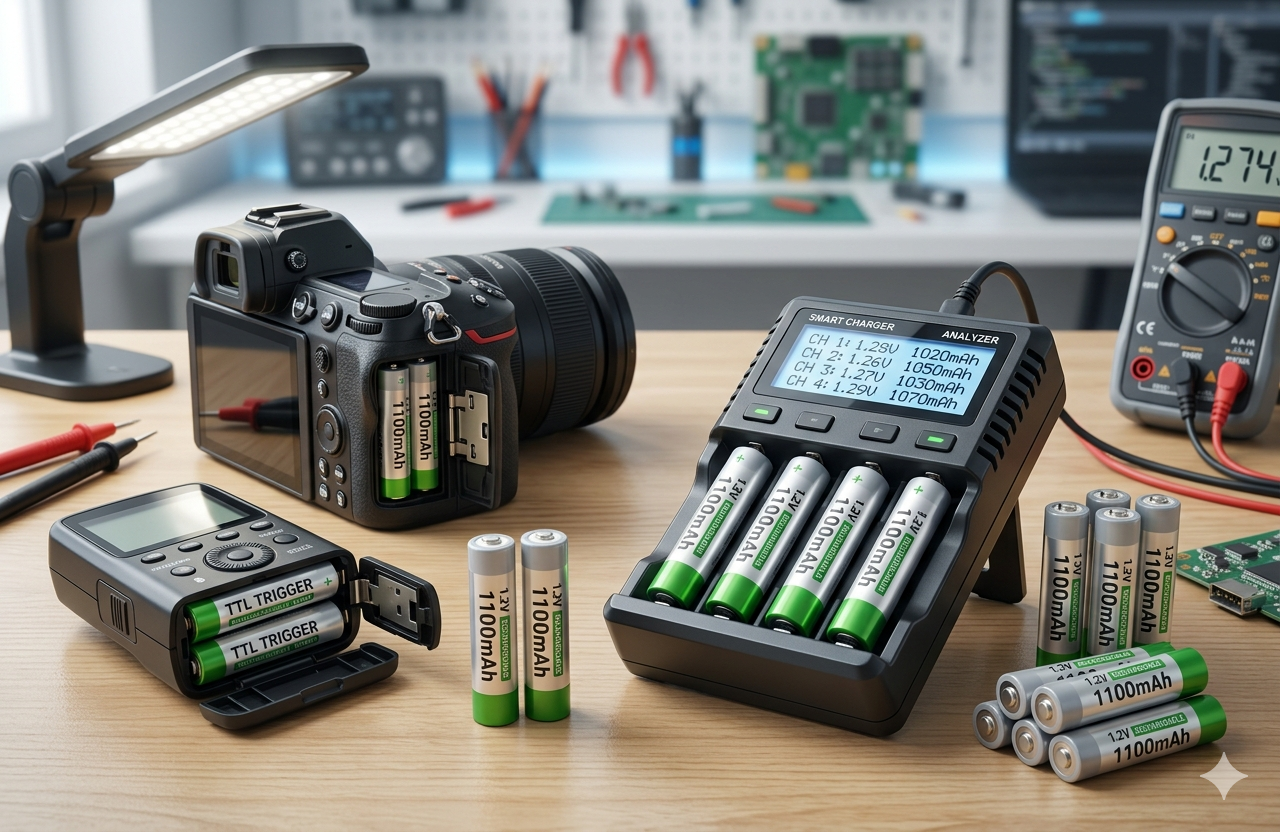
In today’s modern world, portable electronics have become an essential part of daily life. From remote controls and wireless keyboards to toys, flashlights, and cameras, almost every device depends on reliable battery power. One of the most commonly used compact power sources is the AAA rechargeable cell. It is small in size but powerful in performance, making it a popular choice for both household and professional use.
Unlike disposable batteries, rechargeable cells can be reused multiple times, which makes them more cost-effective and environmentally friendly. The growing demand for sustainable energy solutions has increased the popularity of the AAA rechargeable cell worldwide. In this article, we will explore what it is, how it works, its types, benefits, uses, and how to choose the best one for your needs.
What Is an AAA Rechargeable Cell?
An AAA rechargeable cell is a small cylindrical battery designed to store and deliver electrical energy to low-power devices. The term "AAA" refers to its size classification, which is smaller than AA batteries. These cells are commonly used in compact electronics where space is limited but reliable power is required.
The key difference between a standard AAA battery and an AAA rechargeable cell is reusability. A rechargeable cell can be charged and used hundreds or even thousands of times depending on its quality and type. This makes it a practical choice for users who frequently replace batteries.
Types of AAA Rechargeable Cells
There are several types of AAA rechargeable cells available in the market, each with its own features and performance level.
Nickel-Metal Hydride (NiMH)
NiMH AAA rechargeable cells are the most commonly used type today. They offer high energy capacity, stable performance, and are environmentally safe compared to older technologies. They are ideal for everyday devices like remote controls, clocks, and wireless gadgets.
Nickel-Cadmium (NiCd)
NiCd batteries were widely used in the past but are now less popular due to environmental concerns. They are durable and can handle extreme conditions, but they suffer from a memory effect, which reduces their efficiency over time if not properly discharged.
Lithium-ion (Li-ion)
Lithium-ion AAA rechargeable cells are less common but offer higher energy density and longer lifespan. They are lightweight and provide consistent voltage output, making them suitable for advanced electronics.
How Does an AAA Rechargeable Cell Work?
The working principle of an AAA rechargeable cell is based on electrochemical reactions. Inside the cell, there are two electrodes: a positive electrode (cathode) and a negative electrode (anode), along with an electrolyte that allows ions to move between them.
When the battery is used, a chemical reaction occurs that generates electrical energy. When it is placed in a charger, the process is reversed, restoring the chemical balance and recharging the cell. This cycle can be repeated multiple times, depending on the battery’s quality and usage conditions.
Capacity and Performance
AAA rechargeable cells come with different capacity ratings, usually measured in milliampere-hours (mAh). A higher mAh rating means the battery can store more energy and last longer before needing a recharge.
Common AAA rechargeable cell capacities range from 600 mAh to 1100 mAh. Devices that require continuous power, such as digital cameras or gaming controllers, benefit from higher-capacity cells, while low-drain devices can work efficiently with standard capacity batteries.
Advantages of AAA Rechargeable Cells
There are several reasons why AAA rechargeable cells are widely preferred over disposable batteries.
Cost Efficiency
Although the initial cost is higher, rechargeable cells save money in the long run because they can be reused many times.
Environmentally Friendly
Using rechargeable batteries reduces waste and helps decrease the number of disposable batteries that end up in landfills.
Reliable Performance
High-quality AAA rechargeable cells provide stable voltage output, ensuring consistent device performance.
Easy Availability
They are widely available in the market and can be used in a variety of devices without compatibility issues.
Disadvantages of AAA Rechargeable Cells
Despite their advantages, AAA rechargeable cells also have a few limitations.
Initial Cost
They are more expensive initially compared to disposable batteries.
Charging Requirement
They require a compatible charger, which may not always be convenient in emergency situations.
Gradual Capacity Loss
Over time, rechargeable cells may lose some of their original capacity after repeated charging cycles.
Common Uses of AAA Rechargeable Cells
AAA rechargeable cells are used in a wide range of electronic devices, including:
-
TV remote controls
-
Wireless computer keyboards and mice
-
Digital cameras
-
Toys and gaming controllers
-
LED flashlights
-
Portable audio devices
Their compact size makes them suitable for devices where space is limited but reliable energy is essential.
How to Choose the Best AAA Rechargeable Cell
Selecting the right AAA rechargeable cell depends on your usage requirements. Here are some important factors to consider:
Capacity (mAh)
Choose higher mAh batteries for devices that consume more power.
Brand Quality
Always choose trusted and reliable brands to ensure safety and performance.
Charging Cycles
Look for batteries that offer a high number of recharge cycles for long-term use.
Self-Discharge Rate
Low self-discharge batteries retain their charge longer when not in use, making them ideal for occasional-use devices.
Charging Tips and Safety Guidelines
Proper care can significantly extend the life of your AAA rechargeable cells.
-
Always use a compatible charger
-
Avoid overcharging the battery
-
Do not expose batteries to extreme heat or cold
-
Store them in a dry place
-
Recharge before they are completely drained
Following these simple tips can improve performance and increase battery lifespan.
Maintenance and Storage
To maintain the efficiency of AAA rechargeable cells, it is important to store them properly when not in use. Keep them in a cool, dry place and avoid direct sunlight. If batteries are stored for long periods, it is recommended to recharge them every few months to maintain their health.
Disposable vs Rechargeable AAA Cells
Disposable AAA batteries are convenient for short-term use but become expensive and wasteful over time. On the other hand, rechargeable AAA cells are more economical and environmentally responsible. While disposable batteries offer instant usage, rechargeable cells provide long-term value and sustainability.
Where to Buy Reliable AAA Rechargeable Cells
When purchasing AAA rechargeable cells, choosing a trusted source is very important to ensure quality and durability. One reliable platform is , which offers a variety of rechargeable battery solutions suitable for different devices and needs. The website provides quality products that are designed for long-lasting performance and customer satisfaction.
Conclusion
The AAA rechargeable cell is a small yet powerful energy solution that plays a vital role in modern electronic devices. Its ability to be reused multiple times makes it a cost-effective and eco-friendly alternative to disposable batteries. With proper care, maintenance, and selection, these batteries can deliver consistent performance for a long time.
As technology continues to advance, the demand for reliable and sustainable power sources like AAA rechargeable cells will continue to grow. Whether for home use or professional applications, investing in good-quality rechargeable cells is a smart and practical choice for the future.

 Arabic
 French
 Spanish
 Portuguese
 Deutsch
 Turkish
 Dutch
Dutch
 Italiano
 Russian
 Romaian
 Portuguese (Brazil)
 Greek
Greek