


What Size Matters When Buying a Men’s Sweatshirt
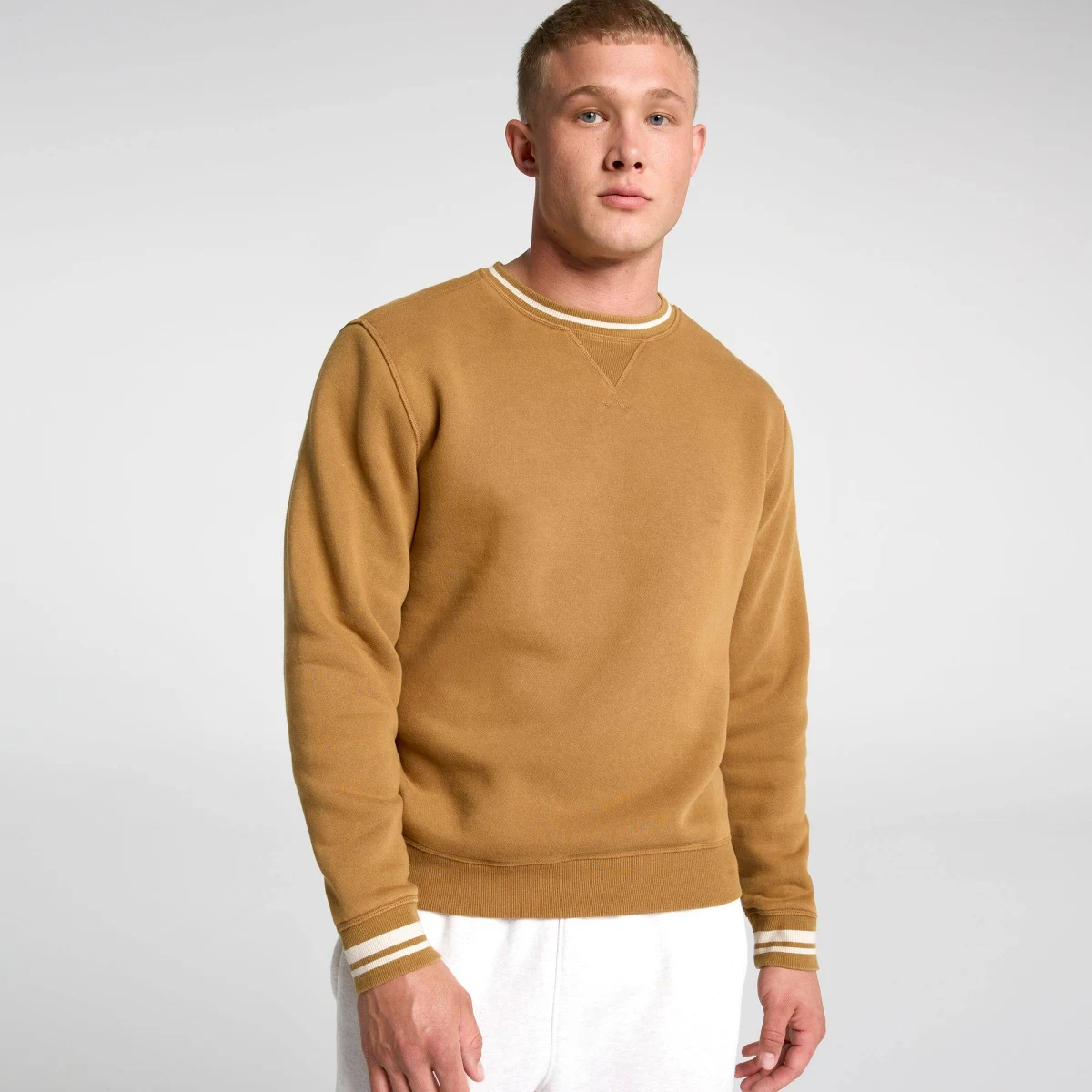
Choosing the right sweatshirt size is about more than just picking a label on a hanger. A good fit affects comfort, warmth, appearance, and how often you actually wear the garment. Many men buy sweatshirts that are too large for layering or too small to feel comfortable, only to find they sit unused in the wardrobe. If you are comparing styles online, such as a men sweatshirt, understanding fit and measurements before buying can save time and reduce the chance of disappointment.
In the UK, sizing can vary between brands, and terms such as regular fit, slim fit, oversized, and relaxed fit are not always used consistently. That is why it helps to look beyond the letter or number on the label and consider the garment’s chest width, sleeve length, body length, and intended use. Whether you want something for layering in winter, lounging at home, or wearing with jeans for everyday use, the right size makes all the difference.
Key points
-
Always check chest, sleeve, and body measurements rather than relying only on the size label.
-
Think about how you plan to wear the sweatshirt, as layering needs more room than a fitted casual look.
-
Different brands can size clothing differently, so compare against a garment you already own and like.
-
Fabric type affects how a sweatshirt fits, especially if it contains cotton, fleece, or stretch fibres.
-
A sweatshirt should allow movement without looking baggy or feeling restrictive.
Why sweatshirt size matters
A sweatshirt may seem like a simple piece of clothing, but the fit affects both function and style. If it is too tight, the fabric can pull across the chest, shoulders, or underarms, making movement uncomfortable. If it is too loose, it can look untidy and may not trap warmth effectively, particularly around the wrists and hem where heat loss matters most.
For everyday wear, the ideal sweatshirt should sit neatly on the body while still leaving enough room for comfort. It should not ride up when you lift your arms, and the sleeves should not cover your hands unless that is the intended style. A well-sized sweatshirt can also improve confidence, since clothes that fit properly tend to look more polished and intentional.
How men’s sweatshirt sizes are usually measured
Chest measurement
The chest is the most important measurement for a sweatshirt. It usually determines whether the garment will feel comfortable across the upper body. To measure yourself, wrap a tape measure around the fullest part of your chest, keeping it level and not too tight. Compare this measurement with the brand’s size guide, as small differences can affect the fit significantly.
Sleeve length
Sleeves should extend to the wrist bone without bunching excessively. If they are too short, they can make the sweatshirt look awkward, especially when worn on its own. If they are too long, they may feel bulky under a jacket. Sleeve length is especially important for taller men, whose arms may require a longer cut even when the chest size is correct.
Body length
The length of the sweatshirt matters more than many people realise. A sweatshirt that is too short can expose the waistband when you move, while one that is overly long may look more like a tunic than a casual top. A good rule is that the hem should sit around the hip area, giving enough coverage without overwhelming your frame.
Understanding different fits
Regular fit
A regular fit is the safest choice for most men. It offers a balanced shape that is neither too close nor too loose. This fit works well for daily wear and is usually the easiest to layer over a T-shirt. If you are unsure about sizing, regular fit is often the best starting point.
Slim fit
Slim fit sweatshirts sit closer to the body and create a neater outline. They can look smart when paired with fitted trousers or jeans, but they may feel restrictive if you prefer extra room. Men with broader shoulders or a larger build may need to size up to avoid tightness across the chest and upper arms.
Relaxed or oversized fit
Relaxed and oversized sweatshirts are designed with more space through the body and sleeves. These styles can be comfortable and fashionable, but they need to be chosen carefully. If the garment is too large, it may appear shapeless rather than intentionally loose. The key is proportion, not simply buying the biggest size available.
Factors that affect the right size
Fabric composition
Material changes how a sweatshirt fits. Cotton tends to soften and may shrink slightly after washing if not pre-shrunk. Fleece-lined sweatshirts often feel bulkier, while blends with polyester or elastane may offer more stretch. Always check the fabric label, especially if you want a sweatshirt that will hold its shape over time.
Layering needs
If you plan to wear your sweatshirt over a T-shirt or under a coat, allow room for that extra layer. A sweatshirt bought for winter layering may need to be slightly larger than one worn alone. On the other hand, if you want a clean casual look, a closer fit may work better.
Body shape and proportions
Not all men are built the same way, so the same size will not suit everyone. A man with broad shoulders and a narrow waist may need a different cut from someone with a straight torso or a larger midsection. The best sweatshirt size is the one that balances the shoulders, chest, and waist without pulling or hanging awkwardly.
How to choose the right size at home
Before buying, measure a sweatshirt you already own and like. Lay it flat on a table and measure the chest width, sleeve length, and body length. Compare those figures to the size chart of the sweatshirt you are considering. This is often more accurate than relying on your usual clothing size alone.
It also helps to think about how the sweatshirt feels when you sit, bend, and reach. A good fit should remain comfortable in movement, not just when standing still. If you often wear watches, bracelets, or thicker layers underneath, allow a little extra room at the wrist and cuff area.
Common sizing mistakes to avoid
-
Buying based only on the label without checking actual measurements.
-
Ignoring sleeve length, especially if you are taller than average.
-
Choosing a size too small for layering.
-
Assuming all brands use the same sizing system.
-
Overcompensating by buying several sizes larger, which can create a sloppy fit.
What to look for in a well-fitting sweatshirt
A well-fitting sweatshirt should sit comfortably across the shoulders, with seams aligning close to the edge of the shoulder rather than dropping far down the arm. The chest should allow movement without pulling buttons, zips, or stitching. The hem should rest naturally at the hips, and the sleeves should finish at the wrist without needing to be pushed up repeatedly.
It should also suit your purpose. For casual wear, a slightly looser fit may feel more relaxed. For a neater appearance, a regular or slim fit may be better. The aim is to find a sweatshirt that complements your frame and supports how you actually dress.
Conclusion
When buying a men’s sweatshirt, size matters because it influences comfort, appearance, and practicality. The best fit depends on your chest, shoulders, sleeve length, body length, and how you intend to wear the garment. Rather than relying on the size label alone, compare measurements, consider the fabric, and think about whether you want a fitted, regular, or relaxed shape.
A little attention to sizing can make a sweatshirt far more useful and far more likely to become a regular part of your wardrobe. With the right fit, it will feel comfortable throughout the day, look better on your frame, and work more effectively in different settings and seasons.
FAQ
How do I know if a sweatshirt is the right size?
It should feel comfortable across the chest and shoulders, allow easy movement, and sit at a sensible length on your body. The sleeves should end at the wrist, and the hem should not ride up when you move.
Should I size up in a sweatshirt?
Only if you want a looser fit or need extra room for layering. Sizing up too much can make the sweatshirt look oversized in a way that is not intentional.
Do men’s sweatshirts shrink after washing?
Some do, especially if they are made from cotton and not pre-shrunk. Always check the care label and wash according to the instructions to reduce the risk of shrinkage.
What is the best fit for everyday wear?
A regular fit is usually the most versatile for everyday use. It offers enough room for comfort while still looking tidy with jeans, joggers, or casual trousers.
Why do different brands fit differently?
Brands use different pattern shapes, fabric weights, and sizing standards. That is why it is important to check measurements each time rather than assuming your usual size will always work.
Can I use a size guide to buy online confidently?
Yes, as long as you compare the guide with your own measurements or with a sweatshirt you already own. This is one of the most reliable ways to avoid ordering the wrong size.

 English
 Arabic
 French
 Spanish
 Portuguese
 Deutsch
 Turkish
 Dutch
Dutch
 Italiano
 Romaian
 Portuguese (Brazil)
 Greek
Greek