


Yoga Squat Pose for Beginners: A Complete Guide to Building Strength, Flexibility, and Balance
Yoga is a beautiful journey that connects the body, mind, and breath. Among the many foundational postures in yoga, the Yoga squat pose for beginners is one of the most beneficial and accessible poses to practice. Known for improving flexibility, strengthening the lower body, and supporting healthy posture, this pose is ideal for anyone beginning their yoga journey.
The yoga squat pose, often called Malasana or Garland Pose, may look simple at first glance, but it offers deep physical and mental benefits. It helps open the hips, stretch the ankles, strengthen the legs, and improve balance. Beginners especially benefit from this posture because it builds mobility in areas that often become stiff due to prolonged sitting and inactive lifestyles.
In this detailed guide, you will learn everything about the Yoga squat pose for beginners, including its benefits, proper alignment, modifications, mistakes to avoid, breathing techniques, and how to safely include it in your daily yoga routine.
What Is the Yoga Squat Pose?
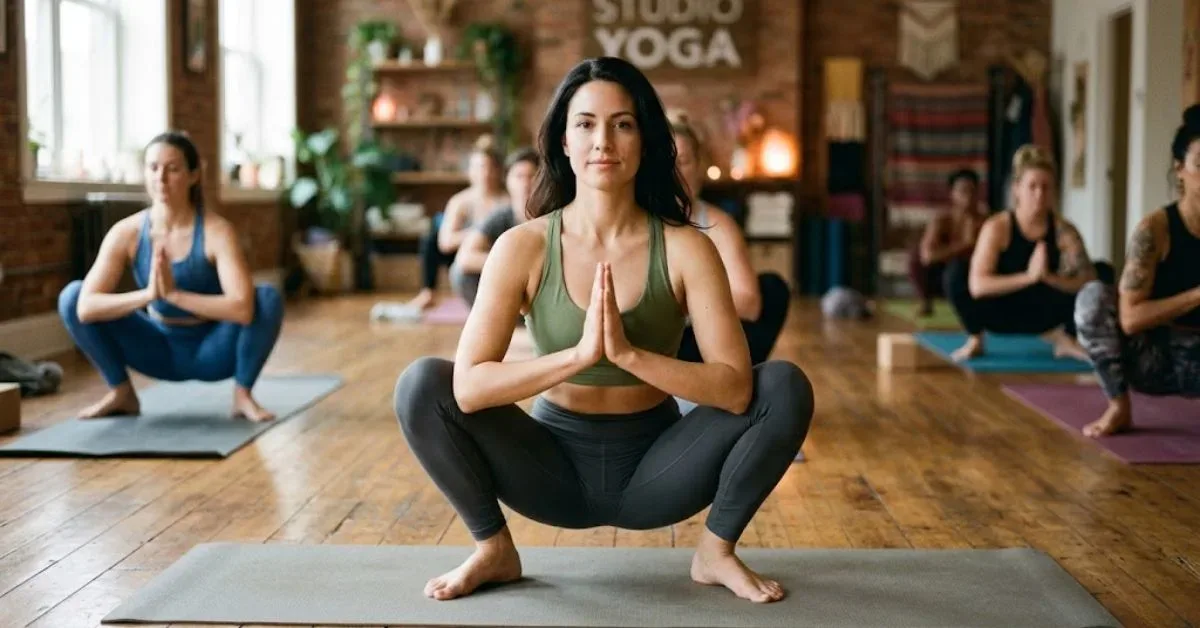
The yoga squat pose, or Malasana, is a deep squatting posture commonly practiced in yoga. In Sanskrit, “Mala” means garland, and the posture resembles a garland hanging gracefully. This pose involves squatting deeply with the feet grounded, the hips lowered toward the floor, and the hands joined in a prayer position at the chest.
For beginners, this pose may initially feel challenging because modern lifestyles often reduce natural hip and ankle mobility. However, with consistent practice, the body gradually adapts and becomes more comfortable in the posture.
The Yoga squat pose for beginners is not about achieving perfection instantly. Instead, it focuses on slowly developing strength, flexibility, and awareness.
Benefits of Yoga Squat Pose for Beginners
Practicing the yoga squat pose regularly provides numerous physical and mental benefits. Here are some of the most important advantages:
1. Opens the Hips
One of the biggest benefits of this pose is improved hip flexibility. Tight hips are common among people who sit for long hours. The yoga squat gently stretches and opens the hip joints.
2. Strengthens the Lower Body
This pose activates the thighs, calves, ankles, and core muscles. Over time, it helps build strength and endurance in the lower body.
3. Improves Digestion
The compression created in the abdominal area stimulates digestive organs and may help improve digestion and bowel movements.
4. Enhances Balance and Stability
Balancing in a deep squat teaches body awareness and coordination. Beginners develop stronger balance through consistent practice.
5. Supports Better Posture
The yoga squat pose encourages an upright spine and chest opening, which can help correct poor posture habits.
6. Increases Ankle Mobility
Flexible ankles are essential for many yoga poses and everyday movements. This posture stretches and strengthens the ankles effectively.
7. Reduces Stress
Like many yoga poses, deep breathing in the squat position helps calm the nervous system and reduce mental tension.
How to Practice Yoga Squat Pose for Beginners
Follow these simple step-by-step instructions to safely practice the pose.
Step 1: Start in Standing Position
Stand with your feet slightly wider than hip-width apart. Turn your toes slightly outward for better balance.
Step 2: Lower Into a Squat
Slowly bend your knees and lower your hips toward the floor. Try to keep your heels grounded.
Step 3: Bring Hands Together
Place your palms together in a prayer position at the center of your chest.
Step 4: Lengthen the Spine
Lift your chest and keep your spine long. Avoid rounding your back.
Step 5: Press Elbows Against Knees
Gently press your elbows into the inner knees to deepen the hip stretch.
Step 6: Focus on Breathing
Take slow, deep breaths while holding the posture for 30 seconds to 1 minute.
Step 7: Release Slowly
To come out of the pose, place your hands on the floor and slowly rise back to standing.
Beginner Tips for Practicing Yoga Squat Pose
The Yoga squat pose for beginners becomes easier with patience and mindful practice. Here are some helpful beginner-friendly tips:
Use a Yoga Block
If your heels lift off the floor, place a folded blanket or yoga mat under them for support.
Don’t Force the Pose
Avoid pushing your hips too low if it feels uncomfortable. Work gradually within your comfort range.
Keep the Spine Straight
Many beginners round the back during squats. Focus on lifting the chest and maintaining spinal alignment.
Practice Daily
Even practicing for a few minutes every day can improve flexibility and mobility over time.
Breathe Naturally
Never hold your breath in the posture. Deep breathing helps relax the muscles and improve stability.
Common Mistakes to Avoid
Beginners often make small alignment mistakes while learning the pose. Avoid these common errors:
1. Lifting the Heels
When the heels rise off the floor, balance becomes unstable. Use support under the heels if necessary.
2. Rounding the Back
A rounded spine reduces the effectiveness of the pose. Keep the chest open and spine tall.
3. Knees Collapsing Inward
Ensure the knees move outward in line with the toes to protect the joints.
4. Holding the Breath
Breathing deeply helps the body relax into the posture safely.
5. Forcing Flexibility
Flexibility develops gradually. Never force your body into discomfort or pain.
Modifications for Beginners
Every body is different, and modifications can make the pose more accessible.
Supported Squat
Place a yoga block, cushion, or folded blanket under your hips for support.
Wall Support
Practice with your back against a wall to improve balance and posture.
Heel Support
Use a rolled towel under the heels if ankle flexibility is limited.
These adjustments make the Yoga squat pose for beginners safer and more comfortable.
Advanced Variations to Explore Later
Once beginners become comfortable with the basic posture, they can gradually explore advanced versions.
Twisting Squat
Add a gentle spinal twist while maintaining the squat position.
Bound Garland Pose
Wrap the arms around the legs and clasp the hands behind the back.
Dynamic Squat Flow
Move in and out of the squat rhythmically with the breath.
These variations should only be attempted after mastering the basic pose.
Breathing Techniques During the Pose
Breathing is an essential part of yoga practice. Proper breathing enhances the benefits of the pose.
Inhale
Lengthen the spine and expand the chest.
Exhale
Relax the hips and gently deepen the squat.
Deep breathing calms the mind and helps the muscles release tension naturally.
Who Should Practice Yoga Squat Pose?
The Yoga squat pose for beginners is suitable for many people, including:
-
Beginners starting yoga
-
Office workers with tight hips
-
Athletes improving mobility
-
Seniors maintaining flexibility
-
Individuals seeking better posture
However, people with knee injuries, severe ankle pain, or hip problems should consult a qualified yoga teacher or healthcare professional before practicing.
How Long Should Beginners Hold the Pose?
Beginners can start by holding the pose for 15 to 30 seconds. As flexibility and strength improve, the duration can gradually increase to one minute or longer.
Consistency matters more than duration. Short daily practice is more effective than occasional long sessions.
Best Time to Practice Yoga Squat Pose
You can practice the pose at different times of the day depending on your routine.
Morning Practice
Morning yoga squats help awaken the hips and improve circulation.
Evening Practice
Practicing in the evening helps release tension built up from sitting or standing all day.
Before Meditation
The pose opens the hips and encourages grounding, making it useful before seated meditation.
Combining Yoga Squat Pose with Other Beginner Poses
The yoga squat works well with other beginner-friendly yoga poses.
Cat-Cow Pose
Helps warm up the spine before squatting.
Downward Dog
Stretches the calves and ankles.
Child’s Pose
Provides relaxation after the squat.
Mountain Pose
Improves posture and grounding.
Practicing these poses together creates a balanced beginner yoga sequence.
Mental Benefits of Yoga Squat Pose
Yoga is not only physical; it also supports emotional well-being.
Encourages Patience
The pose teaches beginners to respect their body’s limitations.
Improves Focus
Balancing and breathing mindfully increases concentration.
Promotes Grounding
The connection between the feet and floor creates a sense of stability and calmness.
Why Consistency Matters
The Yoga squat pose for beginners may feel difficult initially, especially if the hips and ankles are tight. However, regular practice creates gradual improvement.
Over time, beginners notice:
-
Increased flexibility
-
Better balance
-
Stronger legs
-
Improved posture
-
Greater body awareness
Yoga is a process, and every small improvement matters.
Final Thoughts
The Yoga squat pose for beginners is one of the most effective postures for building strength, flexibility, and body awareness. Although it may seem challenging at first, consistent practice helps the body adapt naturally.
This foundational yoga posture supports healthy hips, strong legs, improved digestion, and better posture while also calming the mind. Beginners should focus on proper alignment, gentle breathing, and gradual progress instead of forcing the pose.
Whether you are completely new to yoga or returning after a break, adding the yoga squat pose to your daily routine can transform your flexibility, stability, and overall well-being. With patience and mindful practice, this simple yet powerful pose can become an essential part of your yoga journey.

 English
 Arabic
 French
 Spanish
 Deutsch
 Turkish
 Dutch
Dutch
 Italiano
 Russian
 Romaian
 Portuguese (Brazil)
 Greek
Greek