


What are water welders, and how Do they work?
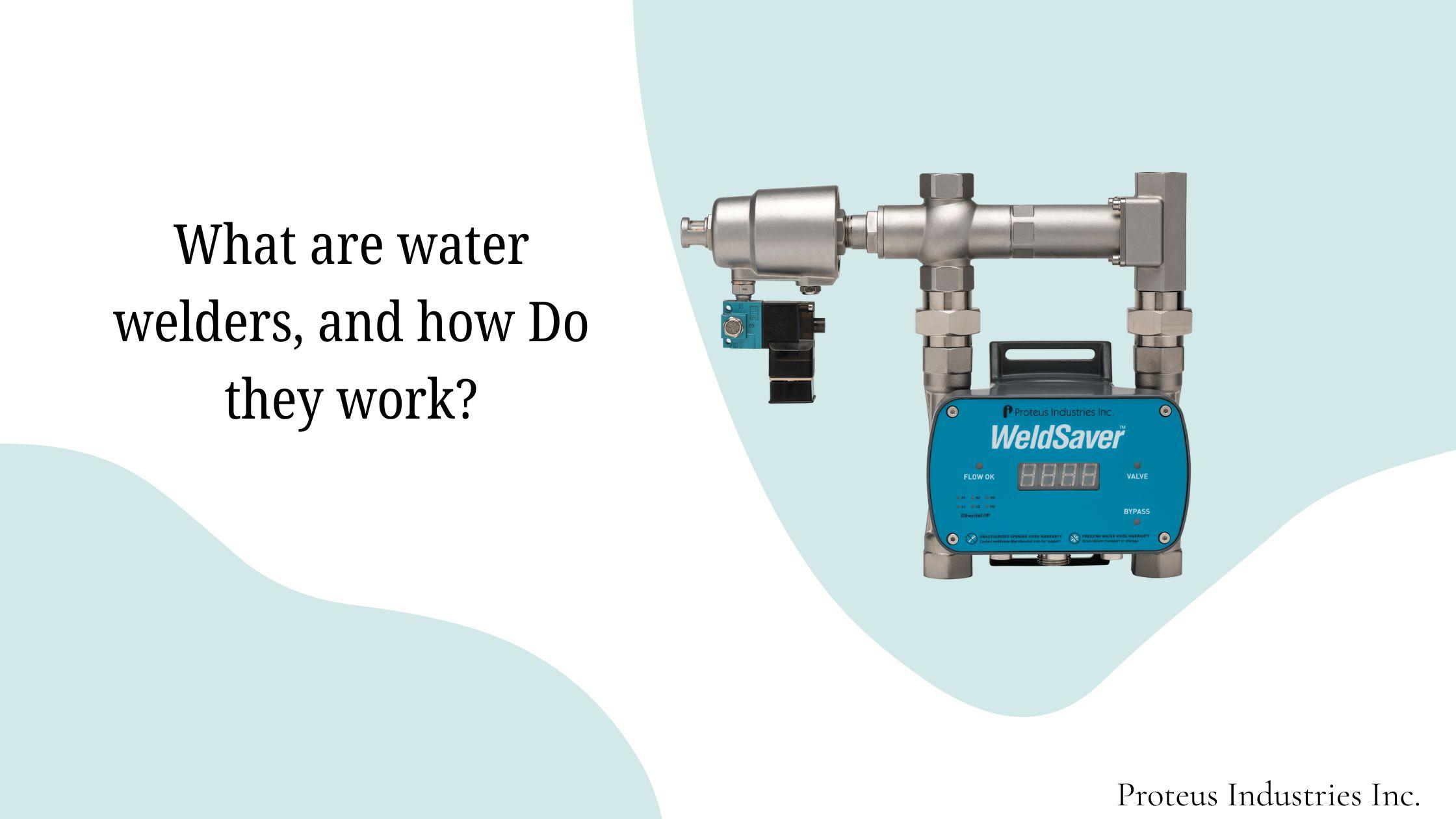
In the world of modern welding technology, innovations continue to emerge that enhance efficiency, safety, and the longevity of equipment. One such advancement that has revolutionised welding operations is the water welder system. Water welders, also known as water-cooled welding systems, represent a sophisticated approach to managing the intense heat generated during welding processes. These systems have become increasingly essential in industrial settings where continuous, high-amperage welding operations demand superior cooling capabilities to maintain optimal performance and extend equipment lifespan.
Understanding Water Welders
Water welders are specialised welding systems that utilise circulating water to cool welding equipment, particularly welding torches and cables that experience extreme thermal stress during operation. Unlike air-cooled systems that rely on ambient air circulation, water-cooled systems employ a closed-loop water circulation system that actively removes heat from critical components. This technology is particularly valuable in applications requiring sustained welding at high amperages, where conventional cooling methods prove inadequate.
The core principle behind water welders is straightforward yet ingenious: water, with its exceptional heat-absorbing properties, circulates through specially designed channels within the welding torch and cables, absorbing the tremendous heat generated during the welding arc. This heated water then flows back to a cooling unit, where it releases the absorbed heat before being recirculated through the system.
The Mechanics of Water Welder Operation
The operational framework of a water welder system includes several interconnected components that work in harmony. At the heart of the system lies the water cooler or recirculator unit, which houses a radiator, a cooling fan, a water pump, and a reservoir. This unit maintains the water at optimal temperatures, typically between 60°F and 80°F, ensuring consistent cooling performance.
When a welder initiates the welding process, the electric arc generates temperatures exceeding 10,000 degrees Fahrenheit at the welding point. This extreme heat rapidly transfers to the welding torch and cables. Simultaneously, the water pump activates, propelling coolant through insulated hoses connected to the torch. The water flows through precisely engineered passages within the torch body and handle, absorbing heat before returning to the cooling unit through a return hose.
Inside the cooling unit, the heated water passes through a radiator where heat dissipates into the surrounding air, assisted by powerful fans. The cooled water then returns to the reservoir, ready to complete another cooling cycle. This continuous circulation prevents the welding equipment from overheating, which could otherwise lead to premature failure, reduced performance, or safety hazards.
Key Components of Water Welder Systems
The Cooling Unit: This central component houses all essential elements, including the pump, radiator, reservoir, and control systems. Modern units feature digital displays, temperature sensors, and flow indicators that provide real-time monitoring of system performance.
Water-Cooled Torch: Engineered with internal channels that allow coolant to flow through the torch body, these specialised torches can handle significantly higher amperage ratings than their air-cooled counterparts, often supporting operations from 300 to 600 amperes or more.
Coolant Lines: Heavy-duty, flexible hoses designed to withstand industrial environments carry coolant to and from the torch. These lines are typically insulated to prevent heat loss and condensation.
Coolant Solution: Most systems use a mixture of water and coolant additives that prevent corrosion, inhibit algae growth, and may include antifreeze properties for operations in varying temperature environments.
Advantages of Water Welder Systems
The benefits of implementing water welder technology in welding operations are substantial and multifaceted. First and foremost, these systems enable continuous high-amperage welding without the risk of equipment overheating. This capability directly translates into increased productivity, as welders can maintain consistent arc times without requiring mandatory cool-down periods.
Equipment longevity represents another significant advantage. By maintaining optimal operating temperatures, water welders dramatically reduce thermal stress on torches, cables, and other components, extending their service life considerably. This extended lifespan results in lower replacement costs and reduced downtime for equipment maintenance.
Operator comfort and safety also improve significantly with water-cooled systems. The torch handle remains substantially cooler during operation, reducing fatigue and allowing welders to maintain better control and precision throughout extended welding sessions. This enhanced comfort contributes to higher-quality welds and improved workplace safety.
Furthermore, water welders support the use of smaller, more flexible torch designs even at high amperages. Since water cooling is more efficient than air cooling, manufacturers can design more ergonomic, lightweight torches that reduce operator strain without sacrificing power or performance.
Applications and Industry Use
Water welder systems are widely used across various industries where heavy-duty welding is a standard practice. Manufacturing facilities engaged in structural steel fabrication, shipbuilding, automotive production, and heavy equipment manufacturing rely heavily on these systems. The aerospace industry also utilises water-cooled welding for precision work on high-performance materials.
Pipeline welding, particularly for large-diameter pipes used in oil, gas, and water transportation infrastructure, benefits enormously from the sustained high-amperage capabilities that water welders provide. Similarly, maintenance and repair operations in power generation facilities, chemical plants, and refineries depend on these systems for critical welding applications.
Maintenance and Best Practices
Maintaining a water welder system requires regular attention to ensure optimal performance and longevity. Operators should routinely check coolant levels and quality, replacing the coolant solution according to manufacturer recommendations. Inspecting hoses and connections for leaks, wear, and damage helps prevent system failures and maintain optimal cooling efficiency.
Keeping the radiator clean and ensuring unobstructed airflow around the cooling unit maximises heat dissipation. Additionally, monitoring system pressure and flow rates helps resolve possible issues before they escalate into costly repairs or unexpected downtime.
Conclusion
Water welders represent a critical advancement in welding technology, offering solutions to the thermal challenges inherent in high-performance welding operations. By efficiently managing heat through sophisticated water circulation systems, these tools enable welders to work longer, safer, and more productively while extending the life of expensive equipment. As industrial welding demands continue to evolve, water welder technology remains a vital asset for operations that require reliability, efficiency, and superior performance.

 Arabic
 French
 Spanish
 Portuguese
 Deutsch
 Turkish
 Dutch
Dutch
 Italiano
 Russian
 Romaian
 Portuguese (Brazil)
 Greek
Greek