


What Outdated Fire Protection Equipment Could Be Costing Your Business
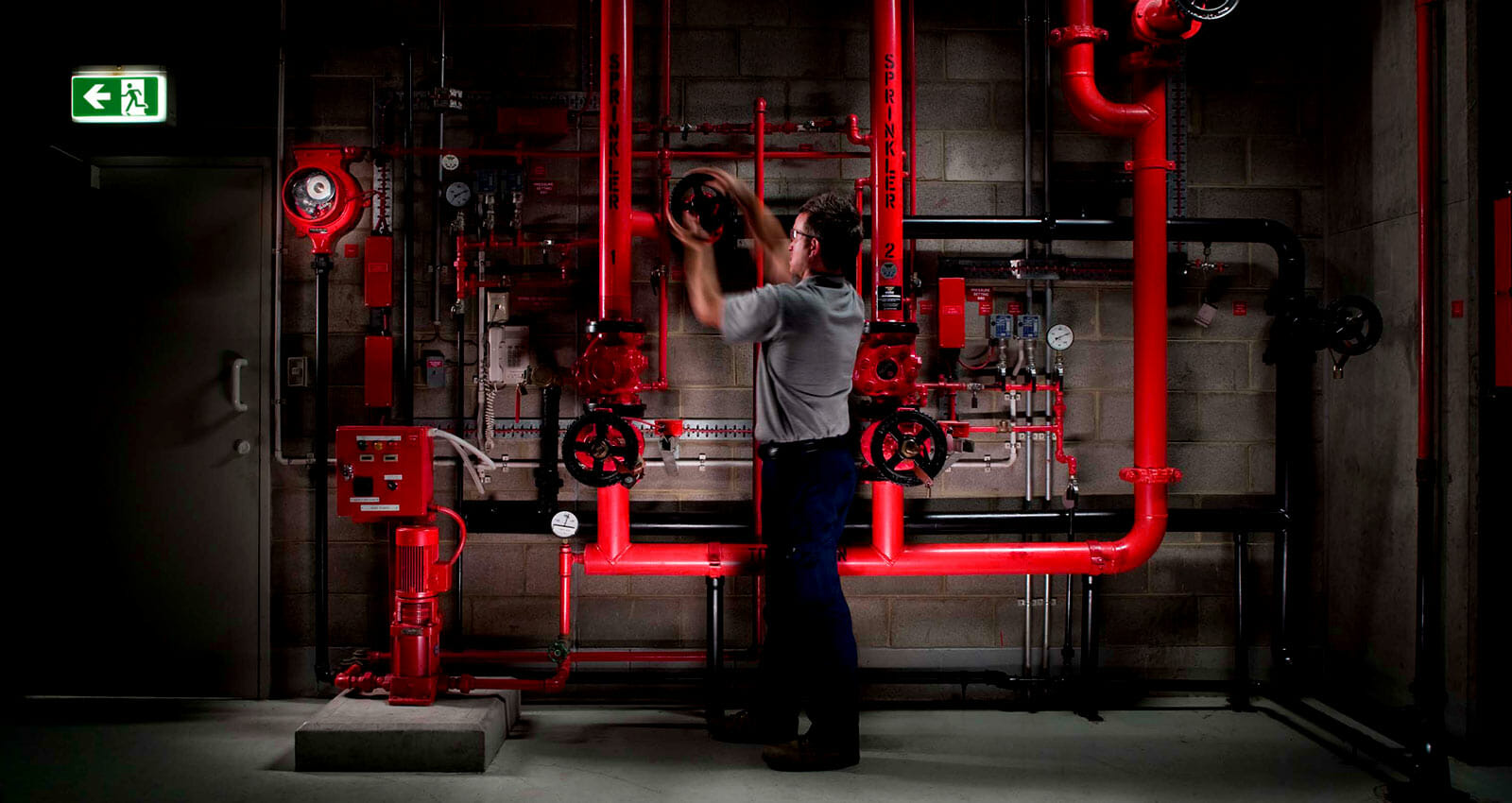
Managing a commercial property involves far more than keeping the lights on and handling maintenance requests. Property managers today are expected to balance tenant safety, operational efficiency, building compliance, and long-term risk management all at once.
As a result, fire protection equipment has become one of the most important areas of focus for many commercial buildings and facilities.
Whether it’s an office complex, retail center, apartment building, warehouse, or mixed-use property, fire safety systems now play a much larger role in overall building management than they did years ago. Property owners and managers are recognizing that preparation and prevention can make a major difference when unexpected emergencies occur.
Fire Safety Impacts More Than Just Emergencies
Many people think about fire protection equipment only in worst-case scenarios, but its importance goes far beyond responding to fires themselves.
Reliable safety systems help create confidence for tenants, employees, visitors, and building staff. Knowing that alarms, sprinklers, extinguishers, and emergency systems are properly maintained contributes to a stronger sense of safety throughout the property.
For commercial buildings especially, safety expectations continue to rise. Tenants increasingly want reassurance that the properties they occupy are professionally maintained and prepared for emergencies.
Fire protection systems are now viewed as part of responsible property management rather than simply another maintenance requirement.
Older Buildings Often Need Extra Attention
Many commercial properties operate in older buildings that were designed decades ago under different safety standards.
While older structures may offer charm or historical value, they sometimes require upgrades to keep fire protection systems reliable and compliant with modern expectations.
Outdated alarms, aging sprinkler systems, insufficient coverage areas, or older electrical infrastructure can all increase risk over time if not properly evaluated.
Property managers frequently face the challenge of balancing modernization with ongoing building operations. This often requires careful planning to ensure fire protection equipment continues functioning effectively while minimizing disruptions for tenants.
Regular inspections become especially important in older facilities where unnoticed issues may develop gradually.
Small Problems Are Easy to Ignore Until They Aren’t
One challenge with fire safety is that problems are not always obvious right away.
A blocked sprinkler head, expired extinguisher, malfunctioning alarm component, or damaged emergency light may go unnoticed during normal business operations. Yet during an emergency, even small failures can affect response times and overall safety.
Because these systems often remain unused for long periods, businesses sometimes underestimate the importance of ongoing testing and maintenance.
Routine inspections help identify these hidden problems before they create larger risks. In many cases, preventative maintenance is relatively simple compared to the complications that can arise after equipment failure during an actual emergency.
Different Properties Face Different Risks
No two commercial buildings operate exactly the same way, which means fire protection needs can vary significantly depending on the environment.
A warehouse storing large amounts of inventory faces very different risks compared to a medical office, restaurant, manufacturing facility, or residential property.
For example, kitchens may require specialized suppression systems designed to handle grease fires, while industrial spaces might need advanced detection equipment around machinery and electrical systems.
Understanding the specific risks within a property helps determine what type of fire protection equipment is most effective.
This customized approach is becoming increasingly common as businesses focus more on practical safety planning rather than generic solutions.
Employee and Tenant Awareness Still Matters
Even advanced fire protection systems work best when people understand basic emergency procedures.
Property managers often play an important role in making sure tenants, employees, and building staff know evacuation routes, emergency contacts, and safety protocols.
Simple communication can improve preparedness significantly. Clear signage, updated emergency maps, periodic drills, and basic safety reminders help people respond more calmly and efficiently if emergencies occur.
Preparedness is not only about equipment inside walls and ceilings it’s also about helping people feel informed and ready to act when needed.
Technology Is Making Fire Safety Smarter
Modern fire protection equipment has become much more advanced in recent years.
Many systems now include smart monitoring technology capable of detecting issues earlier and providing real-time alerts. Integrated systems can communicate directly with emergency monitoring services, helping reduce delays during emergencies.
Some buildings now use monitoring platforms that track inspection schedules, equipment performance, and maintenance needs digitally. This helps property managers stay organized while reducing the chances of missed inspections or overlooked repairs.
Technology is also helping businesses respond more quickly to system problems before they affect building safety.
Fire Safety Is Becoming Part of Long Term Planning
Commercial property owners increasingly view fire safety as part of broader operational planning rather than just an isolated maintenance task.
Reliable Fire Protection Equipment helps protect not only physical buildings but also tenant relationships, business continuity, employee safety, and financial stability.
A well maintained property with dependable safety systems often experiences fewer disruptions and provides greater peace of mind for everyone using the space.
As commercial properties continue evolving, proactive fire safety planning is becoming a standard expectation rather than an afterthought.
A Safer Building Starts With Consistency
Fire protection is rarely about one major decision. More often, it involves consistent attention over time regular inspections, updated equipment, ongoing maintenance, and clear communication.
Businesses and property managers who stay proactive about these responsibilities are often better prepared to handle unexpected situations while minimizing risks for occupants and operations.
In today’s environment, dependable fire protection equipment remains one of the most important investments a commercial property can maintain for long-term safety and stability.
📍 Visit: Fire Protection Equipment Co --- 2020 Broadway St NE ste 100, Minneapolis, MN 55413
📞 Call: (800) 450-2885

 English
 Arabic
 French
 Spanish
 Portuguese
 Deutsch
 Turkish
 Dutch
Dutch
 Russian
 Romaian
 Portuguese (Brazil)
 Greek
Greek