


Semi Truck Tarps: The Smart Way to Protect Cargo on Every Haul
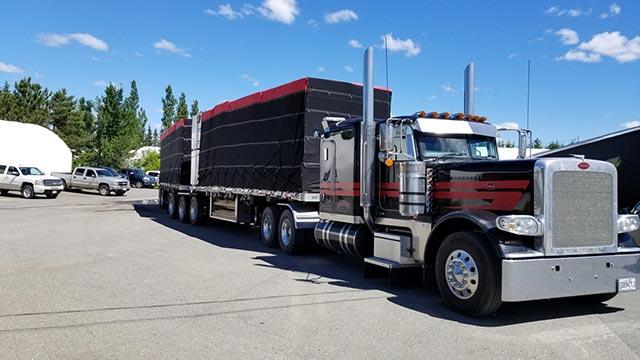
Every trucking job comes with a different kind of cargo, weather condition, and road challenge. Whether you are hauling lumber, steel, machinery, or construction materials, keeping freight protected is essential for safe transportation and customer satisfaction. High-quality tarps help truck drivers reduce cargo damage, improve road safety, and meet transportation regulations while traveling long distances.
For drivers and fleet owners, picking strong semi truck tarps can really improve daily work. Quality tarps shield freight from rain, sun, wind, dirt, and debris, keeping loads safe during transport. Many trucking pros choose waterproof vinyl, mesh, or heavy-duty polyethylene tarps because they hold up well under tough conditions and frequent use.
Why Semi Truck Tarps Matter
Truck tarps do more than just cover cargo. They help keep freight safe and make transportation more efficient. Without the right tarp, cargo can shift, get damaged, or even cause problems for other drivers.
Today’s truck tarps come with reinforced hems, D-rings, heat-sealed seams, and weather-resistant materials. These features help drivers keep loads secure and cut down on wear and tear during long trips. Heavy-duty tarps are especially useful for flatbed trucks, where cargo is exposed the whole way.
Common Types of Truck Tarps
Different hauling jobs require different tarp styles. Choosing the right tarp depends on the type of cargo being transported.
Flatbed Tarps
Flatbed tarps are often used to cover lumber, steel, and large loads. They usually have several rows of D-rings for secure tie-downs and offer full weather protection.
Lumber Tarps
Lumber tarps have long side flaps to cover tall loads completely. They’re popular in construction and building supply work.
Steel Tarps
Steel tarps are smaller and heavier than lumber tarps. They work well for compact steel loads that need strong, secure coverage.
Coil Tarps
Coil tarps are made to protect steel coils during transport. They give targeted protection for heavy industrial loads.
Mesh Tarps
Mesh tarps are common for dump trucks and landscaping. They let air pass through and help keep loose materials like gravel or mulch in place.
Best Materials for Semi Truck Tarps
The material of a tarp affects how long it lasts, how flexible it is, and how well it works. Truckers usually pick tarp materials based on the weather and how often they haul.
Vinyl Tarps
Vinyl tarps are considered one of the toughest options available. They offer excellent waterproof protection, UV resistance, and long-term durability for heavy-duty hauling.
Poly Tarps
Poly tarps are light and affordable. They’re good for short-term use and lighter hauling jobs.
Canvas Tarps
Canvas tarps are breathable and help reduce moisture buildup. They are often used for loads that require ventilation.
Mesh Materials
Mesh tarps reduce wind resistance and are useful for transporting loose materials while maintaining airflow.
Features to Look for in a Quality Truck Tarp
Not all truck tarps are made alike. Buying a strong tarp can save you money on replacements and keep your cargo safer in the long run.
Important features include:
-
Reinforced stitching
-
Waterproof protection
-
UV-resistant materials
-
Heavy-duty D-rings
-
Heat-sealed seams
-
Tear resistance
-
Cold-weather flexibility
-
Strong tie-down points
Many truckers pick tarps with double-stitched hems and reinforced corners since they last longer in tough road conditions.
How Proper Tarps Improve Road Safety
Loose or uncovered cargo can be dangerous on highways. Strong tarps keep freight from shifting or falling during transport. Securing loads properly also helps drivers follow transportation rules.
Custom-fit tarps make loads more stable by cutting down on loose fabric while driving. This reduces wind drag and helps protect both your cargo and other vehicles.
Tips for Maintaining Truck Tarps
A well-maintained tarp lasts longer and performs better during daily use. Truck drivers can extend tarp life with proper care and storage.
Clean Tarps Regularly
Clean off dirt, chemicals, and debris after every haul to keep the tarp material from breaking down.
Store Tarps Properly
Keep tarps dry and rolled tightly when not in use. Moisture buildup can weaken tarp material over time.
Inspect for Damage
Look over seams, D-rings, and corners often to spot any tears or loose stitching.
Avoid Excessive Dragging
Dragging tarps on rough surfaces can damage them and make them wear out faster.
Choosing the Right Size Tarp
Picking the right tarp size is key to protecting your cargo. Tarps that are too big can flap and wear out fast, while small ones might not cover everything.
A lot of truckers use more than one tarp to cover big flatbed trailers. The size you need depends on your cargo’s height, trailer size, and what you’re hauling.
The Future of Truck Tarp Solutions
The trucking industry is changing with better materials and improved tarp systems. Lighter but tough fabrics are getting more popular since they’re easier to handle and still protect your cargo.
Semi-automatic tarp systems are becoming more common because they make things easier for drivers and cut down on manual work. They also save time when loading and unloading, and help keep everyone safe.
Final Thoughts
Reliable truck tarps are key for safe and efficient cargo transport. They protect freight from bad weather and help drivers meet safety rules, offering long-term value for both owner-operators and fleets.
Choosing the right tarp material, size, and design helps improve cargo protection, reduce maintenance costs, and support safer hauling operations across every mile of the journey.
If you need tough, reliable tarps for demanding jobs, check out our premium selection.

 English
 Arabic
 French
 Spanish
 Portuguese
 Deutsch
 Turkish
 Dutch
Dutch
 Italiano
 Russian
 Romaian
 Greek
Greek