


Factors That Affect Hair Regrowth in Alopecia Areata Cases
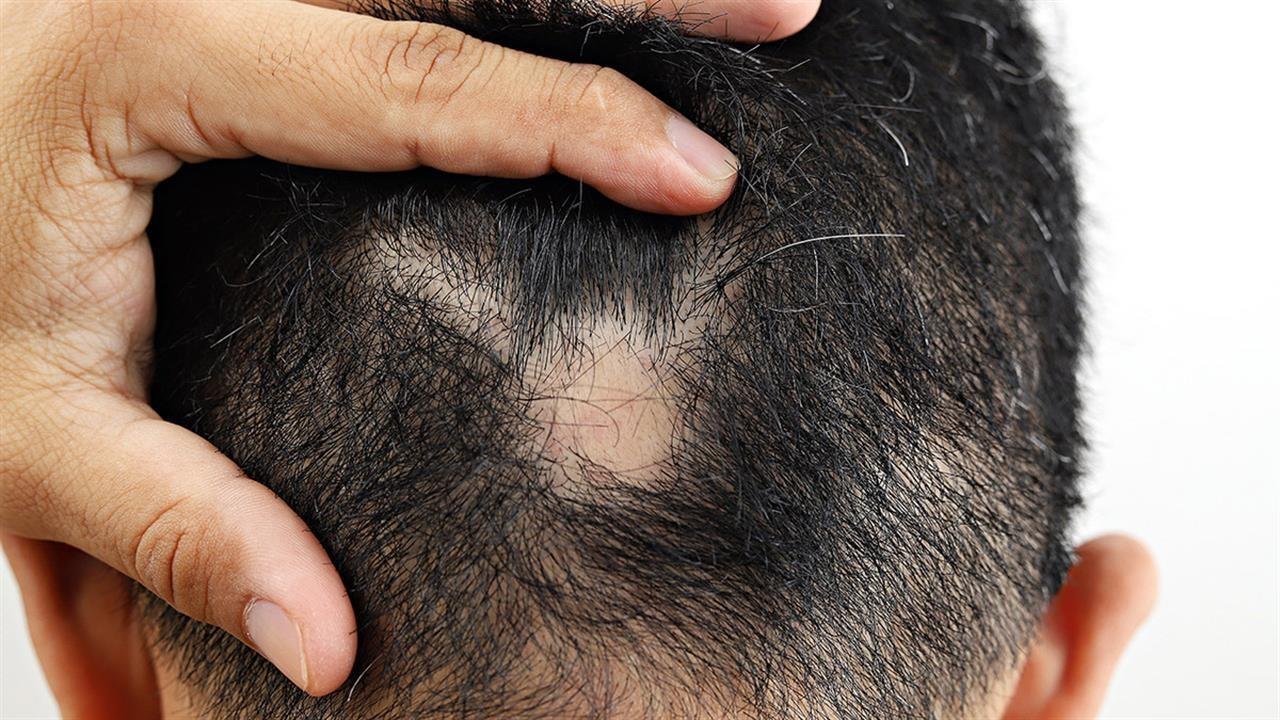
Alopecia areata is a complex autoimmune condition that affects hair follicles and leads to unpredictable hair loss patterns across the scalp and sometimes other areas of the body. The regrowth process in this condition is influenced by multiple internal and external variables that can either support recovery or delay visible improvement. Understanding these variables helps set realistic expectations and improves long-term management strategies. In many modern dermatological approaches, Alopecia Areata Treatment in Dubai is often discussed in the context of advanced, individualized care plans that take these influencing factors into account.
Immune System Activity and Follicle Sensitivity
The primary driver behind alopecia areata is immune system dysfunction, where the body mistakenly targets healthy hair follicles. The intensity of this immune response significantly affects regrowth outcomes. When inflammation around follicles is mild or intermittent, hair follicles may remain intact and capable of re-entering the growth phase. However, when immune activity is aggressive or persistent, follicles may remain dormant for longer periods.
Another important factor is follicle sensitivity. Not all follicles respond uniformly to immune attacks, which explains why some areas regrow hair faster than others. The balance between immune suppression and follicular recovery plays a central role in how quickly regrowth becomes visible and how stable that regrowth remains over time.
Extent and Pattern of Hair Loss
The severity and distribution of hair loss are strong predictors of regrowth potential. Small, localized patches of alopecia areata generally have a higher chance of regrowth compared to extensive or widespread involvement. When hair loss remains limited, follicles are more likely to retain structural integrity, which supports faster recovery.
The pattern of loss also matters. Patchy forms tend to respond more favorably than diffuse or rapidly progressing types. Ophiasis patterns, which affect the sides and lower back of the scalp, can be more resistant to regrowth due to the unique behavior of follicles in those regions. These variations highlight why regrowth timelines are rarely uniform across individuals.
Duration of Condition and Genetic Influence
The length of time a person has had alopecia areata plays a major role in determining hair regrowth outcomes. Shorter disease duration often correlates with better regrowth potential because follicles are less likely to have undergone prolonged dormancy. Chronic or long-standing cases may involve repeated cycles of loss and regrowth, which can weaken follicular responsiveness over time.
Genetic predisposition also contributes significantly to how the condition behaves. Individuals with a family history of autoimmune conditions may experience more persistent or recurrent episodes. Genetic factors can influence immune system behavior, follicular resilience, and even how the scalp responds to internal healing signals. Together, duration and genetics create a foundational framework that shapes the overall regrowth trajectory.
Stress Levels, Hormonal Balance, and Lifestyle Factors
Psychological stress is widely recognized as a key aggravating factor in alopecia areata. Stress can trigger inflammatory responses in the body, potentially intensifying autoimmune activity and disrupting the hair growth cycle. Elevated stress levels may also prolong the resting phase of hair follicles, delaying visible regrowth even when the immune response begins to stabilize.
Hormonal fluctuations further influence regrowth patterns. Changes in cortisol, thyroid hormones, and other regulatory systems can impact follicular cycling. Lifestyle habits such as sleep quality, physical activity, and daily stress management all contribute to hormonal balance and immune regulation.
Environmental stressors, including lack of rest and chronic fatigue, may also reduce the body’s ability to support optimal follicular recovery, making holistic lifestyle management an essential component in improving outcomes.
Nutrition, Scalp Health, and Follicular Environment
Nutritional status directly affects the body’s ability to regenerate healthy hair. Deficiencies in essential nutrients such as iron, zinc, vitamin D, and protein can slow regrowth or weaken newly formed hair strands. A balanced nutritional intake supports keratin production and strengthens follicular activity during recovery phases.
Scalp health is equally important. A clean, well-oxygenated scalp environment promotes better follicular function and reduces secondary inflammation. Excess oil buildup, irritation, or poor circulation can interfere with regrowth signals. When the scalp environment is stable, follicles are more likely to transition effectively from the resting phase back into active growth.
Together, nutrition and scalp condition form a biological foundation that supports consistent and healthier regrowth outcomes over time.
Regrowth Variability and Long-Term Management Considerations
Hair regrowth in alopecia areata is rarely linear. Many individuals experience cycles of partial regrowth followed by new patches of loss. This variability is influenced by immune fluctuations, environmental triggers, and internal physiological changes. Monitoring these changes over time helps in understanding personal response patterns and adjusting management strategies accordingly.
Consistency in care, combined with attention to underlying triggers, often leads to more stable regrowth phases. Patience is essential, as follicles may require extended periods before full visual improvement becomes apparent.
In contemporary dermatological discussions, Alopecia Areata Treatment is frequently associated with comprehensive approaches that consider immune behavior, lifestyle influences, and follicular health together, rather than treating hair regrowth as an isolated process.

 English
 Arabic
 French
 Spanish
 Portuguese
 Deutsch
 Dutch
Dutch
 Italiano
 Russian
 Romaian
 Portuguese (Brazil)
 Greek
Greek