


Shocking Truth Behind Mera Peak Climbing Deaths and High Altitude Risks
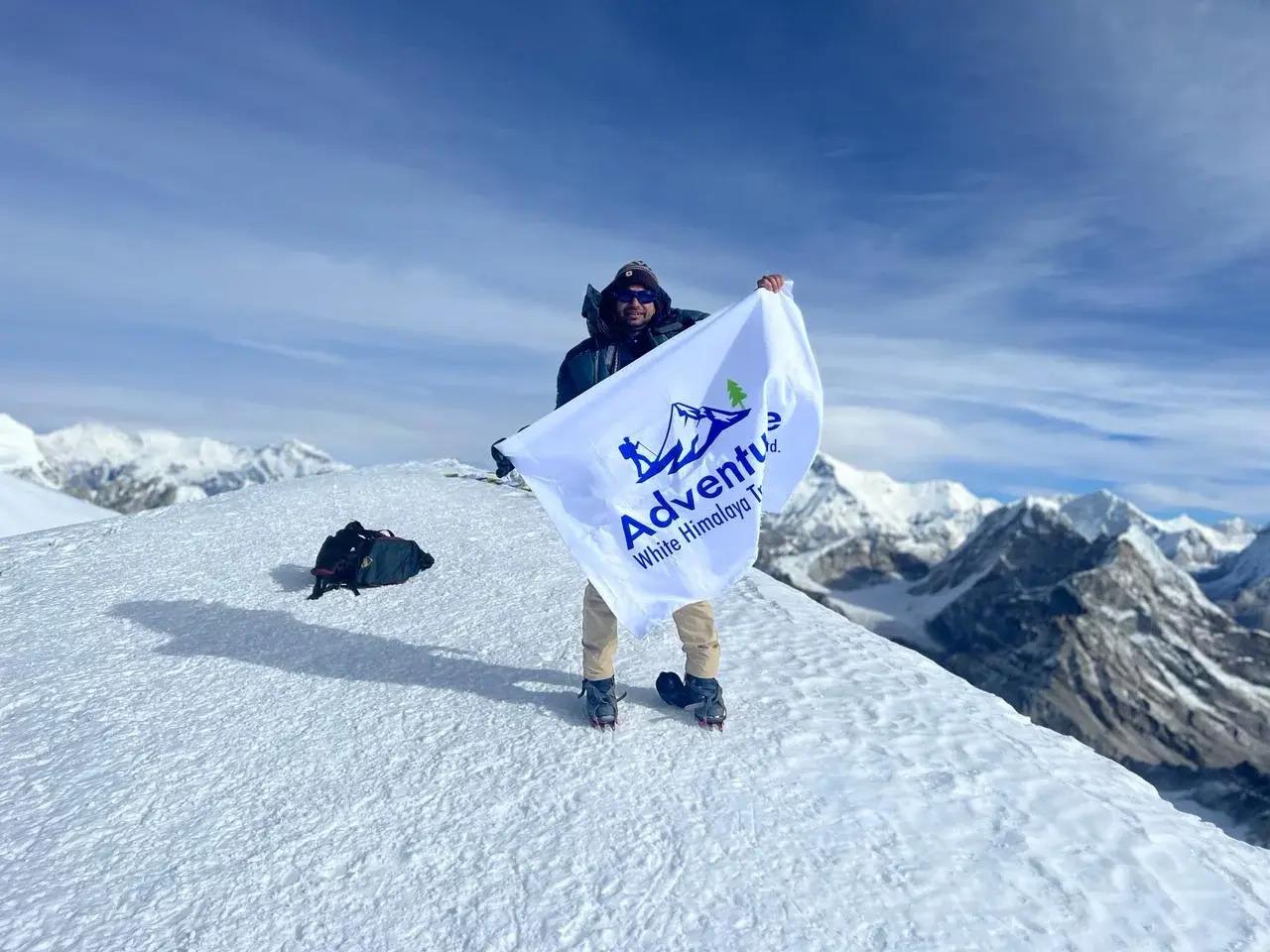
The cold wind was strong as we slowly walked higher into the snowy mountains of Nepal. Many people dream about climbing mera peak because it is known as one of the best beginner climbing peaks in the Himalayas. But behind the beautiful views and exciting adventure, there are also serious dangers. Every year, some climbers face sickness, injuries, and even death because of high altitude and bad weather. Adventure White Himalaya helps trekkers prepare safely for this journey with experienced guides, proper planning, and strong support from start to finish.
Why Mera Peak Looks Easy but Can Be Dangerous
Mera Peak stands at 6,476 meters above sea level. Many climbers think it is simple because it does not need advanced technical skills. But the real danger is not climbing technique. It is the thin air and high altitude.
As people go higher, oxygen becomes low. The body starts to struggle. Headache, nausea, and weakness can appear quickly. This condition is called altitude sickness. If ignored, it can turn very serious.
Some climbers also face extreme cold and sudden weather changes. Snowstorms and strong winds can make the climb very risky. Even strong trekkers can struggle in these conditions.
The Hidden Risks Behind Mera Peak Deaths
Most accidents on Mera Peak happen due to altitude sickness, poor planning, and fast climbing. Many trekkers try to go up too quickly without enough rest days. This does not give the body time to adjust.
Weather is another big danger. The mountain can change fast. A clear sky can turn into a storm in a few hours. This makes walking and climbing very dangerous.
Fatigue also plays a role. Long walking days, cold nights, and lack of sleep weaken the body. When the body is tired, mistakes happen more easily. In high mountains, small mistakes can become serious.
Important Facts About Mera Peak
The Mera Peak climbing journey usually takes around 15 to 18 days. The total trekking distance is about 120 to 130 kilometers, depending on the route. The highest point is the summit at 6,476 meters.
Most trekkers start from Lukla after a short flight. The route passes through Paiya, Panggom, Khare, and Mera High Camp before reaching the summit. Each step becomes colder and more challenging as altitude increases.
How Adventure White Himalaya Supports Safe Climbing
Adventure White Himalaya plays an important role in making Mera Peak climbing safer and more organized. Their experienced guides understand altitude risks and mountain conditions very well.
They help climbers move at a safe pace and include proper acclimatization days. They also arrange permits, accommodation, meals, transport, and climbing support. This reduces stress for trekkers so they can focus on the journey.
The guides also check health conditions regularly. If someone feels unwell, they suggest rest or descent immediately. This quick decision-making can prevent serious problems in the mountains.
Why Acclimatization Is the Key to Survival
Acclimatization means letting the body adjust to high altitude slowly. It is one of the most important safety rules in Himalayan climbing.
At places like Khare, climbers usually take rest days. They walk short distances, drink plenty of water, and eat properly. This helps the body build strength for higher altitude.
Ignoring acclimatization is one of the main reasons for climbing accidents. Slow and steady movement is always safer than rushing to the top.
Mental Strength in High Mountains
Climbing Mera Peak is not only physical. It also tests the mind. Cold weather, tired legs, and fear of altitude can make climbers feel stressed.
Some people lose confidence during the climb. But staying calm and focused helps a lot. Support from guides and teammates also makes a big difference.
A strong mind can help a climber continue even in tough conditions.
Respecting the Mountain Always
Mera Peak is one of the most beautiful climbing peaks in Nepal, but it must be respected. The mountain does not forgive careless decisions.
Safety should always come before the summit. Proper training, good planning, and professional guidance are very important for a safe climb.
Adventure White Himalaya continues to guide trekkers with care, experience, and support so they can enjoy the Himalayas safely. With the right preparation and respect for nature, Mera Peak becomes not just a climb, but a powerful life experience.

 English
 Arabic
 French
 Spanish
 Portuguese
 Deutsch
 Turkish
 Italiano
 Russian
 Romaian
 Portuguese (Brazil)
 Greek
Greek