


Can Moisturizers Cause Tiny Milia Bumps on the Face?
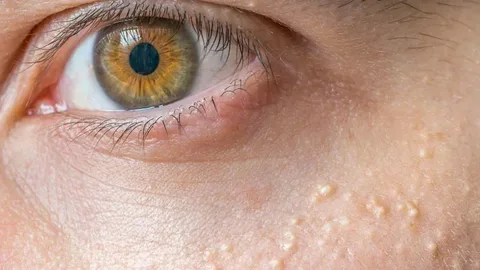
Milia are those tiny, stubborn white or skin-colored bumps that often appear on the face, especially around the eyes, cheeks, and nose. Many people notice them suddenly and wonder if their skincare routine is to blame. One of the most common concerns is whether daily moisturizers can actually trigger these small cysts. In discussions about skin health and solutions like Milia treatment in Dubai, this question comes up frequently because moisturizers are a core part of most skincare routines. Understanding the connection between hydration products and milia formation can help you make smarter choices for smoother, clearer skin.
What Are Milia Bumps?
Milia are small, hard cysts that form when keratin, a protein found in the skin, becomes trapped beneath the surface instead of naturally shedding. Unlike acne, milia are not caused by bacteria or inflammation. They are typically painless, do not come to a head, and cannot be popped easily.
Why Milia Form on the Skin
Milia develop when dead skin cells fail to exfoliate properly. This can happen due to:
-
Heavy or occlusive skincare products
-
Skin damage or irritation
-
Natural buildup of keratin in sensitive areas
-
Lack of proper exfoliation over time
They are especially common in areas with thin or delicate skin, such as around the eyes, where products can easily become trapped.
Can Moisturizers Cause Milia?
Moisturizers themselves do not directly cause milia, but certain types can contribute to their formation. This usually happens when products are too rich, too heavy, or not suited to your skin type.
The Role of Heavy and Occlusive Ingredients
Some moisturizers contain ingredients designed to lock in moisture, such as oils, waxes, and silicones. While these are beneficial for dry skin, they can sometimes create a barrier that traps dead skin cells beneath the surface. Over time, this trapped material may develop into milia.
People with oily or combination skin are more likely to experience this issue if they use overly rich creams that do not fully absorb.
Over-Moisturizing the Skin Barrier
Another contributing factor is over-moisturizing. When the skin becomes overloaded with hydration, its natural exfoliation process can slow down. This can lead to a buildup of keratin, increasing the risk of tiny bumps forming beneath the skin.
Signs Your Skincare Might Be Contributing to Milia
Not all milia are caused by moisturizers, but there are signs that your skincare routine could be playing a role.
Common indicators include:
-
Small white bumps appearing after switching skincare products
-
Milia forming in areas where thick cream is applied regularly
-
Bumps that do not respond to acne treatments
-
Skin feeling coated or overly greasy after moisturizing
If these patterns appear, it may be worth reviewing the texture and ingredients of your skincare products.
How to Prevent Moisturizer-Induced Milia
Preventing milia is often about balance rather than eliminating moisturizers completely. The skin still needs hydration, but the type and amount matter significantly.
Choose Lightweight Formulas
Opt for non-comedogenic moisturizers that are designed to hydrate without clogging pores. Gel-based or water-based formulas are often better for preventing buildup on the skin’s surface.
Support Gentle Exfoliation
Regular exfoliation helps remove dead skin cells before they become trapped. However, it should be gentle—over-exfoliating can irritate the skin and worsen the problem.
Avoid Layering Too Many Products
Using multiple heavy skincare layers can overload the skin. Keeping your routine simple helps reduce the chances of buildup that may lead to milia formation.
Pay Attention to Application Areas
Areas like under the eyes are more prone to milia. Using lighter or specifically formulated eye creams can help minimize risk in these sensitive zones.
When Milia Persist Despite Skincare Changes
Sometimes, even after adjusting skincare habits, milia may continue to appear. This is because factors like genetics, skin type, and natural keratin production also play a role.
In such cases, professional approaches are often considered when people explore long-term skin clarity options similar to those discussed in Milia treatment in Dubai. These situations usually involve stubborn milia that do not respond to skincare adjustments alone.
Final Thoughts
Moisturizers are essential for maintaining healthy, hydrated skin, but the wrong type or excessive use can contribute to the formation of milia in some individuals. The key is understanding your skin’s needs and choosing products that support natural skin turnover without creating buildup. With mindful skincare choices and proper routine adjustments, most cases of milia linked to moisturizers can be minimized, helping the skin look smoother and more refined over time.

 English
 Arabic
 French
 Spanish
 Portuguese
 Deutsch
 Dutch
Dutch
 Italiano
 Russian
 Romaian
 Portuguese (Brazil)
 Greek
Greek