


Cradle Cap in Children | Causes and Treatment Guide
The Ultimate Guide to Cradle Cap Treatment in Children: Causes and Professional Solutions
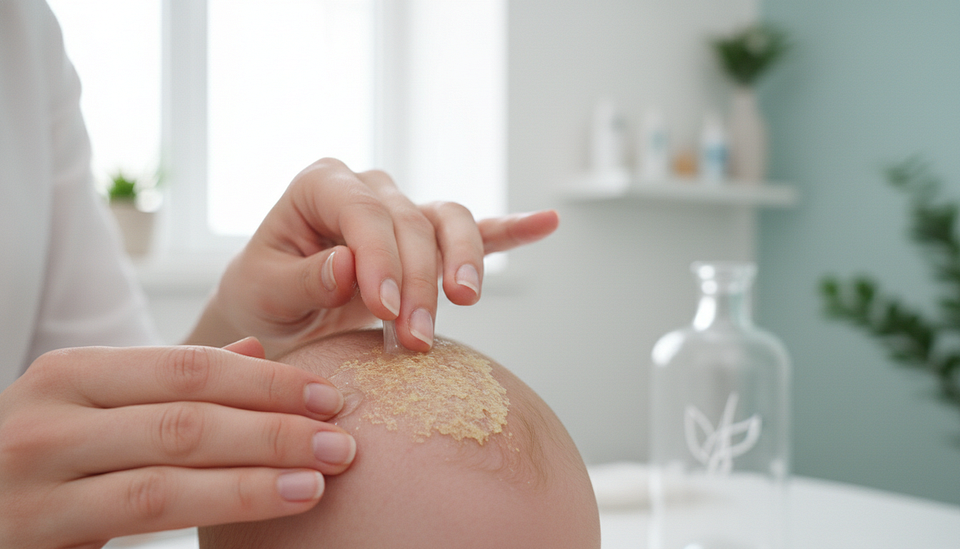
Cradle cap, clinically known as infantile seborrheic dermatitis, is a common condition that often causes concern for parents. While it is generally harmless, understanding how to manage it effectively is crucial for maintaining your child’s scalp health. This guide explores the biological causes and provides a comprehensive approach to cradle cap treatment in children.
What Causes Cradle Cap?
Despite various myths, cradle cap is not caused by poor hygiene or allergies. It is primarily linked to overactive sebaceous (oil) glands in the skin. Research suggests that maternal hormones circulating in the baby’s system after birth can stimulate these glands, leading to an overproduction of sebum. This excess oil traps dead skin cells, creating the characteristic yellow, crusty, or oily patches. Additionally, a yeast-like fungus called Malassezia can play a role in the inflammation associated with the condition.
Identifying the Symptoms
Cradle cap typically appears on the scalp but can occasionally spread to the ears, eyebrows, or neck. Key signs include:
- Thick, oily, or crusty patches on the scalp.
- Yellow or brown scales that are difficult to remove.
- Mild redness or inflammation.
- Flakes that resemble dandruff.
It is important to note that unlike eczema, cradle cap is usually not itchy or painful for the child.
Effective Cradle Cap Treatment in Children
For most mild cases, a consistent home care routine is the best strategy. The goal of cradle cap treatment in children is to gently loosen the scales without causing irritation to the delicate skin underneath.
- Emollient Application: Apply a light oil or a specialized scalp balm to the affected areas. Let it sit for 20–30 minutes to soften the crusts.
- Gentle Brushing: Use a soft-bristled baby brush or a fine-toothed comb to gently lift the loosened scales. Never pick or scratch at the scales with your fingernails, as this can lead to infection.
- Mild Cleansing: Wash the scalp with a gentle, fragrance-free baby shampoo. Ensure all oil is thoroughly rinsed away to prevent further buildup.
When to Seek Professional Trichological Advice
If the condition persists beyond infancy, becomes severely inflamed, or if there are signs of infection (such as oozing or bleeding), it is time to consult a specialist. At Shuna Hammocks Trichology, we provide expert assessment for pediatric scalp conditions, ensuring your child receives the safest and most effective care tailored to their specific needs.
CONTACT BUSINESS
For professional guidance and treatment, contact Shuna Hammocks Trichology today:
- Website: Shuna Hammocks Trichology Official Website
- Phone: 07860 387332
- Address: Willow Suite, The Anderida Practice, Forest Row, West Sussex, RH18 5HE
- Google Business Profile: GMB Profile
- Maps Location: View on Google Maps

 English
 Arabic
 French
 Spanish
 Portuguese
 Deutsch
 Turkish
 Italiano
 Russian
 Romaian
 Portuguese (Brazil)
 Greek
Greek