


How Medical Role Play Improves Patient Communication Skills
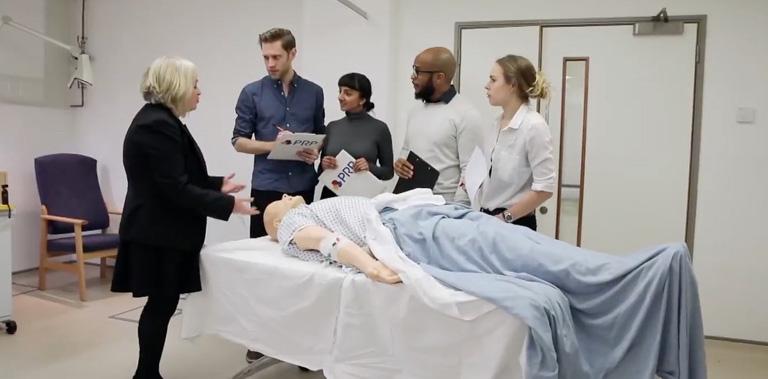
Communication is one of the most important skills in healthcare. Patients want to feel heard, respected, and understood when speaking with doctors, nurses, and medical professionals. Clear communication not only improves patient satisfaction but also helps reduce misunderstandings, medical errors, and anxiety during treatment. However, strong communication skills do not always come naturally, which is why practical training methods are so valuable in healthcare education.
One of the most effective ways to improve communication in healthcare is through medical role play. This training method allows healthcare professionals and students to practise realistic patient interactions in a safe and controlled environment. By using realistic scenarios, participants develop confidence, empathy, listening skills, and the ability to handle challenging conversations professionally.
What Is Medical Role Play?
Medical role play is a training technique where participants act out realistic healthcare situations. Professional actors or trained facilitators often play the role of patients, family members, or healthcare staff to create authentic medical scenarios.
These sessions simulate real-life situations such as patient consultations, delivering difficult news, handling complaints, or explaining treatment options. The goal is to help healthcare professionals practise communication techniques and improve their ability to respond effectively in real clinical settings.
Why Communication Matters in Healthcare
Good communication is essential in every area of healthcare. Patients rely on medical professionals for information, reassurance, and guidance during stressful situations.
Building Patient Trust
Patients are more likely to trust healthcare providers who communicate clearly and listen carefully to their concerns.
Reducing Misunderstandings
Poor communication can lead to confusion about diagnoses, treatments, or medications. Effective conversations help ensure patients fully understand their care plans.
Improving Patient Satisfaction
Patients who feel respected and involved in their care often report higher levels of satisfaction with healthcare services.
How Medical Role Play Builds Confidence
Many healthcare professionals feel nervous when dealing with difficult conversations, emotional patients, or sensitive medical situations. Role play helps reduce this anxiety through repeated practice.
Practising Realistic Scenarios
Participants gain experience handling realistic patient interactions before facing them in actual healthcare environments.
Learning Through Feedback
Trainers and facilitators provide constructive feedback that helps participants improve communication techniques and professional behaviour.
Developing Emotional Control
Medical professionals learn how to remain calm, focused, and compassionate during stressful situations.
Improving Active Listening Skills
Listening is one of the most overlooked communication skills in healthcare. Patients often want reassurance that their concerns are genuinely understood.
Understanding Patient Concerns
Role play teaches healthcare professionals how to listen carefully without interrupting or making assumptions.
Responding with Empathy
Patients appreciate compassionate responses that acknowledge their emotions and worries.
Clarifying Information
Medical role play encourages professionals to ask clear questions and confirm understanding to avoid confusion.
Healthcare organisations increasingly use professional medical role play training to improve listening skills and patient interactions across clinical settings.
Enhancing Empathy in Patient Care
Empathy is essential for building strong relationships between healthcare providers and patients. Role play helps participants understand how patients may feel during medical appointments or treatments.
Seeing Situations from the Patient’s Perspective
By observing or participating in role play scenarios, healthcare workers gain insight into patient emotions and experiences.
Improving Emotional Awareness
Participants learn how body language, tone of voice, and communication style can affect patient comfort and trust.
Supporting Vulnerable Patients
Medical role play prepares professionals to communicate more effectively with anxious, elderly, or emotionally distressed patients.
Helping Professionals Deliver Difficult News
Delivering bad news is one of the most challenging aspects of healthcare communication. Doctors and nurses often need to discuss serious diagnoses, treatment failures, or end-of-life care.
Practising Sensitive Conversations
Role play provides a safe environment to practise difficult discussions without causing harm to real patients.
Improving Compassionate Communication
Participants learn how to deliver information honestly while remaining empathetic and supportive.
Managing Emotional Reactions
Training helps healthcare workers respond calmly and professionally when patients become upset or emotional.
Reducing Communication Errors in Healthcare
Miscommunication can lead to serious medical mistakes. Medical role play helps reduce these risks by improving clarity and teamwork.
Improving Patient Instructions
Healthcare professionals learn how to explain treatments, medications, and procedures in simple, understandable language.
Encouraging Patient Questions
Patients are more likely to ask questions when communication feels open and supportive.
Strengthening Team Communication
Role play also improves communication between healthcare staff members, reducing confusion during patient care.
Supporting Medical Students and New Professionals
Medical role play is especially valuable for students and newly qualified healthcare workers who may lack practical experience.
Bridging the Gap Between Theory and Practice
Classroom learning alone cannot fully prepare students for real patient interactions. Role play provides practical experience in realistic situations.
Building Professional Confidence
Repeated practice helps students become more comfortable speaking with patients and handling challenging conversations.
Preparing for Clinical Placements
Role play gives learners valuable communication experience before working directly with patients in hospitals or clinics.
Many training organisations now offer advanced medical role play programmes designed specifically for healthcare students and professionals.
Improving Cultural Awareness in Healthcare
Modern healthcare environments are highly diverse. Patients come from different cultural, linguistic, and social backgrounds.
Understanding Cultural Differences
Role play helps healthcare workers practise respectful communication with patients from different communities.
Reducing Bias and Assumptions
Training encourages professionals to avoid stereotypes and focus on individual patient needs.
Improving Inclusive Care
Better cultural awareness leads to more respectful and inclusive patient experiences.
The Importance of Non-Verbal Communication
Communication is not just about words. Facial expressions, posture, eye contact, and tone of voice all affect patient interactions.
Reading Patient Body Language
Role play helps professionals recognise signs of discomfort, confusion, or anxiety.
Improving Professional Presence
Participants learn how their own body language can influence patient trust and confidence.
Creating Comfortable Conversations
Positive non-verbal communication helps patients feel more relaxed and supported during appointments.
How Role Play Encourages Reflective Learning
One of the biggest benefits of medical role play is the opportunity for reflection and self-improvement.
Identifying Communication Strengths
Participants gain a better understanding of what they do well during patient interactions.
Recognising Areas for Improvement
Constructive feedback helps individuals improve weak communication habits or behaviours.
Promoting Continuous Learning
Healthcare communication skills should continue developing throughout a professional’s career.
Technology and Modern Medical Role Play Training
Modern training programmes now use advanced technology to improve realism and accessibility.
Virtual Role Play Sessions
Online simulations allow healthcare professionals to practise communication remotely.
Video Feedback and Analysis
Recorded sessions help participants review their communication style and identify improvement areas.
Interactive Learning Tools
Technology-based training creates more engaging and flexible learning experiences for healthcare teams.
The Long-Term Benefits of Medical Role Play
The benefits of communication training extend far beyond individual learning sessions.
Better Patient Outcomes
Clear communication improves patient understanding, treatment compliance, and overall healthcare experiences.
Higher Staff Confidence
Healthcare professionals who communicate effectively often feel more confident and less stressed at work.
Stronger Healthcare Relationships
Good communication strengthens trust between patients, families, and medical teams.
Improved Workplace Reputation
Healthcare organisations known for compassionate communication often build stronger patient satisfaction and trust.
Why Healthcare Organisations Invest in Communication Training
Hospitals, clinics, and healthcare providers increasingly recognise that communication is just as important as clinical skills.
Medical role play training helps organisations improve patient care standards, reduce complaints, strengthen teamwork, and support professional development across healthcare teams.
Investing in communication training also demonstrates a commitment to patient-centred care and continuous improvement.
Conclusion
Effective communication plays a critical role in healthcare. Patients want to feel listened to, respected, and supported during every stage of their medical journey. Medical role play provides healthcare professionals with practical, realistic training that improves confidence, empathy, listening skills, and patient interactions.
By using medical role play as part of healthcare training, organisations can create stronger communication standards, improve patient satisfaction, and support safer, more compassionate care. In today’s healthcare environment, strong communication skills are no longer optional — they are essential for delivering high-quality patient care.

 English
 Arabic
 French
 Spanish
 Deutsch
 Turkish
 Dutch
Dutch
 Italiano
 Russian
 Romaian
 Portuguese (Brazil)
 Greek
Greek