


Best Cleaning Practices for Stainless Steel Kitchen Sinks
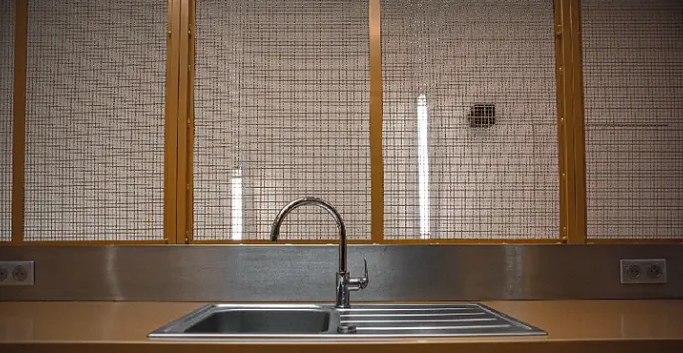
A kitchen is the heart of every Indian home, and at the centre of that heart sits the kitchen sink. Whether you are scrubbing heavy kadhais after a festive meal or rinsing fresh vegetables for a daily dal, your sink endures a lot of wear and tear. Stainless steel kitchen sinks are the most popular choice in India due to their durability and hygienic properties, but they are not invincible. Over time, hard water stains, food acids, and oily residues can dull the brilliant shine of even the highest quality steel. At Eureka Sinks, we believe that a clean sink is the foundation of a healthy kitchen. This guide will walk you through the most effective methods to keep your sink looking brand new.
Why Stainless Steel Needs Specialized Care
Many homeowners believe that stainless steel is “stain-less” and therefore requires zero maintenance. In reality, the name refers to the metal’s ability to resist rust due to a protective chromium oxide layer. However, in many Indian cities, the presence of borewell water or high mineral content can lead to “white scaling” or limescale deposits. If left untreated, these minerals can trap dirt and bacteria, making the surface look cloudy. By adopting the best cleaning practices for stainless steel kitchen sinks, you ensure that this protective layer remains intact, preventing corrosion and maintaining that premium satin finish.
Daily Maintenance: The Secret to Longevity
You do not need expensive chemicals to maintain your sink. The most effective routine is the one you follow daily. After every dishwashing session, make it a habit to rinse the sink with warm water to remove salt and acid residues from food.
The Best Way to Clean Stainless Steel Sink Regularly
The best way to clean stainless steel sink surfaces involves using a mixture of mild liquid dish soap and warm water applied with a soft microfiber cloth or sponge. Always scrub in the direction of the polished grain lines to avoid creating micro-scratches on the surface. Once you have finished cleaning, it is vital to wipe the basin completely dry with a clean towel. This simple step prevents the formation of stubborn water spots and mineral buildup, keeping your Eureka Sinks installation sparkling with minimal effort every single day.
Deep Cleaning for Tough Stains and Limescale
Sometimes, daily rinsing isn’t enough, especially if you have been cooking with heavy oils or turmeric. For a deeper clean, reach for common household items like baking soda and vinegar.
Baking soda is a mild abrasive that is tough on stains but gentle on the metal. Sprinkle it liberally over the wet sink surface and work it into a paste. This will lift grease and light scratches without damaging the finish. For those living in areas with hard water, vinegar is your best friend. The acetic acid in vinegar dissolves the calcium and magnesium deposits that cause white spots. However, never leave vinegar sitting on the steel for too long, as prolonged exposure to acids can eventually affect the metal’s integrity.
Top Stainless Steel Polish for Sinks: Restoring the Shine
The top stainless steel polish for sinks often involves using natural pantry staples like olive oil or specialized non-abrasive commercial cremes designed specifically for kitchen fixtures. To restore a dull sink, apply a few drops of olive oil or mineral oil to a dry lint-free cloth and buff the surface gently in the direction of the metal grain. This creates a temporary protective barrier that repels water and fingerprints while providing a deep, lustrous glow. Avoid using heavy industrial polishes that contain harsh solvents, as these can leave behind toxic residues in areas where you handle food.
Professional Tips: The Grain Matters
If you look closely at your Eureka Sinks basin, you will notice faint lines running in a specific direction. This is known as the “grain” of the steel. Just like wood, stainless steel should always be cleaned and polished along these lines. If you scrub across the grain, you risk pushing dirt deeper into the microscopic grooves and creating visible scratches that catch the light. Using a soft nylon brush is excellent for cleaning the corners of handmade sinks, but ensure the bristles are not made of wire or metal.
The Dos and Don’ts of Cleaning Stainless Steel Sinks
The primary dos and don’ts of cleaning stainless steel sinks include always using soft cleaning tools and avoiding any products containing bleach or chlorides which can cause permanent pitting. You should never use steel wool or wire brushes as they leave behind carbon steel particles that lead to rust spots on your sink. Additionally, do not leave wet sponges or cast iron cookware in the sink for long periods because the lack of oxygen and trapped moisture can lead to surface discolouration. Always rinse thoroughly after using any cleaning agent to ensure no chemical residue remains on the steel.
Dealing with Scratches and Scuffs
It is natural for stainless steel to develop minor scratches over time as you use heavy utensils. Instead of worrying about every tiny mark, view the “patina” as a sign of a well-used kitchen. However, if you have a deep scratch, you can use a professional stainless steel restoration kit. These kits usually contain fine-grit sanding pads that allow you to blend the scratch back into the original grain. This should be done with extreme care and only on brushed or satin finishes, never on mirrored or polished surfaces.
Protecting Your Investment
At Eureka Sinks, we recommend using a sink bottom grid. This simple accessory keeps your pots and pans from making direct contact with the bottom of the basin. Not only does this prevent scratches, but it also allows water to flow freely even when the sink is full of dishes. It is a small addition that goes a long way in preserving the aesthetic value of your kitchen.
Natural vs. Chemical Cleaners
While the market is flooded with “miracle” cleaners, we often find that natural solutions are safer for your family and the environment. Lemon juice is another fantastic natural cleaner. The citric acid acts as a natural bleaching agent for stains and leaves your kitchen smelling fresh. If you do choose a commercial cleaner, ensure it is specifically labeled as “safe for stainless steel” and is “chloride-free.” Chlorides, often found in everyday bleach and some abrasive powders, are the ultimate enemy of stainless steel and can cause irreparable damage in a very short time.
Final Thoughts on Sink Care
Your kitchen sink is an investment in your home’s functionality and style. By following these best cleaning practices for stainless steel kitchen sinks, you are not just cleaning a fixture; you are protecting a vital part of your daily life. A little bit of care goes a long way. With regular maintenance, a soft touch, and the right tools, your Eureka Sinks will remain a gleaming centerpiece of your kitchen for decades to come.
Frequently Asked Questions (FAQs)
Can I use salt to clean stains in my stainless steel kitchen sinks?
While many Indian households use salt as a natural abrasive, it is not recommended for stainless steel kitchen sinks. Salt contains chlorides which, if left on the surface for even a few hours, can cause microscopic pitting and lead to localized rusting. Instead of common salt, use baking soda for scrubbing tasks. Baking soda provides the necessary friction to lift food stains and oily residues without the chemical risk of corroding the high quality metal finish.
How do I remove heavy white limescale deposits from my sink?
To remove stubborn white scaling caused by hard water, soak a cloth in white vinegar and drape it over the affected areas for about fifteen to twenty minutes. The acidity in the vinegar breaks down the mineral bonds, making it easy to wipe away the crust with a soft sponge. For very thick deposits, you can make a paste of vinegar and cream of tartar. Always ensure you rinse the area with plenty of fresh water afterward to neutralize the acid.
Why is my stainless steel sink losing its shine and looking cloudy?
A cloudy appearance is usually the result of a thin film of soap scum, grease, or mineral buildup from the water supply. In many cases, it is simply because the sink was not wiped dry after use, allowing water to evaporate and leave minerals behind. To restore the luster, deep clean the basin with a mild dish soap, dry it thoroughly, and buff a few drops of coconut or mineral oil into the surface to bring back the original glow.
Is it safe to use a scrub pad or “Junna” on my Eureka Sinks?
You should never use a metal scrub pad, steel wool, or a very coarse green scrubbing pad on your sink. These materials are much harder than the steel itself and will create permanent, unsightly scratches that ruin the smooth finish. Furthermore, metal pads can leave behind tiny iron particles that will eventually rust, giving the false impression that the sink is corroding. Always stick to soft sponges, microfiber cloths, or soft-bristled nylon brushes for safe cleaning.
How often should I deep clean my kitchen sink?
While daily rinsing is a must, you should aim for a thorough deep clean once every week to prevent long-term buildup. A weekly session involving baking soda and a vinegar rinse ensures that grease does not accumulate in the corners and that the protective chromium layer remains healthy. Regular deep cleaning is especially important if you cook frequently with turmeric or deep-fry foods, as these can leave behind residues that become harder to remove if ignored for too long.

 English
 Arabic
 French
 Spanish
 Portuguese
 Turkish
 Dutch
Dutch
 Italiano
 Russian
 Romaian
 Portuguese (Brazil)
 Greek
Greek