


Langtang Valley Trek Safety Tips
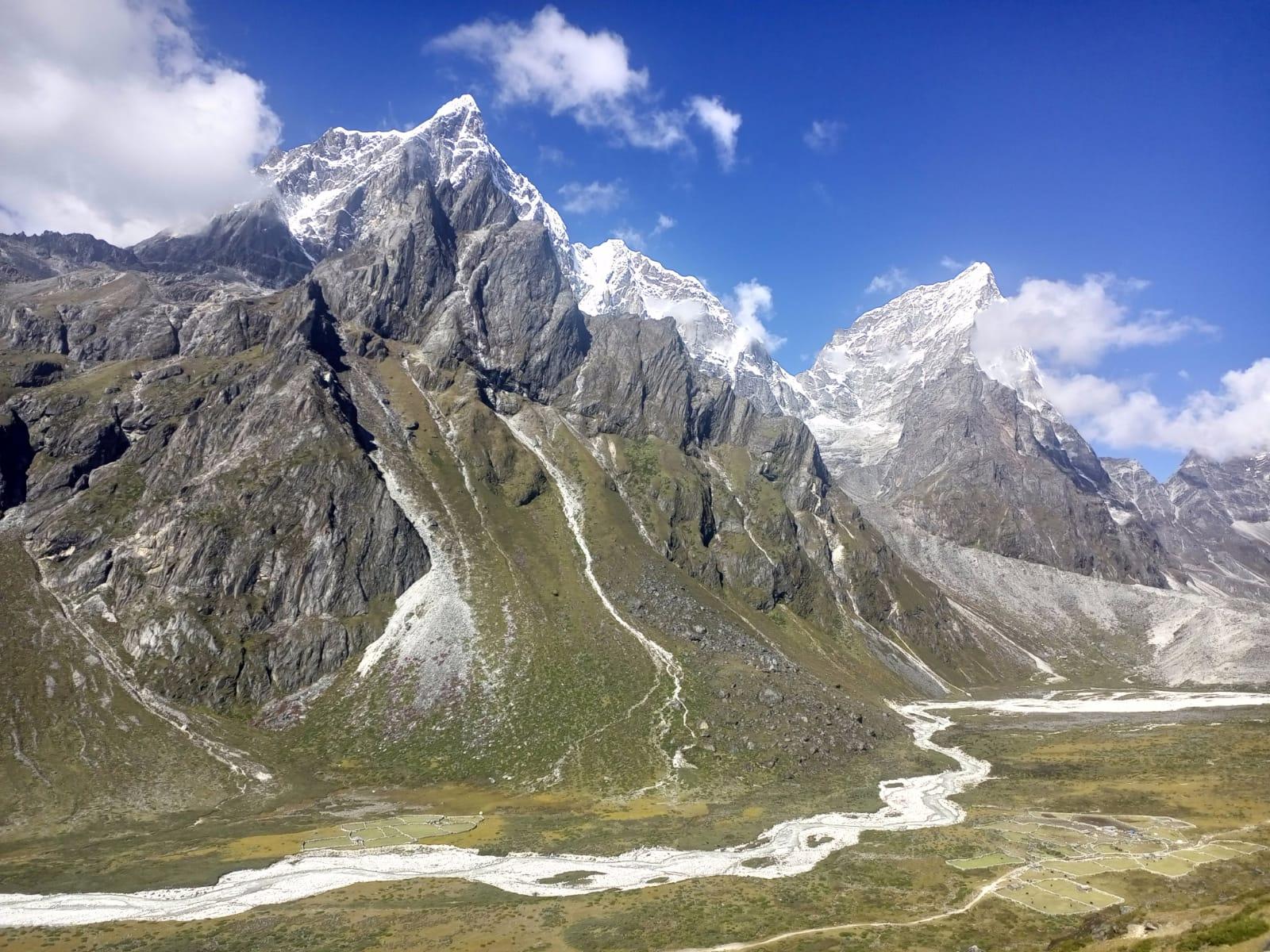
Waking up to cold stone huts means knowing when to wait, not just move. High paths near glaciers don’t shout danger - they whisper it through shifting skies. Some believe strong boots keep them safe; truth is, clear thinking does. Weather here flips like pages - miss one sign, and warmth turns to whiteout. Villages sit far apart, so reaching shelter takes planning, never luck. Altitude doesn’t hit hard at first - it sneaks in slow, then grips tight. Maps show trails, yet say nothing of sudden storms above tree line. Good choices start before the pack hits your back, deep in quiet prep. Help could take days because helicopters can’t always fly these slopes. Fitness fades fast if lungs fight thin air without proper rest stops. Gadgets fail when batteries die under frozen layers. Watching clouds matters more than counting steps uphill. Local voices know snow patterns better than foreign forecasts ever will. One wrong turn off marked rock piles leads to silence, no second chances. Breathing steady keeps minds sharp when fog hides every landmark. Timing a pass crossing right beats rushing with heavy breaths. Respect grows quietly - not from conquering peaks, but listening closely.
Langtang Safety Taken Seriously
High up, Langtang Valley feels gentle at first glance - yet holds wild mountain nature. River paths wind beneath thick tree cover, then give way to rocky climbs. Instead of flat trails, you meet sharp slopes that test your breath. The weather turns without warning here, swinging from clear to stormy in hours. Above the treeline, thin air reminds you how high you have climbed.
Heavy storms and quakes have hit here before, so officials plus hiking networks make rules pretty strict. Watching paths closely happens alongside checking entry papers, help shows up through nearby towns when needed. Still, each hiker must watch out for themselves no matter what safeguards stand in place.
A single misstep grows larger here. Peaks care little for good intentions.
Altitude Safety Tops Concerns
High up, air gets thin fast in Langtang. Moving past Lama Hotel, heading into the village or onward to Kyanjin Gompa means less oxygen around you. The body needs time then, slow steps help it adapt.
Headaches might show up before anything serious seems wrong. A person could feel unusually tired, even after resting well the night before. Without noticing it, hunger fades during meals higher up. Some keep moving upward despite small warnings appearing one by one. Going farther while feeling off only makes things worse later.
Start low, go slow. Should things get worse, climbing stops. When discomfort grows stronger, moving down begins. Quick steps forward earn respect far better than delayed fixes ever do.
Weather And Sudden Condition Changes
One moment it is sunny, then clouds roll in without warning. Mornings start bright but hide what comes later - fog creeps over ridges, winds pick up suddenly, sometimes snow begins falling before noon. How fast things shift depends on which part of year you are in. Trails grow harder to follow when skies close down, footing gets uncertain, movement slows whether anyone likes it or not.
Footing gets tricky in low-lying woods when it rains, whereas upper paths may turn slick with ice or open to wind if temperatures drop. Mornings tend to hold fewer surprises compared to afternoons, so starting hikes earlier helps avoid shifting skies.
When trekkers overlook shifting weather, paths grow tough and sight fades fast. Mist rolls in, footing turns unsure - nature doesn’t wait for unprepared hikers.
Stay Alert Know the Land
Walking the Langtang trail means staying alert at all times. Though the path is clear, rough ground waits around every turn. Rocks line the way, some stretches squeeze tight, then come shaky bridges over rushing water. Edges of rivers appear without warning, footing shifts beneath boots. Each step asks for focus, nothing less.
A single second looking away might mean a misstep, even something small like a scrape - happens easily when the ground is slick with rain or mud. Where you put your feet becomes far more important than how fast you move through those spots.
Fatigue creeps in, then attention slips - trails turn risky not from steep drops but wandering minds. A stumble often follows when thoughts drift past the path ahead.
Physical Fatigue And Injury Risk
Some days into a long hike, tiredness creeps in without warning. Legs start to ache. Shoulders tighten up too. Back pain often follows soon after. Walking uphill nonstop brings on discomfort even for strong hikers. Slower responses come with that exhaustion. Mistakes happen more easily when energy runs low.
Downhill steps often stress the knees, particularly on the way back from mountain spots such as Kylanjin Gompa. Using walking poles eases that load, while also boosting stability with each step.
Fatigue ignored, a leading source of avoidable harm in Langtang. Often overlooked, it quietly fuels accidents that might have been stopped. Tired bodies push on - mistakes creep in. Rest skipped, risks rise without notice. This pattern repeats, again and again, across trails and camps. The result? Injuries piling up where awareness could’ve helped.
Tea House Safety and Guest Awareness
Most tea houses in Langtang won’t put you at risk, yet expect bare essentials. Comforts stay minimal inside the rooms, while warmth often depends on where you are. Power can flicker now and then, especially once you climb beyond lower settlements.
When temperatures drop, watching fire risks matters just as much as guarding your stuff. Inside tight rooms, order keeps trouble away - lock things up, keep paths clear. Cold air sneaks in where walls lack padding, so check gaps before night hits.
Tea houses usually belong to families who live nearby, so the vibe feels warm - yet staying alert matters just the same. While hosts tend to be welcoming, knowing what’s happening around you makes sense out there. Even in cozy spots, a quiet attention helps travelers stay safe. Friendly faces don’t erase the need to notice small details. Being at ease isn’t the same as switching off completely.
Solo Trekking Safety Considerations
Alone on the trail through Langtang, attention must sharpen. When no one else is there to check decisions, each step depends on personal judgment. Moving solo means watching your body closely, adjusting speed as needed, because help isn’t nearby. Choices about rest or pushing forward fall only to you.
Alone does not mean always alone, yet sometimes the path unwinds with no one else in sight. When that happens, staying steady matters more than anything.
Walking alone means noticing headaches or dizziness faster, since help isn’t nearby. Storms can roll in fast when you’re on your own. Tiredness hits harder without someone to share the pace. Cold winds feel sharper if no one’s watching your back. Slower movement might mean longer exposure up high. Mistakes stay uncorrected unless spotted early. Breathing trouble won’t get noticed by a companion. Sudden chills could go ignored too long. Alone, every small sign matters more.
Emergency Response and Evacuation
When trouble strikes in Langtang, it does not happen often - but it can. For severe incidents, getting someone out might mean reaching out to neighboring communities, sometimes a chopper is needed - depends where and how bad things are.
Most people overlook how tough things get when help costs extra at high elevations. Trouble strikes fast if there is no plan for sudden rescues or medical trips down. Coverage makes those moments less overwhelming, both in cash and coordination.
Out in the open, signals might race fast - then crawl inside buildings. Weather shifts often twist how well devices talk to one another.
Hydration and Energy Safety
Water loss climbs fast where air thins. Breathing alone drains moisture, movement speeds it up - thirst might not show until damage starts.
Headaches might hit when fluid intake drops too low. Cold air tricks some hikers into sipping less water than needed. Weakness creeps in alongside foggy thinking. The body keeps working, yet slower with each dry hour.
Staying well hydrated matters more than you might think in Langtang. Each sip helps keep your body steady in thin air. Water by water, it builds resilience against altitude issues. Often overlooked, yet always essential. Even when thirst doesn’t knock, drink anyway. A slow rhythm of fluids supports every step there.
Food Energy and Body Stability
Food keeps strength steady when air gets thin. Missing plates means less power for the climb, slower healing after effort. Stomachs full help bodies hold on.
Starting strong each morning means filling up on warm dishes full of carbs. Because energy fades fast on long trails, steady eating matters more than hunger cues. Even when tea house menus stay predictable, showing up for meals at set times keeps strength stable. Instead of waiting to feel hungry, it is better to stick to a schedule. What works? Eating even when not craving food. That rhythm supports endurance through tough stretches.
Fatigue creeps in, decisions turn shaky, responses lag behind out there on the path. Trails demand sharp minds, yet tired bodies drag thoughts through mud instead.
Weather Gear As A Safety Layer
Wearing the right clothes in Langtang does more than keep you cozy - it shields you from harm. When chilly gusts hit, followed by downpours or sharp chills, being dressed wrong turns risky fast.
When clothes get wet in chilly weather, they pull warmth away fast. That’s the reason a sealed outer shell comes before comfort - without it, chill sets deeper. A padded coat isn’t extra; it’s what keeps shivering at bay when wind bites through fabric.
When the weather shifts, proper equipment cuts down on danger while keeping your body heat steady.
Mental Awareness Shapes Choices
Most people forget how clear thinking matters when staying safe. When tired, high up, or stuck in bad weather, choices get harder. Resting instead of pushing forward might matter more than how strong someone feels. What seems small - like pausing - can outweigh raw power.
Calm trekkers tend to avoid danger better when they move slowly, choosing each step with care instead of charging ahead. Those who overlook red flags often find trouble waiting just around the bend.
When fear takes over, bad choices follow just as they do when someone feels too sure. Mistakes climb alongside shaky nerves or bold assumptions in high places.
Langtang Safety Truth
Starting strong helps most on the Langtang Valley route - safety shows up through care, planning, yet staying alert. Trouble rarely hits fast; instead it builds slowly: skipping rest, pushing too high too soon, then brushing off cold winds that sneak in late afternoon.
Mountains do not act on random whims. Their reaction follows patterns when people interact with them. Move at a steady pace, drink enough water, keep energy up with food, notice shifts in the sky, give height its due care - safety grows alongside meaning. A journey like that holds value without surprise danger.
Walking in Langtang isn’t about staying away from high ground. It’s paying attention while passing through - watching closely, hearing what the land quietly shares.

 English
 French
 Spanish
 Portuguese
 Deutsch
 Turkish
 Dutch
Dutch
 Italiano
 Russian
 Romaian
 Portuguese (Brazil)
 Greek
Greek