


Are Organic Eggs in Pakistan Worth the Extra Cost?
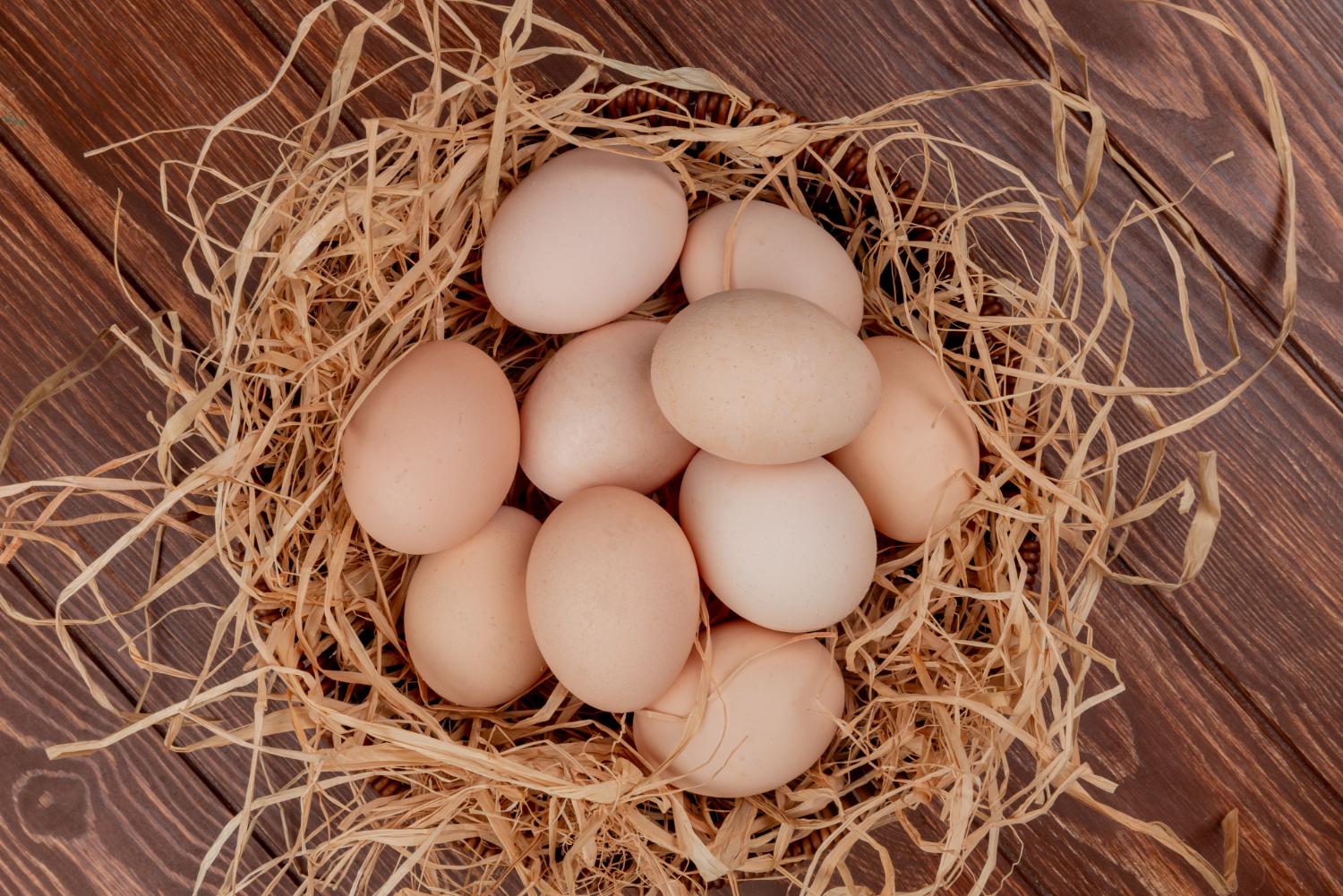
Go to any supermarket in Lahore or Islamabad, and you will see a carton labelled "organic egg" that is two or three times the price of the others. Most customers grab it, glance at the price and drop it. But some do not. In Pakistan, if you ever find yourself in doubt about the difference between an organic egg and a farm egg (or a desi egg), then this article should clear it up for you.
In Pakistan, What Does the word "organic" Mean for an Egg?
In short, there is presently no formal government standard. In the United States and Germany, "organic" on the egg carton is a term defined and regulated by law. Self-declared in Pakistan. If a farm says its chicken is organic, it could be that the chicks were raised free-range, or that the feed given to the chickens is vegetable-based, or that no antibiotics were used.
Labelling standards are considered to be strengthened by both Pakistan Agricultural Research Council (PARC) and the Punjab Food Authority (PFA), however, there is no yet certified national organic system for eggs (2025). When you purchase organic here, it's about trusting the farm, not a certification board.
Organic Egg vs Desi Egg: Not the Same Thing
Many people interchange these terms. They do not.
A desi egg is the type from a free-ranging hen that feeds on grain and insects and is raised in a backyard or semi-rural environment. The hens do not have to be fed organic certified feed. They may also be treated by a veterinarian from time to time. The egg produced is smaller, darker in colour, and has a distinctive taste, unlike a uniform commercial egg, which lacks taste.
In the current definition of the term, an organic egg is an egg laid by a hen that has been bred and raised without the use of antibiotics, and fed non-GMO or organic grain, and has had some movement. Not always free range. Not everything is always desi. It is a different category, has a different price tag and is marketed accordingly.
Knowing this difference is important, particularly when comparing what you are paying for with what you are actually receiving. The nutritional values of an organic egg and a desi egg may be almost the same, but they are laid in different production systems.
The market for organic eggs in Pakistan appears as follows:
This is where most customers run into trouble. Hence, the Desi Eggs Price in Pakistan is already higher than commercial farm eggs. Desi eggs are priced at Rs 25 to 40 per egg in major cities, and Rs 750 to 1200 per tray of 30 eggs.
Organic eggs are better. Specialty stores in Karachi, Lahore, and Islamabad charge Rs 50-90 per organic egg from farms. A few quality home delivery brands will add to their egg price of Rs 100 or more if they include packaging and cold chain handling.
That price difference is real, and it adds up quickly for a family eating eggs every day. If one family consumes 30 eggs per month, it will spend around Rs 1500-2700 on desi eggs and Rs 1500-3000 on organic eggs (depending on the city and supplier). There is overlap, although it is much higher for organic.
If you want to buy organic eggs from a local poultry farm, here are some tips for you.
It's not quite as easy to find a “local” poultry farm that actually offers certified organic eggs. These are some of the strategies that have proven effective for Pakistan:
-
Google Maps search: Type your district or neighbourhood name with "organic eggs" or "poultry farm." Some small-scale farmers have now added their phone numbers to WhatsApp and are now active on the platform.
-
Instagram and Facebook: Lahore farms, such as Nurture Farm and several smaller farms in Rawalpindi, are active on social media. With DMs, you can contact the owner directly.
-
Organic egg suppliers in Karachi and Islamabad can be found that accept orders via food delivery apps and services, or via their own WhatsApp order groups.
-
Organic markets: There are a handful of local farms from which Lahore's Pace, Hyperstar, and some specialty shops in DHA and Gulberg source organic eggs.
When ordering regularly from any supplier, ask two questions: What the hens are fed, and whether any medicines are used during production. A true farm will have no hesitation in answering both questions.
Is there any nutritional difference between Organic Eggs and Conventional Eggs?
The University of Agriculture Faisalabad, found significant variations in egg composition depending on feed and housing conditions. Eggs laid by free-range hens, especially those fed grain-based diets, contained 30-40 % more omega-3 fatty acids and significantly more vitamin D than commercial eggs laid by caged hens.
The bottom line is that not every organic feed will yield the same results. An egg from a certified organic soya-fed hen in an indoor environment may not contain the same level of nutrients as an egg from a hen in the backyard enjoying the fruits of her foraging. It is not only the feed that contributes to what is in the egg; the living environment also matters.
It's a choice worth making for those trying to improve their diet, those with cardiovascular issues, or those concerned about their cholesterol. A basic egg from a normal poultry farm or a trusted local source (desi egg) can provide most of the same benefits to healthy people on a moderate income budget.
Frequently Asked Questions
What is an Organic Egg, and is it available all over Pakistan?
An organic egg is one that is produced by hens raised without antibiotics and fed non-GMO or organic grain. Currently, its availability is limited to Lahore, Karachi and Islamabad. Smaller cities have limited choices, but some farms can deliver their produce nationwide via courier and cold chain.
What is the difference between Desi eggs in Pakistan and Organic eggs?
In 2025, the price of desi eggs in Pakistan ranges from Rs. 25 to Rs. 40 per egg. In urban areas, the price of an organic egg ranges from Rs 50 to Rs 90. Both are more expensive than the commercial farm eggs, which retail between Rs 16 and 22 per egg.
Are organic eggs also Desi Eggs in Pakistan?
No. Desi eggs come from backyard free-range chickens, which may not follow a formal feed protocol. Organic eggs are the result of hens raised on certified or controlled organic feed, and are free range or not. The two differ in nature and cost, but are the same in some farms.
What can I do to make sure that a local farm is providing the real organic eggs?
Go to or call the poultry farm. Inquire about feed, whether or not antibiotics and/or growth-promoting agents are given, and about the housing of the hens. A valid organic operation will use this information transparently. Do not speak with suppliers that are unable to answer these questions specifically.
Are there any differences between organic eggs and conventional eggs?
According to most buyers, organic eggs—especially those produced by free-range eggs that are fed a diet of grain—have a deeper yolk colour and a more pronounced taste. This is most apparent when the food is boiled or fried with little seasoning. Commercial eggs are milder and more consistent in flavour.
The demand for organic eggs in Pakistan is on the rise, but the market is still fledgling. The cost is on the high side, the requirements are relaxed, and in the suburbs, the choices are limited. If you are able to locate a reputable local farm close to you that raises hens without feeding them grain and shares its practices openly, it is worth investigating. Without a good quality desi egg from a reputable backyard source is nearly as close as you can get to the same product without the "good quality" stamp.


 English
 Arabic
 Spanish
 Portuguese
 Deutsch
 Turkish
 Dutch
Dutch
 Italiano
 Russian
 Romaian
 Portuguese (Brazil)
 Greek
Greek