


What to Pack for the Langtang Valley Trek
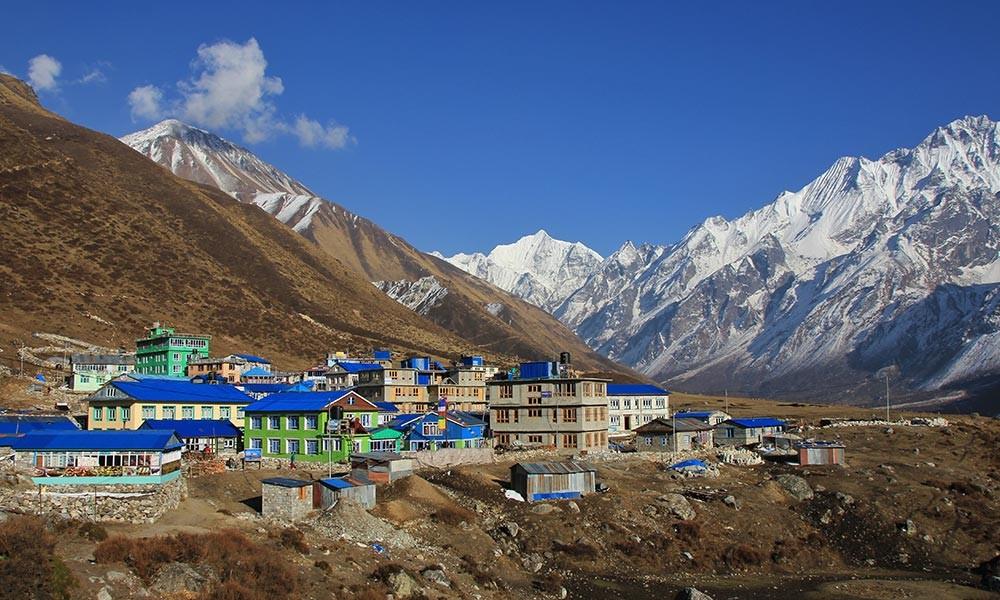
Getting ready for the Langtang Valley Trek means thinking hard about what goes into your bag, since each thing shapes how well you feel, move, survive, and keep going along the path. Often people bring way more than needed, scared by stories of cold peaks, while others take almost nothing, not realizing how tough it gets up high after hours on foot. Truth sits right in the middle - balance matters most. Step outside Kathmandu, head north toward Syabrubesi, then suddenly your backpack holds everything that keeps you alive when winds pick up and trails climb.
Why Packing Errors Matter More in Langtang
Up high, tiny oversights pack a punch when you cannot just grab replacements along the way. Heavy loads that seem fine at base camp begin to wear down strength with every step upward. Missing key layers for freezing nights brings more than shivers - it disrupts rest, slows progress. New trekkers often obsess over new gear instead of how pieces work together through changing conditions. Staying warm means planning what goes on, comes off, stays ready - not stuffing extras into the bag. Weight adds up fast when each meter climbed demands breath and balance. Efficiency wins where thin air makes waste obvious.
Selecting a Suitable Backpack
Carried every step of the way, your backpack needs to match what you actually require. Too big, it tempts extra junk; too tight, things get messy fast. Many find middle ground with mid-sized models - room enough without dragging down shoulders. Fit trumps logo any morning fresh out of camp. Straps around hips, padding on shoulders, how it sits when full - that decides comfort miles into trail time. Even if someone else hauls gear uphill, a light pack stays useful each day’s walk. What rides on your back shapes how far legs keep moving.
Clothing Layering System
Through different climate belts, the Langtang Valley route demands clothes ready for shifting conditions. Cold grips early hours; later, climbing in the sun may bring heat that surprises. Rather than load up on bulky garments, stacking thin pieces works better. Moisture-wicking fabrics sit next to skin, middle sections trap warmth when needed. A shell fends off gusts and sudden downpours from above. As elevation climbs or clouds roll in, adding or peeling layers keeps comfort steady. Adjustments happen fast without unpacking a full bag.
Warm Clothes Keep You Safe
Frost sneaks in fast once the sun dips behind Langtang’s peaks, catching plenty off guard. Higher up near Kyanjin Gompa, the chill bites harder than most expect. When daylight fades, even in peak months, thermometers plunge without warning. Staying warm means layering carefully - jackets that trap heat, snug gloves, a solid hat, base layers that wick, plus socks built for freezing. Sleep suffers when shivers linger, muscles stay tense. Without real rest, mornings feel heavier, legs drag sooner. Bundled up, you move better when walking long stretches through cold mountains. Not just cozy - layers shape how well your body works out there.
Trekking Boots and Footwear
Most people overlook how much their shoes matter on a Langtang trek - yet loose rocks, slanted ground, sudden drops, slick mud, and hours spent stepping down hills beat up legs fast. Supportive footwear makes a difference, sure - but only if it's worn enough to fit just right from day one. Unfamiliar boots tend to rub skin raw when they’re fresh out of the box. When rain turns trails sloppy or frost grips early-morning slopes, sticky soles keep ankles safe. Staying steady underfoot saves strength in ways gear lists rarely mention.
Sleeping Bag Reality
Blankets sit ready inside tea houses along the Langtang trail. Still, plenty of walkers bring sleeping bags - extra warmth helps, so does cleanliness. Up high, nighttime drops hard into freezing, particularly from autumn through early spring. A proper sleeping bag means deeper rest, better healing, real ease on long stretches. When people struggle to sleep night after night, their strength fades fast when trails turn tough. On peaks and passes, how well you rest hits harder than most newcomers guess.
Water and hydration equipment
Every breath you take up high steals moisture, so staying wet matters more than most think. Bottles that last or bladders tucked in packs keep sipping steady without fuss. Instead of grabbing plastic each stop, many turn to pills that clean or small pumps - cuts cost, leaves less trash where peaks tower. When your blood thickens from lack, legs slow and head pounds harder under thin skies. That sip-by-sip habit? It quietly guards against what elevation can do.
Essential Personal Items
Out on the trail, tiny things often matter most. A tube of lip protection can make a big difference when winds bite hard. Sunscreen guards against bright rays that hit stronger up high. Even if it feels chilly, those skies pour down intense UV light. Sunglasses shield eyes from glare bouncing off rock and snow. Dry air sucks moisture from your body fast. That is why face wash and wipes help more than expected. Clean hands stay safer with sanitizer after touching gear or rocks. Little cuts need attention before they worsen far from clinics. Most people underestimate how rough thin air becomes. Wind scrapes the skin raw given enough hours. Harm shows late - often once you are too deep to turn back.
electronics and power management
Up high in the valley, outlets grow scarce as you climb. Tea houses sometimes charge a fee just to plug in your gear. Cold air zaps battery life quicker than usual conditions do. A phone, camera, or headlamp might stop working when needed most. Power banks help avoid relying on shaky charging options along the trail. When dawn breaks early, that headlamp guides each step before sunrise. Even midnight walks to the toilet need reliable light sources. Blackouts happen without warning - extra power keeps things running. Devices work best when they stay charged quietly in the background. Poor planning around energy turns small tools into heavy worries.
Packing Weight Management
Most people overlook how much lighter trips feel when only essential items come along. Starting a climb with less load means fewer breaks later. Some wear jackets once then leave them zipped inside their bag. Instead of preparing for every weather twist, think about what really gets used. Walking hour after hour rewards those who plan tightly. Each morning, choices made at home show up in steady breath and strong legs.
Snacks And Trail Nutrition
When you walk through mountain paths, light food keeps your strength up between rest spots. Instead of heavy meals, people carry things like nuts, chocolate, or dried fruit - these give fast power when climbing gets tough. Biscuits and energy bars show up a lot in backpacks for that reason. At high places, hunger can fade unexpectedly, making big dishes unappealing. Tiny bites work better then, letting hikers feed themselves without effort. Staying strong isn’t about eating only when tired; it is about giving the body what it needs before weakness hits.
Seasonal Packing Differences
Heavy coats show up when winter arrives. Snow sticks around, so gear must fight cold hands plus icy wind without fail. Rain keeps falling during monsoon time - waterproof shells appear, backpacks wear plastic capes, clothes swap out fast once soaked. Trails drip for days on end. When spring walks in, balance returns to luggage choices; autumn does too with mild air holding steady. Weather knowledge blocks extra weight in bags while keeping survival ready if things turn sharp.
Mental Comfort With Smart Packing
A well-packed bag does much more than carry supplies. When you start walking, it gives a quiet kind of assurance. Those who checked their gear tend to handle sudden rain or steep paths without rushing. Doubting your choices on the trail adds pressure where energy should go toward balance and breath. Carrying too little or too much distracts from what's around. Knowing everything needed is ready helps attention stay on views, rhythm, and footing instead.
What Packing for Langtang Actually Feels Like
Getting ready for the Langtang Valley Trek means choosing bare essentials over comfort. What matters most out there? Staying sharp with how much you bring. Heavy loads drag down energy fast when climbing rocky slopes day after day. Because each thing in your pack must earn its place by doing something useful. Sturdy shoes underfoot make all the difference once paths turn icy or uneven. Layered clothing adjusts easily when weather shifts without warning. Warmth stays locked in if fabric moves sweat away instead of trapping it. Water needs constant attention - dry mouth slows progress quicker than people expect. Balance inside the bag keeps strain off shoulders and lower back during long descents. When weight sits right, walking feels smoother even at high altitudes. What matters most in Langtang isn’t how much you bring. It’s about what fits the rhythm of high-altitude days. One item at a time shapes whether it works.

 English
 Arabic
 French
 Spanish
 Portuguese
 Deutsch
 Turkish
 Italiano
 Russian
 Romaian
 Portuguese (Brazil)
 Greek
Greek