


How to Get the Most Out of Your whale watching Gloucester MA Tour Guide
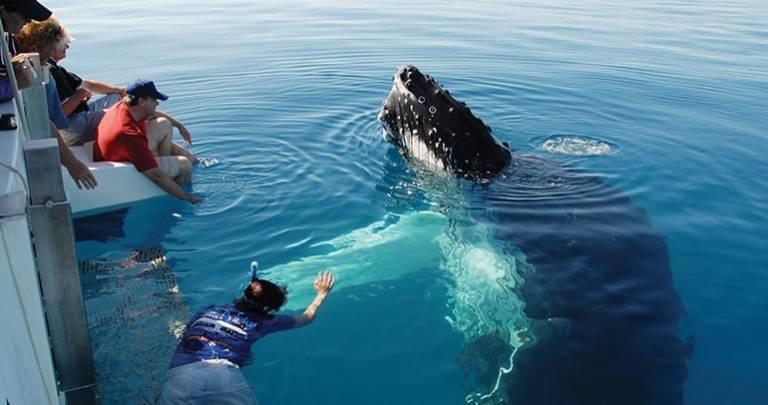
There’s something about being out on the water off Gloucester that feels real in a way most tourist stuff doesn’t. Maybe it’s the salt air. Maybe it’s the fact that nobody can guarantee what you’ll see. The ocean does what it wants. The whales too.
That’s the thing people don’t always understand before booking a whale watching Gloucester MA trip. It’s not some staged attraction where a dolphin pops up on cue every fifteen minutes. You’re heading into the Atlantic looking for massive wild animals that can disappear whenever they feel like it. And honestly, that unpredictability is part of what makes it good.
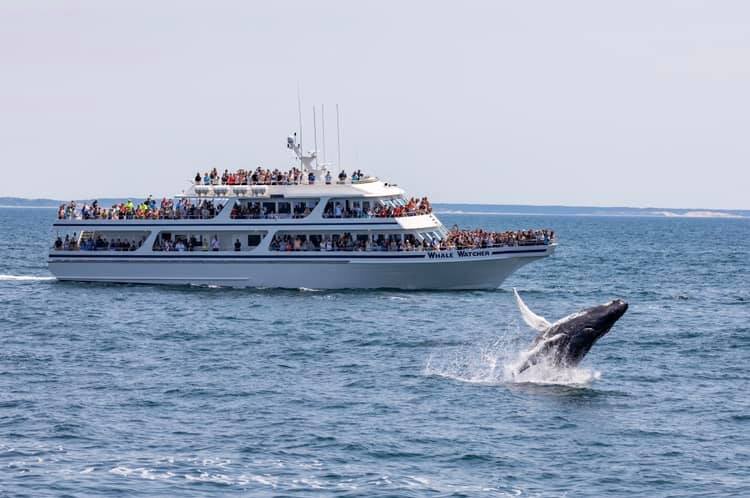
Some tours are unforgettable. Humpbacks breaching right next to the boat. Fin whales gliding by like submarines. Minke whales darting through the surface while everyone scrambles for photos. Other days are slower. Still worth it, but slower. That’s just the reality.
If you want to actually enjoy the experience instead of stumbling through it unprepared, there are a few things that matter more than people think. Timing. Clothing. Boat choice. Expectations too. A good Gloucester whale watching trip gets a whole lot better when you know what you’re doing before you leave the dock.
Picking the Right Time of Year Matters
People ask all the time when the “best” month is for whale watching in Gloucester. Truth is, there isn’t one perfect answer. Depends what kind of experience you want.
Summer gets the attention because the weather is easier. July and August usually bring calmer seas and warmer days. Families love it. Bigger crowds though. Parking gets annoying. Boats fill up fast. Still, if you want that classic sunny New England whale watching day, summer gives you the best odds.
June and September are a little different. Quieter. More relaxed. Sometimes better, honestly. The whales are still active around Stellwagen Bank, but you don’t feel packed shoulder-to-shoulder with tourists trying to take the same picture.
May can surprise people too. Cooler weather, more fog rolling around occasionally, but whale activity can already be strong. You just need to dress like you’ve thought this through.
That’s the mistake visitors make most. They assume warm weather on land means warm weather offshore. Nope. Doesn’t work like that out there.
Dress for the Ocean, Not the Parking Lot
This sounds obvious until you actually watch people show up in flip-flops and tank tops because it’s 78 degrees in town.
Then the boat gets a few miles offshore and suddenly everyone’s freezing.
Even during peak summer, the ocean air can feel ten or fifteen degrees colder once the boat gets moving. Add wind spray and you’ll wish you brought layers. Doesn’t need to be complicated either. Hoodie. Light jacket. Maybe sunglasses and sunscreen if it’s bright.
Comfort changes everything on a whale watching tour. If you’re cold and miserable, you stop paying attention. You miss stuff. The experience becomes about surviving the ride instead of enjoying it.
And if you even slightly get motion sickness? Take something before boarding. Not halfway through when you already feel awful. Big difference.
Morning Tours Usually Win
Locals know this already.
Morning conditions offshore tend to be calmer. Less wind. Smaller waves. Better visibility a lot of the time too. It’s not guaranteed, obviously, but mornings usually give you a smoother ride.
Afternoons can get rougher once the wind picks up. Some people enjoy that more aggressive ocean feel. Others spend half the trip gripping railings trying not to lose lunch.
If your priority is comfort and easier whale spotting, early departures usually have the edge.
There’s another reason mornings work better sometimes. Energy. The whole boat feels fresher. People are excited instead of sunburned and exhausted from walking around Gloucester all day before boarding.
Little things matter out there.
Listen to the Naturalists. Seriously.
A lot of people tune out the onboard guides after the first ten minutes. Bad move.
Most Gloucester whale watching crews know these waters incredibly well. They’re not reading random facts off cue cards. These people spend entire seasons tracking whale behavior, migration patterns, feeding activity, all of it.
You’ll hear stories about individual humpbacks they recognize by tail markings. Sometimes they know which whales are likely nearby before anyone spots them. It’s pretty wild actually.
The more you pay attention, the more interesting the trip becomes. Suddenly you’re not just staring at random splashes in the water. You start understanding behaviors. Bubble feeding. Tail slapping. Why birds gather in certain areas. Why whales surface the way they do.
That context changes the experience completely.
Don’t Spend the Whole Trip Behind Your Phone
This one sounds harsh but it’s true.
Some people board these tours and immediately watch the entire thing through a screen. Recording every second. Taking hundreds of photos they’ll barely look at later.
Meanwhile the actual moment is happening right in front of them.
Take pictures, sure. Of course. But not nonstop. Whale watching is one of those experiences that feels bigger when you actually look at it directly. The sounds matter too. The sudden silence before a whale surfaces nearby. The reactions from everyone around you.
You miss that stuff when your face is buried in a phone trying to capture the “perfect” video.
Honestly, some of the best whale sightings happen too fast for cameras anyway.
Weather Can Change Everything
People underestimate this constantly.
The whales might still be feeding offshore, but weather changes how much you actually enjoy seeing them. Calm water makes spotting blows easier. You can scan the horizon naturally without fighting waves every second.
Rough seas are another story. The boat rocks more. Visibility gets messy. Whitecaps make spotting movement harder. Some folks love the rawness of it. Feels more adventurous. Others hate every minute.
Fog plays a role too. Gloucester gets plenty of it during parts of the season. Light fog can feel atmospheric in a cool way. Heavy fog? Totally different vibe. You’re relying heavily on the crew to locate activity because visibility shrinks fast.
Still, some amazing sightings happen on imperfect days. I’ve seen people leave thrilled after gray, rainy trips simply because a humpback breached twenty feet from the boat.
The ocean doesn’t care about postcard conditions.
Position Yourself Smart on the Boat
There’s always that one group crowding the same side of the boat because somebody yelled “whale!”
Then the whale surfaces somewhere completely different.
You don’t need to panic every time people move. Good viewing happens all around the vessel. Sometimes staying patient actually works better than chasing every shout across the deck.
Upper decks usually offer broader visibility. Lower decks can feel more stable if the water gets rough. Mid-ship tends to help people who deal with motion sickness.
And honestly? Sometimes the best moments happen unexpectedly behind you while everyone else is staring somewhere else.
Stay alert. Keep scanning casually. That’s half the fun.
Understand That Nature Makes the Rules
This part matters more than anything.
You are not booking a marine theme park ride. You’re heading into wild habitat. Some days whales are everywhere. Other days you work harder for sightings. Occasionally conditions change fast and tours become more about the ocean itself than nonstop whale action.
That unpredictability is exactly why Gloucester whale watching feels authentic.
When a massive humpback suddenly surfaces beside the boat, nobody’s pretending. Nobody staged it. That animal chose that moment. You feel the surprise hit the whole deck at once.
Those moments stick with people because they’re real.
I think expectations shape enjoyment more than anything else. Go out there curious instead of demanding some perfect scripted experience. You’ll probably leave happier.
Gloucester Has the Right Kind of History for This
Part of what makes Gloucester special isn’t just the whales. It’s the town itself.
This place has deep fishing history. Working harbor energy. You feel it walking around before the tour even starts. Lobster boats heading out. Gulls screaming over the docks. Weathered buildings that actually look weathered instead of fake tourist versions.
That atmosphere adds something to the trip. Whale watching out of Gloucester feels tied to the ocean in a real way. It doesn’t feel manufactured.
And being close to Stellwagen Bank helps too. That underwater plateau creates rich feeding grounds that attract humpbacks, finbacks, minkes, and occasionally even endangered right whales during migration periods.
The wildlife activity here isn’t random luck. Geography plays a huge role.
Small Things That Make a Big Difference
Bring water. Bring sunscreen even if it looks cloudy. Ocean reflection burns people fast and they never expect it.
Eat something light beforehand. Empty stomachs and rough water don’t mix well either. Neither does a giant greasy breakfast right before boarding.
If you’re bringing kids, prep them realistically. Whale watching involves scanning and waiting sometimes. Then sudden excitement. Kids who understand that usually enjoy it more.
And maybe most importantly, relax a little.
People overthink these trips trying to engineer the perfect experience. Some of the best moments happen when you stop chasing them. A random tail slap off in the distance. A quiet stretch of ocean before a giant whale surfaces unexpectedly nearby.
That stuff can’t really be planned.
Conclusion: Why Cape Ann whale watch Trips Stay With People
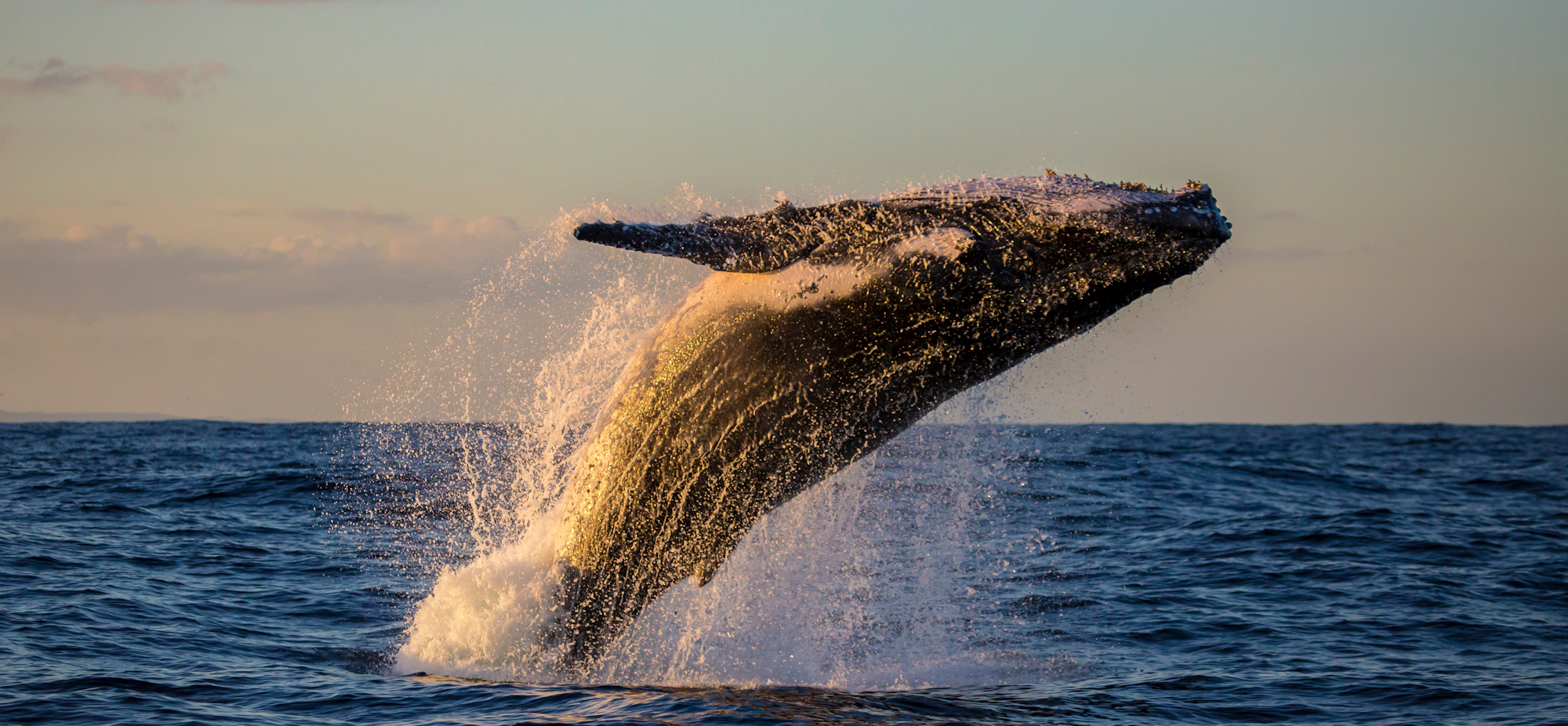
At its best, whale watching Gloucester MA feels less like tourism and more like stepping briefly into another world. The ocean gets huge out there. Quiet too, sometimes. Then suddenly a humpback explodes through the surface and everybody on board forgets how to talk for a second.
That’s the magic of it.
You don’t need perfect weather or flawless conditions to have an incredible trip. You just need realistic expectations, decent preparation, and enough patience to let the experience unfold naturally. Dress properly. Listen to the crew. Put the phone down once in a while.
And if you’re choosing a tour, a good Cape Ann whale watch experience gives you access to some of the richest whale feeding grounds anywhere on the East Coast. That’s why people keep coming back year after year. Because even after one amazing trip, there’s always the feeling that the next launch could somehow top it.

 English
 Arabic
 French
 Spanish
 Portuguese
 Deutsch
 Turkish
 Italiano
 Russian
 Romaian
 Portuguese (Brazil)
 Greek
Greek