


Top Multi-Service Food Delivery App Ideas for Startups
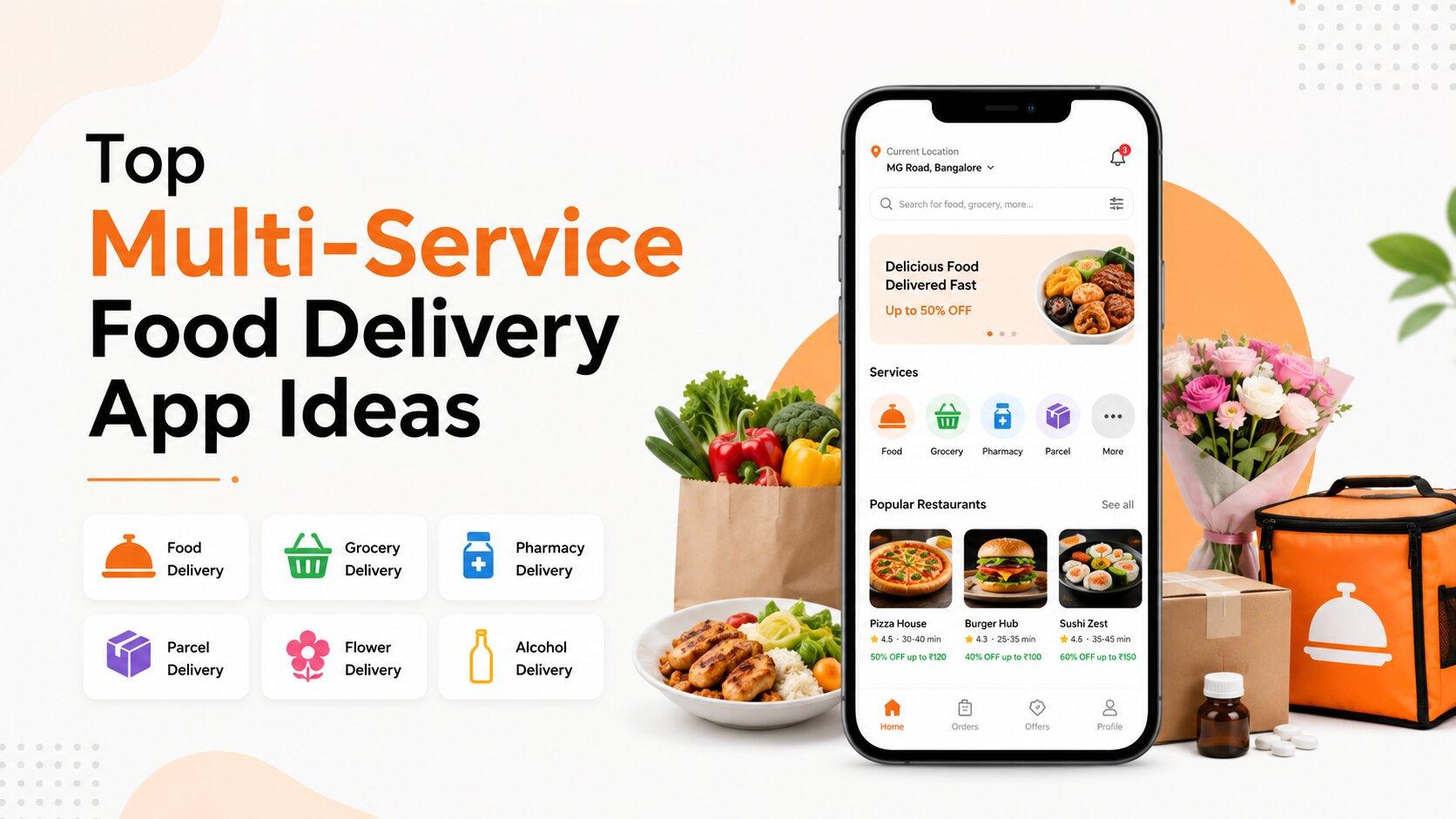
The food delivery industry has witnessed a remarkable transformation in recent years, driven by consumer demand for convenience and the rapid advancement of technology. As more people turn to their smartphones for everything from ordering dinner to scheduling groceries, the potential for innovative multi-service food delivery apps has never been greater.
Startups looking to enter this dynamic market have a wealth of opportunities to explore, from subscription meal plans to personalized dietary solutions. This article delves into some of the top multi-service food delivery app ideas that can help aspiring entrepreneurs carve out a niche in this competitive landscape, while also examining market trends, key features, and monetization strategies essential for success.
Overview of Multi-Service Food Delivery Apps
Definition and Scope
Multi-service food delivery apps are platforms that enable users to order not just food, but a variety of related services from the comfort of their couch. Think of it as a Swiss Army knife for your cravings! These apps typically include options for meal delivery, groceries, and even household essentials, all in a few taps. With the hustle and bustle of modern life, these apps save time and effort, making them a go-to choice for busy individuals and families alike.
Common Types of Services Offered
While the star of the show is typically food delivery, multi-service apps often branch out into several exciting areas. Expect meal delivery from local restaurants, grocery shopping, meal prep services, and even alcohol delivery (because who doesn’t want a bottle of wine delivered alongside their pizza?). Some apps might also include services like catering or kitchen supplies, transforming your device into a one-stop shop for all your culinary whims.
Market Trends Influencing Food Delivery Services
Growth of Online Food Delivery
The online food delivery market has exploded faster than a microwave burrito! With an increasing number of consumers opting for the convenience of ordering in, this trend shows no signs of slowing down. As more people embrace the ease of tapping their smartphones for meals, startups have a golden opportunity to carve out their niche in this booming market.
The Rise of Health-Conscious Options
Gone are the days when takeout meant greasy burgers and soggy fries. Today, the health-conscious consumer is king (or queen). There’s a growing demand for vegan, gluten-free, and organic options that don’t taste like cardboard. Startups that cater to this trend can tap into a lucrative market by offering nutritious meal choices that keep taste buds happy while satisfying dietary restrictions.
Technological Advancements in Delivery Services
Technology is not just a buzzword; it's the backbone of modern food delivery services. From AI-powered recommendations that anticipate cravings to drones dropping off your dinner, technological innovation is transforming how we eat. Startups can leverage the latest advancements in logistics, real-time tracking, and customer engagement to enhance user experiences and streamline operations.
Innovative App Ideas for Startups
Subscription-Based Meal Plans
Imagine signing up for a weekly feast delivered right to your door, like a culinary surprise party! Subscription-based meal plans can offer users an exciting way to experience new cuisines without the hassle of meal prep. This approach not only guarantees consistent revenue for startups but also builds customer loyalty as users eagerly await their next delicious delivery.
Personalized Dietary Solutions
With everyone becoming a self-proclaimed health guru, personalized dietary solutions can make your app stand out. By using user preferences, dietary restrictions, and health goals, startups can create custom meal plans that cater to individual needs. It’s like having a personal chef who knows exactly how you like your avocado toast!
Local Ingredient Sourcing Platforms
With the farm-to-table movement gaining momentum, why not create a platform that connects local farmers with consumers? A local ingredient sourcing app not only supports community agriculture but also provides users with fresher, more sustainable options. Plus, who doesn’t want to boast about their locally-sourced ingredients at dinner parties?
Key Features to Include in Your Food Delivery App
User-Friendly Interface
Let’s face it: if your app isn’t easy to navigate, users will abandon it faster than cold takeout. A clean, intuitive interface is crucial for keeping customers happy. Ensure that everything from browsing menus to checking out is as smooth as butter (or plant-based margarine, if that’s your jam).
Real-Time Order Tracking
Nothing hypes up a meal more than being able to track its journey! Real-time order tracking keeps users engaged, letting them watch as their food makes its way from the restaurant to their doorstep. Plus, it’s a great way to manage the inevitable "Is it here yet?" syndrome!
Payment Flexibility and Security
Users want options when it comes to paying for their food—credit cards, digital wallets, or even good old cash. Ensure your app offers multiple payment methods to cater to everyone. And remember: keeping payment information secure is critical. Your customers should feel confident that their financial details are safe, allowing them to focus on what really matters—enjoying their meal!
Target Audiences and Their Preferences
Young Professionals
Young professionals are always on the go and have a penchant for convenience. They’re often juggling busy schedules, working late nights, and dodging social commitments. Their food preferences lean towards quick, delicious meals that don’t compromise on quality. They appreciate apps that offer a diverse range of cuisines, healthy options, and seamless user experiences—like a magic wand for dinner.
Families and Busy Parents
Families and busy parents are another key demographic, typically juggling their kids' schedules, work responsibilities, and that never-ending laundry pile. They crave options that cater to everyone—picky eaters included! These consumers want reliable delivery, family-size meals, and kid-friendly options that won’t leave anyone in tears (or at the very least, anyone over the age of five). Convenience is their mantra, and loyalty is often earned through consistency.
Health Enthusiasts
Health enthusiasts are all about balance and nutrition, often keeping track of their macros while scrolling through Instagram. They seek out meal-prep services, fresh ingredient delivery, and healthy snack options that align with their wellness goals. Apps that offer detailed nutritional information, customization, and trendy health foods (think vegan, gluten-free, or keto) will find a dedicated following. After all, nobody wants to devour a salad and feel like a total bore!
Monetization Strategies for Food Delivery Startups
Commission-Based Revenue Models
The tried-and-true commission-based revenue model is where food delivery apps take a slice of the pie—literally. By charging restaurants a commission for each order, startups can create a sustainable revenue stream. While this model is a classic, balancing competitive commissions without scaring off potential restaurant partners is key. Nobody wants a sour taste in their mouth before dessert!
Advertising Partnerships
Advertising partnerships can serve as a golden nugget for additional revenue. By collaborating with local restaurants, brands, and even fitness centers, food delivery apps can promote sponsored content or featured listings. This not only drives extra income but also enhances the user experience with tailored ads that actually match diners' cravings. Just remember not to bombard users with ads—nobody likes a digital spam sandwich.
Premium Membership Plans
Offering premium membership plans can add an enticing twist to monetization strategies. Think free delivery, exclusive discounts, or priority customer support for a monthly fee. If done right, users will feel like VIPs, while your startup rakes in the benefits. Just ensure the perks are worth the extra bucks—nobody’s subscribing for second-rate fries, after all!
Challenges and Considerations for Launching a Multi-Service App
Logistical Hurdles
Logistical hurdles can feel like a high-stakes game of Tetris. From coordinating delivery personnel to managing inventory and routes, the complexity multiplies with every additional service your app offers. Startups must juggle delivery times, ensure food quality, and keep customers happy—because nobody enjoys cold sushi from three suburbs away.
Regulatory Compliance Issues
Navigating regulatory compliance can feel like deciphering a foreign language. Food safety regulations, delivery permits, and health codes require careful attention to avoid landing in hot water. It’s essential to be well-versed in the legal landscape of the regions you serve, so your startup isn’t left scrambling to fix compliance blunders while dealing with an angry customer and a bad Yelp review.
Competition Analysis
In the crowded world of food delivery, competition analysis is the name of the game. Keeping a close eye on your rivals—what they're offering, how they’re marketing, and what makes them tick—can provide valuable insights. Understanding the competitive landscape allows startups to identify trends, find gaps in the market, and carve out a unique identity. After all, you want your app to be the cherry on top, not just another scoop in the ice cream parlor of mediocrity!
Future of Food Delivery: Trends and Predictions
Integration of AI and Machine Learning
The future of food delivery is looking to AI and machine learning like a kid in a candy store. These technologies can optimize delivery routes, personalize user experiences, and even predict customer cravings based on order history. Imagine an app that knows you’re in the mood for tacos on Taco Tuesday—because that’s just the kind of psychic future we’re heading toward!
Expansion into New Markets
Expansion into new markets is the next big frontier for food delivery apps. Emerging markets, rural areas, and untapped demographics are rife with potential. As urban dwellers become more comfortable with delivery services, rural areas will start catching on too. It’s all about creating accessibility and awareness, and suddenly, your startup is serving up hot meals in places you never thought possible!
Environmental Sustainability Trends
With the environment at the forefront of societal concerns, food delivery apps are increasingly leaning into sustainability trends. From eco-friendly packaging to promoting plant-based options, startups can attract eco-conscious consumers by making green choices. Embracing sustainability isn’t just good for the Earth; it’s a branding opportunity that resonates with a growing audience looking to make better choices—one bite at a time
conclusion
The multi-service food delivery app market offers exciting opportunities for startups willing to innovate and adapt to changing consumer preferences. By leveraging the ideas and strategies discussed in this article, entrepreneurs can create unique platforms that not only satisfy the growing demand for convenience but also stand out in a crowded industry. As technology continues to evolve and consumer habits shift, those who remain agile and responsive to trends will be best positioned to thrive in this ever-changing landscape.
Frequently Asked Questions (FAQ)
What are multi-service food delivery apps?
Multi-service food delivery apps are platforms that offer a variety of food-related services, such as meal deliveries from restaurants, grocery shopping, and meal kit deliveries, all within a single application.
How can startups differentiate themselves in the food delivery market?
Startups can differentiate themselves by offering unique features such as personalized dietary options, subscription meal services, or focusing on local and sustainable ingredients, as well as providing exceptional customer service and user experience.
What are some common monetization strategies for food delivery apps?
Common monetization strategies include commission-based revenue from partner restaurants, subscription models for regular customers, advertising partnerships, and premium membership plans that offer exclusive benefits.
What challenges do new food delivery startups face?
New food delivery startups may face challenges such as logistical issues in managing deliveries, navigating regulatory compliance, establishing a strong brand presence, and competing with established players in the market.

 English
 Arabic
 French
 Spanish
 Portuguese
 Deutsch
 Turkish
 Dutch
Dutch
 Italiano
 Romaian
 Portuguese (Brazil)
 Greek
Greek