


Spotting Skin Issues in Newborns: Eczema vs Acne
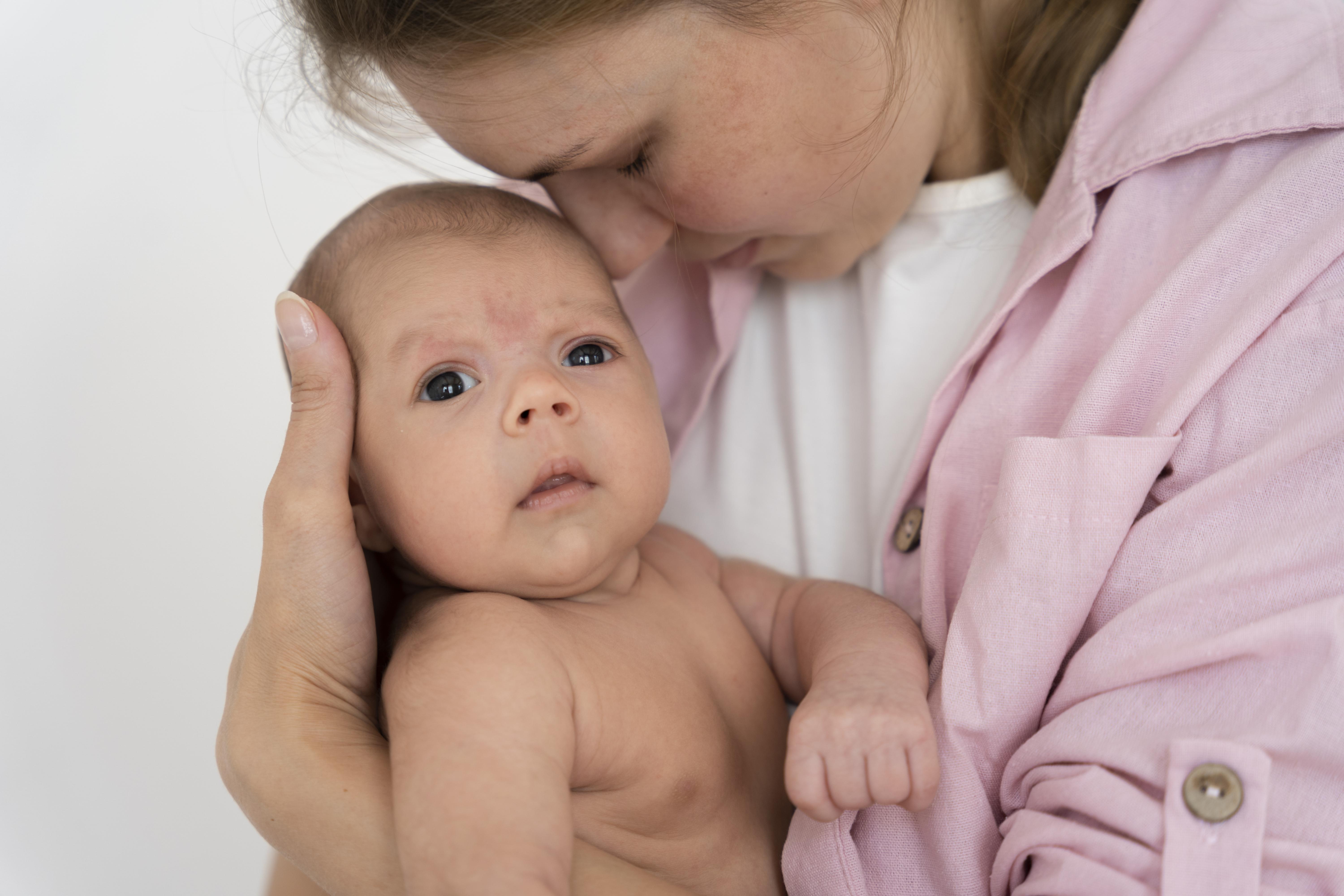
New parents often worry when they notice red bumps or rashes on their baby's delicate skin. Two common skin conditions that affect newborns are eczema and acne. While both may look similar at first glance, they are quite different. Understanding the difference between baby eczema vs acne helps parents provide the right care for their little ones.
What is Baby Acne?
Baby acne appears as small red or white bumps on a newborn's face. These tiny spots usually show up on the cheeks, nose, and forehead. Most babies develop this condition within the first few weeks after birth. The bumps look similar to teenage acne but are much milder.
Doctors believe baby acne happens because of hormones passed from mother to baby during pregnancy. These hormones can make the baby's oil glands work overtime, leading to clogged pores. The good news is that baby acne is temporary and harmless. It does not bother the baby and goes away on its own.
Baby acne typically appears when infants are two to four weeks old. The bumps may come and go for several months. Some babies have just a few spots, while others have more noticeable breakouts. The condition clears up completely by the time most babies reach six months old.
What is Baby Eczema?
Baby eczema, also called atopic dermatitis, creates dry and itchy patches on the skin. Unlike acne, eczema causes rough, scaly areas that can appear anywhere on the body. Common spots include the face, scalp, arms, and legs. The affected skin often looks red and feels bumpy to the touch.
Eczema develops when the skin barrier does not work properly. This allows moisture to escape and irritants to enter. Babies with family members who have allergies, asthma, or eczema are more likely to develop this condition. Environmental factors like dry air, harsh soaps, and certain fabrics can trigger flare-ups.
The itchy feeling bothers babies more than the appearance of eczema. Infants may cry more, rub their skin against bedding, or have trouble sleeping. The scratching can make the condition worse and sometimes lead to skin infections. Parents need to watch for signs of discomfort and take action to soothe their baby's skin.
Key Differences Between the Two Conditions
Learning about baby eczema vs acne becomes easier when you know what to look for. Baby acne shows up as individual bumps that look like pimples. These bumps have a smooth texture and do not cause itching. The skin around the bumps appears normal and healthy.
Eczema presents as patches rather than individual bumps. The patches feel rough and dry to the touch. The skin often cracks and may ooze clear fluid when severe. Babies with eczema constantly try to scratch the affected areas because of intense itching.
Location provides another important clue. Baby acne mainly affects the face, especially the cheeks and forehead. Eczema can appear anywhere, but commonly shows up on the cheeks, outside of arms, and front of legs in young babies. As babies grow, eczema often moves to the creases of the elbows and knees.
The timing also varies for these conditions. For instance, baby acne usually appears within the first month of life and typically clears up by six months.
Eczema can start anytime during the first year and may continue for years. Some children outgrow eczema, while others deal with it into adulthood.
How to Care for Baby Acne
Baby acne requires minimal treatment because it goes away naturally. Parents should keep their baby's face clean by washing it once daily with warm water. Use a soft washcloth and gentle motions. Avoid scrubbing because this can irritate the delicate skin.
Skip the adult acne products. These contain harsh chemicals that damage the baby's skin. Also, avoid oily lotions or creams on areas with acne. These products can clog pores and make bumps worse. Let the skin breathe and heal on its own.
Never try to pop or squeeze the bumps. This can introduce bacteria and cause infections. The spots will fade naturally without any intervention. Most importantly, remember that baby acne does not hurt your child or leave scars.
How to Care for Baby Eczema
Managing eczema takes more effort than caring for baby acne. Keeping skin moisturized stands as the most important step. Apply a thick, fragrance-free moisturizer several times each day. The best time to moisturize is right after bathing, when skin is still damp.
Give your baby short, lukewarm baths. Hot water strips away natural oils and worsens dryness. Use mild, fragrance-free cleansers made for sensitive skin. Pat the skin dry gently instead of rubbing. Dress your baby in soft, breathable cotton clothing.
Identify and avoid triggers that cause flare-ups. Common triggers include rough fabrics, pet dander, dust, and certain foods for older babies. Keep your home at a comfortable temperature because overheating can trigger itching. Use a humidifier during dry months to add moisture to the air.
Trim your baby's fingernails short to prevent scratching damage. Some parents use soft mittens during sleep time. If eczema becomes severe or infected, consult your pediatrician. They may prescribe special creams or ointments to control inflammation.
When to See a Doctor
Understanding baby eczema vs acne helps parents know when medical attention is necessary. Baby acne rarely requires a doctor visit. However, if bumps spread all over the body or your baby develops a fever, seek medical advice.
Eczema sometimes needs professional treatment. Call your doctor if the rash looks infected with yellow crusting, oozing, or increased redness. Severe itching that prevents sleep or feeding also warrants medical attention. Your pediatrician can recommend stronger treatments or refer you to a skin specialist.
Watch for signs that your baby feels uncomfortable. Excessive crying, refusal to eat, or extreme fussiness may indicate that skin problems need medical evaluation. Trust your instincts as a parent. If something seems wrong, getting professional advice provides peace of mind.
Final Thoughts
Both eczema and acne are common in babies and usually improve with time. Baby acne clears up quickly without treatment. Eczema requires ongoing care but becomes manageable with the right approach. Knowing the differences between these conditions empowers parents to provide appropriate care. With patience and gentle skincare habits, your baby's skin will stay healthy and comfortable.

 English
 French
 Spanish
 Portuguese
 Deutsch
 Turkish
 Dutch
Dutch
 Italiano
 Russian
 Romaian
 Portuguese (Brazil)
 Greek
Greek