Learn how to avoid food poisoning while traveling abroad with practical food safety travel tips, travel healthcare advice, and tourist medical emergency support for travelers.
Traveling to a new country is exciting. You get to explore different cultures, try local dishes, and enjoy new experiences. But for many travelers, one common problem can quickly ruin a trip — food poisoning. From mild stomach discomfort to serious dehydration, stomach infection while traveling is more common than people expect. The good news is that most cases can be prevented with a few smart habits. Whether you are traveling across Europe or planning a long international vacation, understanding basic food safety travel tips can help you stay healthy and enjoy your journey without stress.
Why Food Poisoning Happens During Travel
Food poisoning usually happens when food or water becomes contaminated with bacteria, viruses, or parasites. Travelers are often exposed to unfamiliar cooking methods, unsafe drinking water, or poorly stored food.
Common symptoms include:
- Nausea
- Vomiting
- Diarrhea
- Fever
- Stomach cramps
- Weakness or dehydration
In some cases, symptoms can become severe enough to require immediate travel healthcare or even a tourist medical emergency consultation.
Travelers visiting busy cities such as Amsterdam often rely on services like Health4Travel’s Tourist Doctor Amsterdam for quick medical support when health issues appear unexpectedly during a trip.
Research Food Safety Before Your Trip
One of the easiest ways to reduce risk is to learn about the local food and water conditions before you travel.
Some destinations may have:
- Unsafe tap water
- Different hygiene standards
- High-risk street food areas
- Seasonal food contamination issues
Reading travel health updates and preparing in advance can make a big difference. Travelers with sensitive stomachs should also consider carrying basic medications approved by their doctor.
If you already have health insurance for travel, check whether it includes emergency medical consultations abroad. Having access to fast travel medical assistance can save time and reduce stress in unfamiliar places.
Be Careful With Drinking Water
Water safety is one of the most important factors when trying to avoid stomach infection while traveling.
In some countries, tap water may contain bacteria that your body is not used to. To stay safe:
- Drink bottled or filtered water
- Avoid ice cubes unless they are made from purified water
- Use bottled water when brushing your teeth
- Keep your water bottle sealed until use
Even healthy travelers can become sick from contaminated water, especially during long trips or hot weather.
Choose Freshly Cooked Food
Freshly prepared meals are usually safer than food left sitting out for long periods.
When eating at restaurants or local markets:
- Choose food served hot
- Avoid undercooked meat or seafood
- Be careful with raw eggs or unpasteurized dairy products
- Watch how vendors handle food hygiene
Street food can still be enjoyable if it is cooked fresh in front of you and served immediately.
These simple food safety travel tips are especially important for tourists moving between multiple countries in a short period.
Wash Your Hands Frequently
Many travelers underestimate how easily bacteria spreads through hands, surfaces, and shared public areas.
Carry:
- Hand sanitizer
- Antibacterial wipes
- Tissues for public transport or airport use
Wash your hands:
- Before eating
- After using public transport
- After visiting tourist attractions
- Before touching your face
Good hygiene habits are one of the easiest and most effective ways to protect your travel healthcare during international trips.
Avoid Risky Foods
Some foods are more likely to cause illness during travel. Try to limit:
- Raw seafood
- Buffets where food sits uncovered
- Cut fruits sold in open markets
- Salads washed with unsafe water
- Food stored at room temperature
Instead, choose busy restaurants with good reviews and high customer turnover. Fresh food is generally safer than meals prepared hours earlier.
What to Do If You Get Food Poisoning Abroad
Even careful travelers can sometimes get sick. If symptoms begin, focus on hydration and rest immediately.
Drink:
- Bottled water
- Oral rehydration solutions
- Clear soups
- Electrolyte drinks
Avoid:
- Alcohol
- Heavy meals
- Dairy products
- Spicy foods
Mild symptoms often improve within 24 to 48 hours. However, you should seek travel medical assistance if you experience:
- High fever
- Blood in stool
- Severe dehydration
- Continuous vomiting
- Symptoms lasting several days
In cities popular with tourists, quick access to global healthcare services can help travelers receive treatment without language barriers or long waiting times.
Why Travel Health Support Matters
Medical problems can feel overwhelming when you are far from home. Many tourists are unfamiliar with local healthcare systems, emergency numbers, or clinic locations.
This is why reliable travel healthcare support is important. Services designed for international travelers help connect tourists with doctors quickly and safely.
For example, travelers in the Netherlands can access Health4Travel Tourist Doctor Amsterdam for medical consultations, prescriptions, and support tailored for tourists visiting Amsterdam.
Having access to trusted global healthcare services gives travelers peace of mind throughout their journey.
Final Thoughts
Food poisoning can interrupt even the best vacation plans, but simple precautions can greatly reduce the risk. Paying attention to food hygiene, drinking safe water, and preparing for emergencies are essential steps for healthy travel.
Whether you are backpacking through Europe, traveling for business, or taking a family holiday, staying informed helps protect your health abroad.
Remember, good preparation, smart food choices, and quick access to travel medical assistance can make your trip safer and far more enjoyable.
FAQ
How can I avoid food poisoning while traveling?
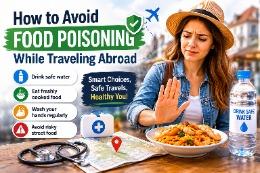
Drink safe water, eat freshly cooked meals, wash your hands regularly, and avoid risky foods like raw seafood or uncovered street food.
What should I do if I get food poisoning abroad?
Stay hydrated, rest, and seek medical help if symptoms become severe or last longer than two days.
Does health insurance for travel cover food poisoning treatment?
Many travel insurance plans cover emergency medical treatment, but coverage depends on your policy. Always check your plan before traveling.
When should I seek emergency medical help for food poisoning?
You should seek immediate care if you experience severe dehydration, high fever, blood in stool, or continuous vomiting.




 English
 Arabic
 French
 Spanish
 Portuguese
 Deutsch
 Turkish
 Dutch
Dutch
 Italiano
 Russian
 Romaian
 Portuguese (Brazil)