


What Is the Best Training Plan for the Everest Base Camp Trek
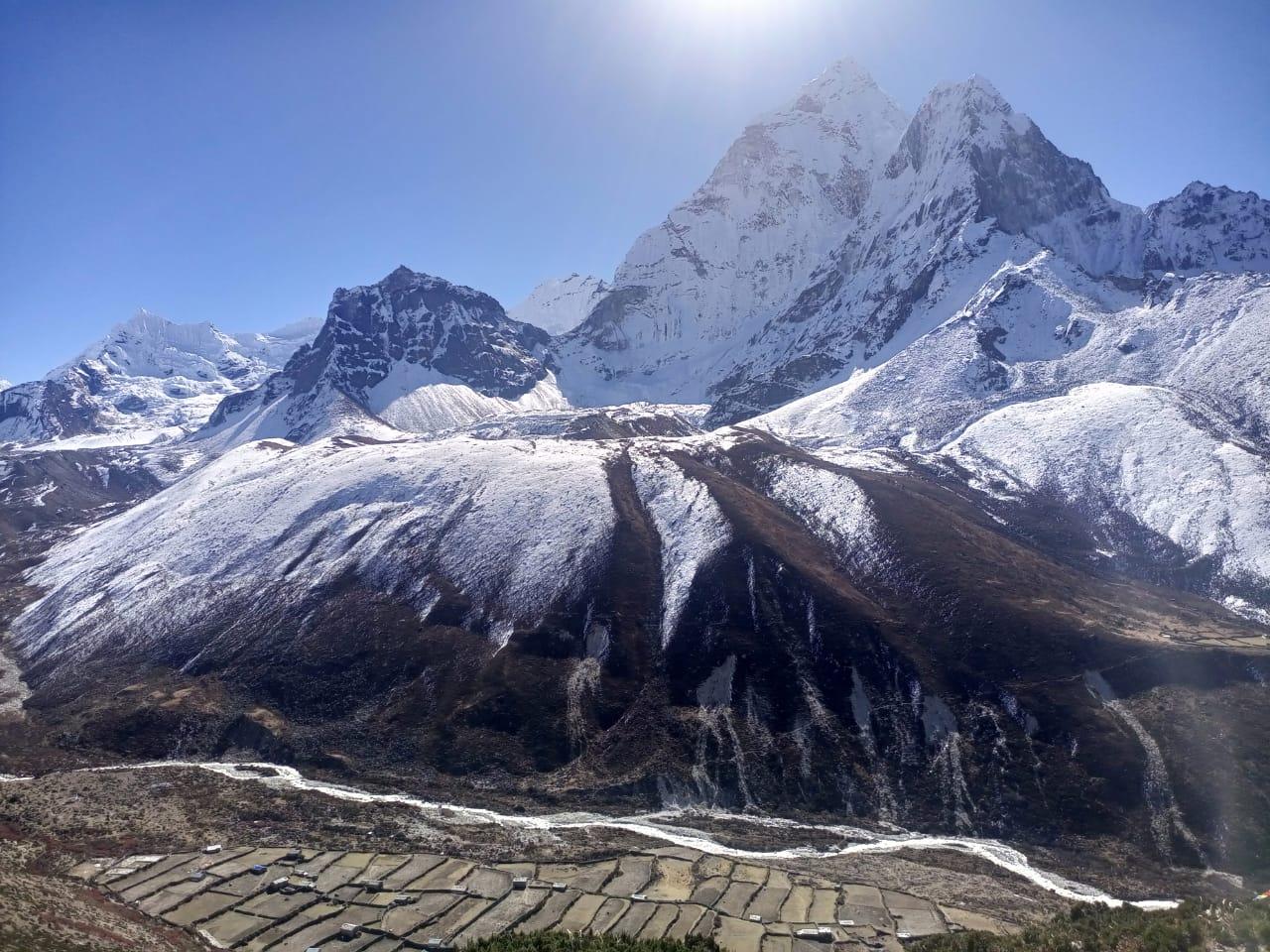
Getting ready for the Everest Base Camp trip means following a clear routine to boost stamina, muscle power, and inner toughness. Through rough landscapes and thin air close to Everest, breath becomes harder, steps grow longer, yet bodies must keep moving. This kind of prep won’t turn walkers into champions; instead,d it readies them for uphill climbs, sore legs, and tired minds after days on trail. Success comes from mixing steady heart workouts, muscle drills, real hikes, plus time spent thinking ahead - built slowly across weeks, sometimes months.
Improving Heart Health for Extended Hiking
Most people heading to Everest Base Camp start by building strong heart health. Running or swimming each week trains the lungs to work better when air gets thin. Hours of uphill trail time mean the legs must keep moving without tiring too fast. Walking quickly every few days builds that kind of lasting strength. Hard efforts matter less than showing up again and again. The body learns rhythm through repetition, not bursts. Even slow progress adds up if it never stops.
Leg and core strength training
Building strength helps handle the rough paths found in the Everest area. Squats, lunges, stepping onto platforms, calf lifts - these boost muscle power for going up slopes and coming down them too. Planks and moves that target the middle section of your body help you stay steady when weighted down. On bumpy ground close to the peak, keeping control matters more than speed. When legs are conditioned well, less pressure hits knees and hips across many hours of walking.
Hiking With a Heavy Backpack
Balance shifts, breath rhythms, and step timing adjust naturally through repetition. Moving under load across rough land trains the body much like the path toward Everest Base Camp requires. Real mountain movement feels familiar when practice matches its demands.
Weekly Training Plan for Steady Progress
Week after week, mixing different types of exercise keeps improvement smooth while avoiding burnout. Cardio shows up most days, while lifting weights happens twice or thrice under calm skies. One extended hike slips into the routine every seven days, testing stamina on rougher ground. Muscles need stillness just as much - quiet time heals tissue, blocks harm before it spreads. Stick with it past eight weeks, maybe stretch toward twelve, roots grow deep beneath effort. Push harder by slow degrees so bones and lungs learn cold thin air like an old trail.
Stair Climbing and Elevation Simulation Training
Up next, tackling steps builds strength much like hiking upward through mountain paths. Legs grow tougher when faced with steady climbs, while heart fitness gets a quiet boost along the way. Instead of flat ground, choosing stair climbers or actual flights - loaded backpack included - mirrors what happens on rugged Himalayan routes. When it comes to sharp slopes around Everest's reach, this practice makes a noticeable difference. Over time, rising again and again teaches the body how to push forward even when air thins and breathing slows.
Flexibility and Mobility Training Help Prevent Injuries
Loose muscles move better. Stretching, yoga, or simple mobility routines keep tissues supple, lowering injury odds. Walking for hours on a trek pulls on legs constantly. Without attention, stiffness creeps into joints and limits stride. Picture bending easier through rough terrain - hips open, knees glide, ankles turn without resistance. That fluidity comes from consistent practice before departure. Each session builds resilience against tight slopes and heavy packs. Movement becomes less effortful, strain fades behind. After tough stretches on trail, limbs bounce back quicker when trained well. Comfort stays longer across rocky paths and thin air. The body adapts quietly, mile by mile.
Mental Readiness for Tough Long Distance Hikes
Staying tough in mind matters just like fitness when walking to Everest Base Camp. Long stretches of trail often feel dull, yet they test how well someone keeps going despite strain. Instead of giving in to tired thoughts, some picture success ahead - step by step. Setting small targets along the way works better than fixating on the distant endpoint. Even a steady pace through rough hours builds quiet confidence over time. Weather might shift without warning; cold winds arrive fast near high ground. Rather than react sharply,those whoo are e ready accept such moments as part of progress. Altitude plays tricks - slowing breath, clouding rhythm - but knowing this helps people adapt smoothly. Focus stays sharper if expectations are clear before boots hit the trail. Pushing past doubt becomes easier once familiarity grows with hardship's patterns. Reaching base camp seems far at first, though each day shortens that gap without fanfare.
Know Altitude Risks Before You Hike
Most people overlook how height changes your body, yet it shapes every move you make when getting ready. Fitness matters, still spotting signs - headache, nausea, dizziness - keeps things safe. As bodies adapt slowly, knowing that shift helps travelers climb step by step without rushing. Drinking well, moving at a steady beat, pausing when needed - all these cut down dangers way up high. When lessons meet real air, choices get sharper near Everest’s stretch of sky.
Everest Base Camp Training Plan Overview
Getting ready for the Everest Base Camp hike means mixing steady cardio work with muscle-building exercises, time spent walking uphill, then quiet moments to strengthen focus - all spread across many weeks. Long hours on rough ground at extreme heights demand a body that holds up, paired with a mind that stays calm when tired. One day after another of climbing prepares lungs and legs while slowly adjusting them to the thinner air found higher up near Everest. Sticking with training helps people feel steadier as they move through mountain passes where every breath takes effort. Following a clear routine does not just lower risks - it opens space for richer experiences along trails surrounded by massive peaks.

 English
 Arabic
 French
 Spanish
 Deutsch
 Turkish
 Dutch
Dutch
 Italiano
 Russian
 Romaian
 Portuguese (Brazil)
 Greek
Greek