


Step-by-Step Root Canal Therapy Procedure and Recovery Tips
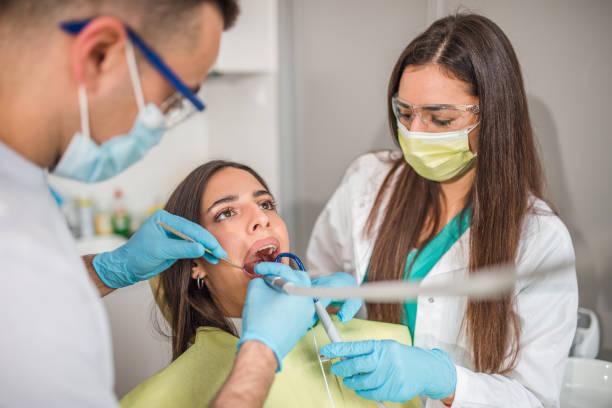
Introduction: When Tooth Pain Becomes Impossible to Ignore
A sharp, lingering toothache has a way of disrupting everything, sleep, meals, concentration, and even simple conversations. Many patients try to ignore it at first, hoping it will fade on its own, but persistent pain often signals a deeper issue within the tooth. In many cases, the source is an infection or inflammation within the pulp, which requires timely treatment to prevent further complications.
Root canal therapy has long been one of the most effective ways to save a natural tooth rather than remove it. Modern techniques have made the procedure far more comfortable and predictable than most people expect. A trusted dentist in Marietta typically recommends root canal treatment when the tooth can still be saved, but the internal pulp is no longer healthy.
Understanding Why Root Canal Therapy Is Needed
Inside every tooth is a soft tissue called the pulp, which contains nerves and blood vessels. When this tissue becomes infected due to deep decay, cracks, or repeated dental procedures, it can cause severe pain and sensitivity. If left untreated, the infection may spread, leading to abscess formation or even tooth loss. The goal is to remove the infection, clean the inside of the tooth, and preserve its structure for long-term use.
Step 1: Diagnosis and Dental Examination
The process begins with a detailed examination, including X-rays to assess the extent of infection. The dentist checks for signs such as swelling, sensitivity to hot or cold, and pain while chewing.
Once the diagnosis is confirmed, a treatment plan is created. In many cases, root canal therapy in Marietta is recommended as the most effective way to eliminate infection while preserving the natural tooth.
Step 2: Numbing and Isolation of the Tooth
Before the procedure begins, local anesthesia is administered to ensure the patient feels minimal discomfort. Once the area is numb, a dental dam is placed to isolate the tooth and keep it clean and dry during treatment.
This step is essential because it creates a controlled environment in which the dentist can safely access the infected area without contaminating it.
Step 3: Removing the Infected Pulp
A small opening is made in the top of the tooth to access the pulp chamber. Specialized instruments are then used to carefully remove infected or damaged tissue from inside the canals.
This step is critical because it eliminates the source of pain and infection. The canals are then shaped and prepared for cleaning to ensure no bacteria remain inside.
Step 4: Cleaning and Disinfection
Once the infected tissue is removed, the inside of the tooth is thoroughly cleaned and disinfected using antimicrobial solutions. This helps eliminate any remaining bacteria and reduces the risk of reinfection.
The canals are then shaped to prepare them for filling, ensuring a proper seal that protects the tooth structure.
Step 5: Filling and Sealing the Tooth
After cleaning, the empty canals are filled with a biocompatible material called gutta-percha. This material seals the space and prevents bacteria from entering again.
A temporary or permanent filling is then placed on top of the tooth to restore its structure. In most cases, a crown is later recommended to strengthen and protect the treated tooth.
Recovery Tips for Faster Healing
Recovery after root canal therapy is usually straightforward, but proper care is important. Mild soreness or sensitivity is normal for a few days and can typically be managed with over-the-counter pain relief as advised by your dentist.
Patients are encouraged to avoid chewing on the treated side until the tooth is fully restored with a crown or permanent filling. Maintaining good oral hygiene, including gentle brushing and flossing, helps prevent future complications.
Follow-up visits are also important to ensure proper healing and long-term success of the treatment.
Conclusion
Root canal therapy in Marietta is not something to fear, it is a highly effective procedure designed to save natural teeth and restore comfort. With modern techniques, the process is far more comfortable than many people expect, and recovery is usually quick with proper care.
When treated early and correctly, patients can preserve their natural smile for many years, avoiding the need for more complex dental replacements in the future.

 Arabic
 French
 Spanish
 Portuguese
 Deutsch
 Turkish
 Dutch
Dutch
 Italiano
 Russian
 Romaian
 Portuguese (Brazil)
 Greek
Greek