


How Do Wallet Drainer Scams Actually Work and Protection and Safety Methods for Beginners
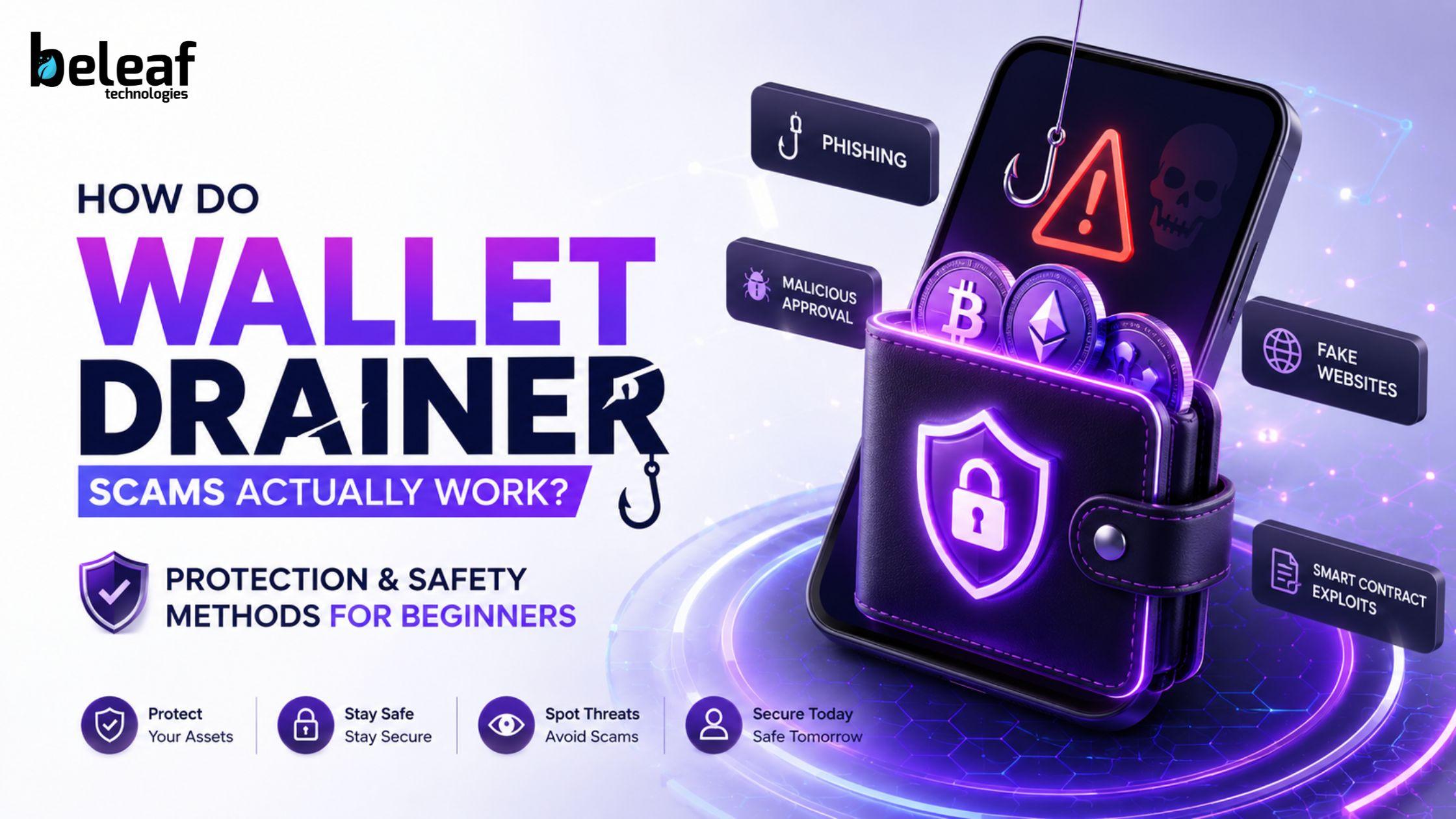
Wallet drainer scams are becoming one of the most talked-about threats in the crypto industry today. Many beginners enter the Web3 world with excitement, hoping to explore blockchain projects, NFTs, DeFi platforms, and digital investments without fully understanding how wallet approvals and phishing tricks can become dangerous. At first, everything looks normal. A website asks users to connect a wallet, approve a transaction, or claim a reward. Within moments, digital assets may disappear because of hidden permissions users never noticed. This is why learning about wallet safety is becoming just as important as learning about crypto itself.
Why Wallet Drainer Threats Are Increasing Rapidly in the Crypto World
The cryptocurrency industry continues to grow at a fast pace each year. More people are using decentralized applications, blockchain wallets, and digital assets than ever before. While this growth creates exciting opportunities, it also attracts scammers searching for easy targets. Unlike traditional hacking, many wallet drainer scams depend on user trust and confusion. Attackers create fake websites that look almost identical to trusted crypto platforms. Users are often pushed into making quick decisions through emotional messages such as limited NFT mints, urgent token claims, or exclusive rewards. Because of this growing problem, many blockchain communities now educate users about wallet security risks before encouraging deeper Web3 participation.
Understanding How Wallet Drainer Attacks Actually Work
Most wallet drainer attacks follow a simple process. First, attackers create fake decentralized applications, copied websites, or phishing links that appear trustworthy. Once users connect their wallets, the platform requests a transaction approval. The request may look harmless, but hidden inside the smart contract can be dangerous permissions. Some approval exploitation methods allow unauthorized access to tokens, NFTs, or wallet assets later without users realizing the risks involved. Cybersecurity educators now demonstrate malicious approval requests and simulate realtime wallet drain in decentralized applications within controlled learning environments. These educational systems help users recognize suspicious wallet behavior before facing real attacks. Learning how these scams operate can help users recognize warning signs early and lower the chances of phishing attacks.
The Biggest Mistakes Beginners Usually Make
Many beginners focus only on profits and trending projects while ignoring wallet safety completely. One common mistake is approving transactions too quickly without reading details carefully. Another problem is trusting random links shared through social media, Telegram groups, or fake advertisements. Some users also connect their main wallet everywhere without separating long-term storage from testing activities. This increases risk because one unsafe approval can sometimes expose valuable digital assets. Simple awareness can prevent many serious mistakes before they happen.
Safety Methods Every Beginner Should Follow
Crypto security does not always require advanced technical knowledge. Small habits can create stronger protection over time. Users should always verify website domains carefully before connecting wallets. Reviewing wallet permissions fully before approving transactions is also important. Many experienced investors use separate wallets for testing new decentralized applications while keeping long-term holdings protected in another wallet. Disconnecting unused wallet permissions regularly can also reduce unnecessary exposure. These habits help protect users, prevent financial losses, and improve long-term wallet safety.
How AI Is Improving Wallet Protection
Modern blockchain security systems are becoming smarter through artificial intelligence. AI-powered phishing detection systems can now identify suspicious wallet behavior faster than traditional manual checking methods. Advanced monitoring tools also use wallet risk scoring, suspicious transaction monitoring, and security awareness dashboards to help users recognize unusual blockchain activity more clearly. Some educational platforms even use Crypto Wallet Drainer Software for cybersecurity and education training to explain automated draining methods and dangerous wallet permissions inside controlled educational environments.The goal is to spread awareness and improve understanding, not to cause panic. The purpose is to improve Web3 security awareness through better understanding and preparation.
Why Businesses Are Investing in Wallet Awareness
Blockchain businesses now understand that wallet security directly affects customer trust and platform reputation. A single phishing attack can damage user confidence and create serious financial losses. Because of this, many companies now train employees to identify phishing attempts and suspicious blockchain activity before problems grow larger. Organizations are also investing in safer blockchain infrastructure, stronger cybersecurity systems, and advanced monitoring tools to build secure Web3 ecosystems for users worldwide. Improving wallet protection is becoming part of responsible blockchain growth.
People also Ask
What exactly is a wallet drainer and how does it operate?
A wallet drainer is a scam tool that steals crypto from your wallet. It works when you connect your wallet to a fake site and approve a malicious contract, which then silently drains your tokens without needing your password or seed phrase.
How can I protect my wallet from wallet drainers?
You can safeguard your crypto wallet from drainers by carefully verifying website links, rejecting suspicious approvals, and always double-checking transaction permissions before signing. Using dedicated wallets for testing new projects and regularly revoking unused approvals can significantly strengthen your long-term crypto security.
The Future of Wallet Security
The future of crypto security will depend on both technology and user awareness. As blockchain adoption grows, attackers will continue developing more advanced phishing methods and fake wallet requests. At the same time, security systems will continue improving through AI-powered monitoring, smarter wallet protection tools, and better blockchain analytics. But technology alone is not enough. Responsible wallet habits, patience, and continuous learning will remain some of the strongest protections for crypto users. Sometimes the smartest move in crypto is not rushing into every opportunity. Sometimes it is slowing down, checking wallet permissions carefully, and protecting digital assets before problems even begin.

 English
 Arabic
 French
 Spanish
 Portuguese
 Turkish
 Dutch
Dutch
 Italiano
 Russian
 Romaian
 Portuguese (Brazil)
 Greek
Greek