


What ACP Line Adjustments Mean for Panel Quality
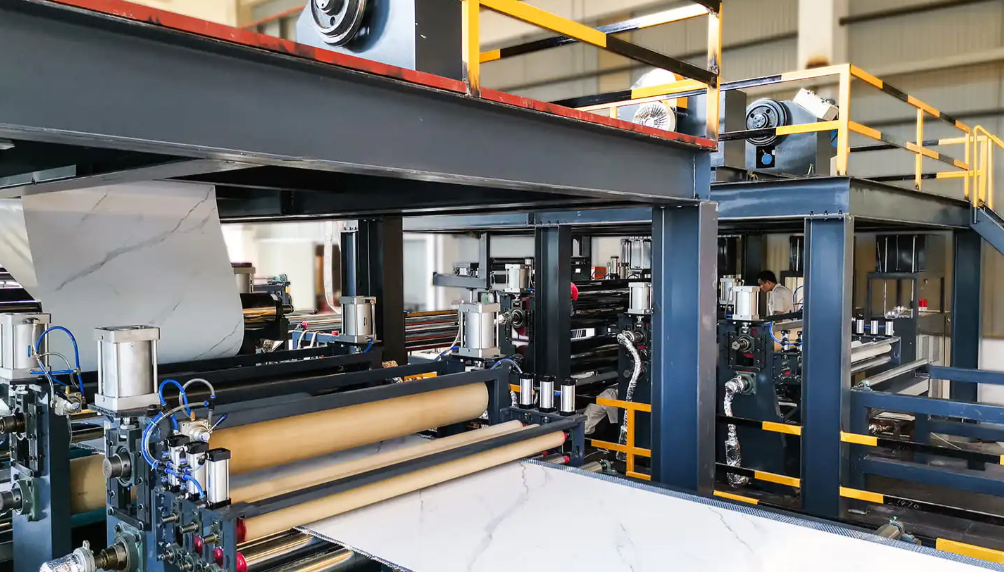
ACP Line and Aluminum Composite Material Engineering often appear in technical discussions where construction planners, distributors, and engineers compare manufacturing approaches. The connection between the two is practical: the efficiency of the ACP line influences the panel’s surface uniformity, while engineering concepts determine how aluminum skins, adhesives, and core layers behave during production.
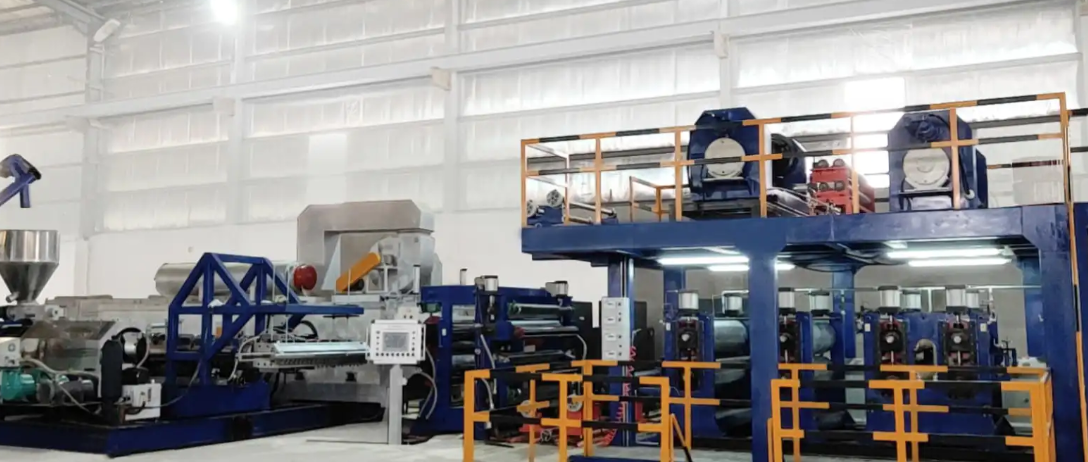
During panel formation, the feeding system guides aluminum coils and core materials into the lamination zone. Operators monitor alignment carefully because even small shifts can cause surface tension variations. The lamination rollers then compress the layers, allowing heat and pressure to create a uniform bond. Engineers observe temperature distribution and adjust heating segments so that the adhesive remains stable across the width of the sheet.
Aluminum Composite Material Engineering focuses on how the composite behaves under bending, expansion, and long-term service. Engineers run peel tests to examine bonding strength. They also evaluate how the aluminum surface interacts with coatings. These evaluations help ensure that panels perform consistently whether used indoors or outdoors.
The coating unit of an ACP line affects color accuracy. Some clients require metallic tones for architectural façades; others choose solid colors for signage. Engineers review coating thickness, gloss level, and curing behavior. They test how the finish reacts to sunlight, moisture, and mild temperature changes. These assessments help factories provide stable performance for large building projects.
An ACP line’s cooling section plays a key role in maintaining sheet flatness. After lamination, the material must cool at a controlled pace to prevent internal stress. The spacing of cooling rollers and the steady airflow influence how the panel settles. Engineers check each run, comparing how the sheet behaves at different speeds.
Cutting is another important step. Large sheets must be trimmed into consistent sizes without damaging the edges. Technicians evaluate blade sharpness and cutting alignment. They review leftover fragments to determine whether the blade pressure needs adjustment. These careful checks reduce waste and improve efficiency.
For Aluminum Composite Material Engineering, selecting the core composition affects fire behavior, rigidity, and weight. Mineral-filled cores offer enhanced stability. However, engineers must ensure they blend well with the aluminum skins during lamination. They test density, stiffness, and thermal expansion patterns before approving new batches.

 English
 Arabic
 French
 Spanish
 Deutsch
 Turkish
 Dutch
Dutch
 Italiano
 Russian
 Romaian
 Portuguese (Brazil)
 Greek
Greek