


Xanax Explained: What Patients Should Know
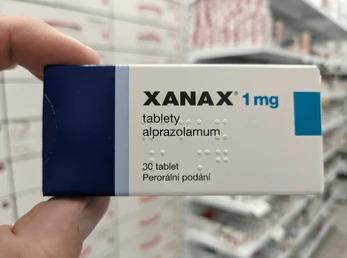
Xanax is one of the most widely recognized prescription medications used to manage anxiety and panic disorders, yet many patients begin treatment without fully understanding how it works, what risks it carries, and how to use it safely. If you have recently been prescribed Xanax or are researching treatment options for anxiety symptoms, learning the facts can help you make informed healthcare decisions. Known generically as alprazolam, Xanax belongs to a class of medications called benzodiazepines. It works by calming activity in the brain and nervous system, which can provide fast relief from excessive worry, nervousness, panic attacks, and related symptoms. While many patients experience significant benefits from Xanax, it is important to recognize that the medication is designed for specific medical purposes and should always be taken according to professional guidance. Understanding its benefits, side effects, precautions, and long-term considerations is essential for safe and effective use.
What Is Xanax and How Does It Work?
Xanax is a prescription medication primarily used to treat generalised anxiety disorder, panic disorder, and anxiety associated with certain mental health conditions. The drug works by enhancing the effects of gamma-aminobutyric acid, commonly known as GABA, a neurotransmitter that helps reduce excessive brain activity. When GABA activity increases, patients often experience a calming effect that can decrease feelings of fear, tension, and panic.
Because Xanax acts relatively quickly compared with many other anxiety medications, it is often prescribed when rapid symptom relief is needed. Some patients may notice effects within an hour of taking a dose. This fast action is one reason the medication remains commonly prescribed, but it is also why healthcare professionals carefully monitor its use.
Common Conditions Treated With Xanax
When do doctors prescribe Xanax? Xanax for anxiety disorders prescribed, panic attacks , short-term anxiety relief and some other severe stress cases. It may be used alone or with other treatment approaches such as therapy, lifestyle changes and longer-term medications. However, Xanax is not usually considered a first choice for long-term use because of the increased risk of dependence with long-term use.
Benefits and Potential Side Effects of Xanax
For many patients, Xanax can significantly improve daily functioning by reducing overwhelming anxiety symptoms. Individuals who struggle with panic attacks may experience fewer episodes, while those dealing with persistent anxiety may feel more relaxed and capable of handling everyday responsibilities. These benefits can positively affect work performance, social interactions, sleep quality, and overall well-being.
Despite these advantages, patients should be aware of potential side effects. Common side effects of Xanax include drowsiness, dizziness, fatigue, impaired coordination, difficulty concentrating, and mild memory problems. These effects may be more noticeable when starting treatment or after dosage adjustments.
Serious Risks Patients Should Understand
Although serious side effects are less common, they require immediate medical attention. Excessive sedation, breathing difficulties, severe confusion, mood changes, or allergic reactions should never be ignored. Combining Xanax with alcohol, opioids, or other central nervous system depressants can significantly increase health risks. Patients should always discuss all medications and supplements they are taking with their healthcare provider to avoid potentially dangerous interactions.
Safe Usage Guidelines for Patients
Taking Xanax exactly as prescribed is one of the most important steps in reducing risks and achieving the best possible results. Patients should never increase their dosage without medical approval, even if they feel their symptoms are worsening. Higher doses do not necessarily lead to better outcomes and may increase the likelihood of adverse effects.
It is equally important to avoid abruptly stopping Xanax after regular use. Because the body can become accustomed to the medication, sudden discontinuation may lead to withdrawal symptoms such as anxiety, irritability, insomnia, tremors, and, in severe cases, seizures. Healthcare providers typically recommend a gradual tapering schedule when discontinuation becomes necessary.
Understanding Dependence and Tolerance
One of the most discussed topics surrounding Xanax is the risk of dependence. Physical dependence can develop when the body adapts to the medication over time. Tolerance may also occur, meaning a patient may need a higher dose to achieve the same effect. These concerns do not mean every patient will develop an addiction, but they highlight the importance of responsible use and ongoing medical supervision.
Patients who have a history of substance misuse should discuss this openly with their healthcare provider before beginning treatment. Honest communication helps ensure that the most appropriate treatment plan is selected.
Questions to Ask Your Healthcare Provider
Being informed is a key part of responsible medication use. Patients may benefit from asking questions such as how long Xanax should be taken, what side effects to monitor, whether alternative treatments are available, and how the medication may interact with existing prescriptions or medical conditions. Understanding these factors can improve treatment outcomes and help build confidence in your care plan.
In addition to medication, many healthcare professionals recommend complementary approaches such as cognitive behavioural therapy, stress management techniques, exercise, mindfulness practices, and healthy sleep habits. These strategies can address underlying causes of anxiety and support long-term mental wellness.
Final Thoughts on Xanax
Xanax can be an effective tool for managing anxiety and panic-related symptoms when used responsibly and under professional supervision. Like any prescription medication, it offers both benefits and risks that patients should understand before and during treatment. By learning how Xanax works, recognising possible side effects, following safe usage guidelines, and maintaining open communication with healthcare providers, patients can make more informed decisions about their mental health care.
If you want to buy Xanax online in the UK and learn more about anxiety treatment options, medication safety, and evidence-based wellness strategies, explore our latest resources and subscribe for expert insights that help you take control of your health journey.

 English
 Arabic
 French
 Spanish
 Portuguese
 Deutsch
 Turkish
 Dutch
Dutch
 Italiano
 Romaian
 Portuguese (Brazil)
 Greek
Greek