


Is Shortness of Breath After Eating a Serious Concern?
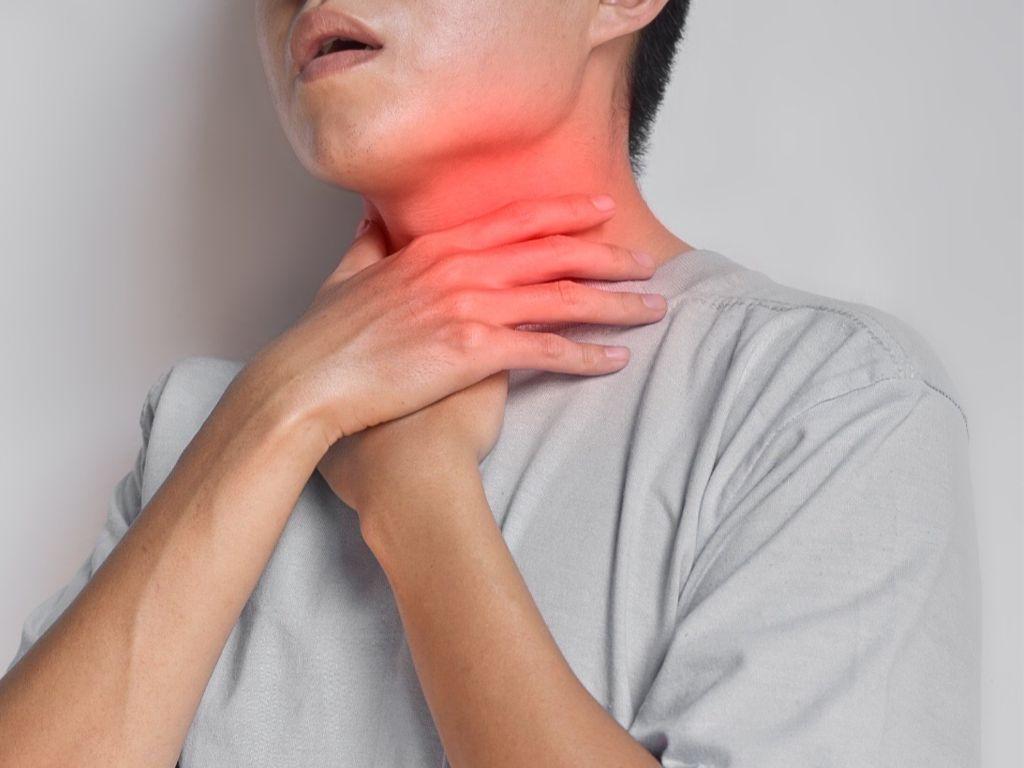
Experiencing shortness of breath after food can be an alarming and uncomfortable symptom. It's something many people have encountered, whether it’s after a large meal, eating spicy foods, or consuming something that doesn’t sit well with the stomach. While it’s not uncommon, it’s important to understand what might be causing this symptom, whether it’s a minor inconvenience or something that requires medical attention. Understanding the connection between your breathing and digestion can provide some relief and clarity, helping you address the issue effectively.
Understanding the Link Between Digestion and Breathing
When you eat, your body shifts its energy towards digesting food. This process involves the stomach and intestines working to break down the food, which in turn leads to increased blood flow towards the digestive system. For some, this shift can cause a feeling of breathlessness, particularly if you’ve consumed a large or rich meal. The body’s focus on digestion can temporarily alter the amount of oxygen circulating in the blood, leading to feelings of shortness of breath.
Health and wellness in more severe cases, the sensation of shortness of breath after food could be linked to an underlying condition, such as acid reflux, food allergies, or a heart-related issue. Understanding these potential causes can help determine whether the experience is simply a normal part of digestion or a symptom that warrants further investigation.
Common Causes of Shortness of Breath After Eating
There are several reasons why someone might experience shortness of breath after eating, ranging from harmless to more serious conditions. The following are some of the most common causes:
1. Overeating or Eating Too Quickly
One of the most straightforward reasons for feeling short of breath after eating is simply overeating or consuming food too quickly. When the stomach is overly full, it can press against the diaphragm, which is the muscle that helps you breathe. This pressure can restrict your ability to take a deep breath, making you feel short of breath. Eating quickly can also cause you to swallow air, which can lead to bloating and discomfort in the stomach, further exacerbating the sensation of breathlessness.
2. Gastroesophageal Reflux Disease (GERD)
GERD is a condition where stomach acid frequently flows back into the esophagus, irritating it. This can lead to symptoms like heartburn, regurgitation, and, in some cases, shortness of breath. The acid can reach the throat and lungs, which can make breathing difficult, especially after eating large meals. For those suffering from GERD, managing the condition with lifestyle changes, medication, or avoiding trigger foods can help alleviate the symptoms.
3. Food Allergies or Sensitivities
Some individuals may have sensitivities or allergies to certain foods, such as dairy, gluten, nuts, or shellfish. These allergies can cause a range of symptoms, including shortness of breath, wheezing, or tightness in the chest. This occurs because the body reacts to the allergen, and in some cases, the reaction can affect the airways, making breathing difficult. If you suspect that food allergies are the cause, it's essential to identify the trigger food and avoid it, and in severe cases, seek medical help immediately.
4. Hiatal Hernia
A hiatal hernia occurs when part of the stomach pushes through the diaphragm into the chest cavity. This condition can interfere with normal digestion and cause discomfort, including shortness of breath. The symptoms may be particularly noticeable after eating, as the stomach expands and pushes against the diaphragm, making it harder to breathe comfortably. Treatment may include lifestyle changes, medications, or surgery, depending on the severity of the condition.
5. Heart Conditions
In some cases, shortness of breath after eating could be related to heart conditions, such as congestive heart failure or coronary artery disease. When the heart is not functioning optimally, it can struggle to pump blood efficiently, leading to fluid buildup in the lungs and other parts of the body. After eating, when the body requires additional blood flow to the digestive system, the heart may struggle to meet these demands, resulting in shortness of breath. If you have a history of heart disease or other related symptoms, it’s crucial to speak with a healthcare professional to rule out any serious conditions.
6. Anxiety or Stress
For some individuals, feelings of anxiety or stress can trigger shortness of breath, even after eating. This is due to the body’s heightened fight-or-flight response, which can cause rapid, shallow breathing and a feeling of breathlessness. People who experience anxiety may notice that their symptoms worsen during or after meals, particularly if they are eating in a stressful environment or are anxious about the food they are consuming. Addressing the underlying anxiety through relaxation techniques, therapy, or lifestyle changes can help alleviate these symptoms.
When to Seek Medical Help
While shortness of breath after eating is usually not a serious concern, there are instances when it could indicate a more significant health problem. If you experience any of the following symptoms, it’s essential to seek medical attention immediately:
-
Persistent or severe shortness of breath that doesn’t improve after resting.
-
Chest pain or tightness, especially if it radiates to your arms, neck, or jaw.
-
Difficulty swallowing or a feeling of food getting stuck in your throat.
-
Sudden onset of shortness of breath after eating a specific food, especially if you have a known allergy to that food.
-
Swelling in the legs, ankles, or feet, which could indicate heart failure.
-
Dizziness or lightheadedness along with shortness of breath.
Managing Shortness of Breath After Eating
For those experiencing mild shortness of breath after eating, there are several lifestyle changes and strategies that can help manage the symptoms:
1. Eat Smaller, More Frequent Meals
Instead of consuming large meals that can overload the digestive system, try eating smaller meals throughout the day. This can help reduce the pressure on your stomach and diaphragm, making it easier to breathe.
2. Avoid Trigger Foods
If you suspect that certain foods, such as spicy foods, fatty meals, or carbonated beverages, are contributing to your shortness of breath, try eliminating them from your diet. Keeping a food diary can help you track which foods might be causing the issue.
3. Eat Slowly and Mindfully
Eating slowly can help prevent overeating and reduce the risk of swallowing air. By taking the time to chew your food thoroughly, you’ll also improve digestion and minimize the chances of bloating or discomfort.
4. Maintain a Healthy Weight
Excess weight can put added pressure on the diaphragm and make breathing more difficult, especially after eating. Maintaining a healthy weight through regular exercise and a balanced diet can help reduce the likelihood of shortness of breath.
5. Stay Hydrated
Drinking plenty of water throughout the day can aid digestion and prevent bloating. Staying hydrated can also help your body function more efficiently, reducing the chances of feeling breathless after meals.
6. Seek Professional Help
If you experience persistent or severe shortness of breath after eating, it’s essential to consult with a healthcare provider. They can conduct tests to rule out any underlying medical conditions and recommend appropriate treatment.
Conclusion
While experiencing shortness of breath after food can be uncomfortable, it’s often linked to factors like overeating, indigestion, or food sensitivities. However, if you find that this symptom occurs frequently or is accompanied by more concerning signs, it’s crucial to seek medical advice to rule out serious conditions like heart disease or GERD. Maintaining a balanced diet, eating smaller meals, and addressing any underlying health issues can help manage the symptoms and improve your overall health and wellness. With the right approach, you can continue to enjoy your meals without the discomfort of breathlessness.

 English
 Arabic
 French
 Spanish
 Portuguese
 Deutsch
 Turkish
 Dutch
Dutch
 Italiano
 Romaian
 Portuguese (Brazil)
 Greek
Greek