


How Can Small Businesses Make Their Promotions More Noticeable
Running a small business comes with one consistent challenge: standing out. Whether it’s a café competing with local chains, a boutique trying to attract new shoppers, or a home service brand reaching out to nearby communities, visibility is everything. With limited budgets and resources, the question becomes: how can small businesses make their promotions more noticeable in a crowded marketplace?
The answer lies in combining creativity, clarity, and consistency. It’s not always about spending more but about communicating better. Let’s look at effective ways small businesses can draw attention to their promotions both offline and online, and connect meaningfully with their audience.
Understanding What Makes a Promotion Work
Before diving into tactics, it’s essential to grasp what makes any promotion effective. A good promotion is one that:
-
Reaches the right people at the right time.
-
Clearly conveys a benefit or incentive.
-
Encourages action, whether it’s visiting a store, signing up online, or sharing with others.
Small businesses should start by defining their audience precisely. Who are you talking to? What motivates them to buy or engage? Without this clarity, even the most attractive offer might fail to reach its full potential.
Once that foundation is set, every visual, line of text, and message should revolve around what matters most to that audience.
Strengthening Visual Presence
Humans are naturally drawn to visuals, especially in advertising. When a customer walks by a noticeboard, scrolls through social media, or glances at a local newsletter, a compelling design can instantly grab attention.
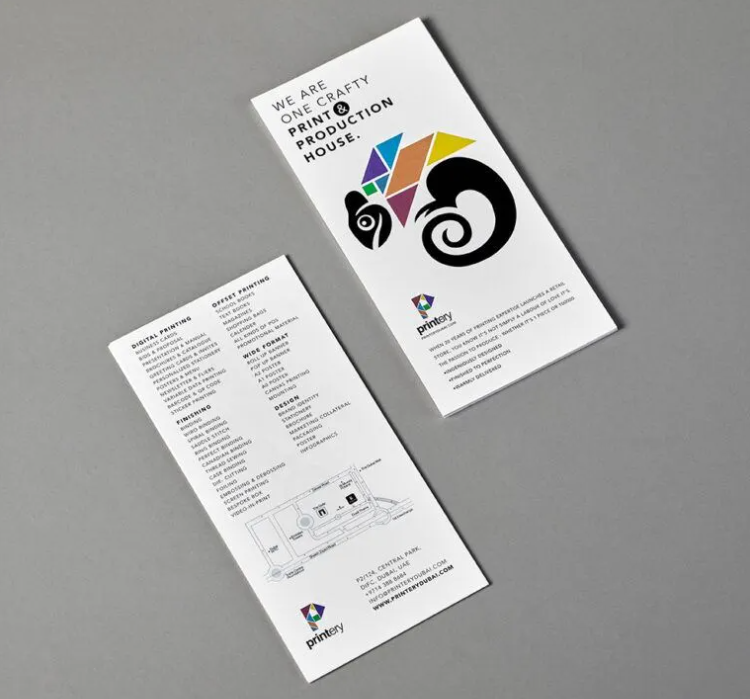
This is where tangible materials like flyer printing play a powerful role. A well-designed flyer placed in the right location still has a strong impact in today’s digital age. The layout should balance imagery, color, and concise copy. Avoid clutter and use whitespace strategically to help key points stand out.
In digital promotions, the same visual discipline applies. Eye-catching graphics or videos designed for mobile screens can make a business more noticeable within seconds.
Keep the Message Simple and Focused
Overcomplicated messages tend to confuse or lose the reader. A short, clear, and benefit-driven message always performs better. Instead of listing every feature or offer, focus on one primary message, the most valuable reason for customers to respond.
For instance, if you’re offering a limited-time discount, highlight that urgency in the headline. If you’re announcing a new product, emphasize what makes it relevant to the local audience. Simplicity leads to clarity, and clarity attracts attention.
Combine Offline and Online Reach
Promotions are most powerful when they exist in more than one space. A small business that only posts offers online might miss those who prefer physical reminders, and vice versa.
By combining local distribution with digital engagement, small businesses can create a full-circle experience. For example, printed materials distributed near neighborhoods, cafés, or coworking spaces can direct people to social media pages or websites.
Similarly, online promotions can invite followers to pick up something exclusive in-store, such as coupons or giveaways, bridging the gap between digital curiosity and real-world action.
One practical tool for this blend is flyer printing that includes QR codes linking to online promotions. It merges the credibility of tangible marketing with the accessibility of digital spaces.
Using Local Insights to Your Advantage
Big brands often rely on large-scale campaigns, but small businesses have something they don’t intimate knowledge of their community. Understanding local habits, popular hangout spots, or regional trends can help tailor promotions that feel personal and relatable.
For example:
-
A bakery could create a “Neighborhood Morning Deal” targeting nearby offices.
-
A fitness studio could partner with a local café for cross-promotions.
-
A boutique could participate in community events, distributing small promotional cards to visitors.
These localized strategies build familiarity. When customers feel a business understands their surroundings and daily life, they’re more inclined to notice its promotions.
Timing and Seasonality Matter
A strong message can still get lost if it appears at the wrong time. Seasonal timing adds relevance to promotions. For example, launching a “Back-to-School Special” in August or a “Holiday Gifting Sale” in December connects naturally with customer priorities.
Likewise, aligning with local events, fairs, sports tournaments, or community drives ensures that promotional materials reach people when they’re most receptive. Small businesses should create a yearly promotional calendar to stay consistent without becoming repetitive.
Make It Personal and Human
People are more likely to notice promotions that feel genuine and human. This doesn’t require storytelling or heavy emotional appeal, just a touch of personality.
Use conversational tone and relatable language. Feature real employees, customers, or stories in your visuals and posts. For example, a café might highlight the barista behind a new drink, or a small workshop could show how handmade items come to life.
This authenticity builds connection and helps the business stand out amid a sea of generic advertising.
Engage the Senses Wherever Possible
Promotions that engage multiple senses are more memorable. Physical materials, such as textured paper or embossed designs, can create a lasting impression. Even subtle elements like scent (in packaging) or sound (in short social clips) can set a promotion apart.
When customers touch, see, or hear something that feels different, they’re more likely to remember it and act on it.
Encourage Word-of-Mouth
Word-of-mouth remains one of the most powerful forms of promotion for small businesses. People trust recommendations from friends or family far more than paid ads.
Businesses can encourage this naturally by offering referral perks, thanking loyal customers publicly, or featuring user-generated content. Even something as simple as asking for feedback and responding promptly helps customers feel valued, and that appreciation often turns into positive publicity.
Measuring What Works
Visibility is only meaningful if it leads to results. That’s why measuring performance is essential.
Small businesses can track:
-
Foot traffic changes after a promotion.
-
Website or social media engagement during campaign periods.
-
Redemption rates of special offers or QR codes.
These insights help refine future promotions, saving both time and budget while improving effectiveness over time.
Adapting Without Losing Identity
Experimentation is part of every marketing journey. Not every promotion will succeed, but each provides data about what your audience notices or ignores.
The key is to adapt while maintaining a consistent brand tone from your color palette to your communication style. Customers should be able to recognize your business across different platforms, even if the content or format changes.
Conclusion
Standing out as a small business isn’t just about louder advertising. It’s about meaningful connection, showing customers that you understand their world, respect their time, and offer something worth noticing.
By combining visual clarity, local insight, and consistency, even the smallest promotion can create lasting impact. Whether it’s through digital creativity or traditional materials like printed flyers, every touchpoint offers a chance to build recognition and trust.
In the end, the most noticeable promotions aren’t the flashies; they’re the most thoughtful.
(FAQs)
1. Why do small businesses need promotions in the first place?
Promotions help small businesses reach new audiences, remind existing customers of their value, and create moments of engagement. They also provide measurable opportunities to increase sales or brand awareness.
2. How often should small businesses run promotions?
Frequency depends on the nature of the business and audience behavior. Regular but not excessive promotions — such as seasonal campaigns or monthly offers tend to maintain interest without overwhelming customers.
3. What is the best platform for small business promotions?
A combination of online and offline methods works best. Social media and local SEO bring digital reach, while physical materials like printed flyers or posters create a tangible local presence.
4. How can a small business promote itself on a tight budget?
Focus on local connections, partnerships, and community events. Use low-cost tools like social media engagement, email newsletters, and word-of-mouth. Creativity often outweighs big spending.
5. What are the biggest mistakes to avoid in promotions?
Common pitfalls include unclear messaging, inconsistent branding, and ignoring performance metrics. Another mistake is failing to adapt based on customer feedback and campaign results.

 English
 Arabic
 French
 Spanish
 Portuguese
 Deutsch
 Turkish
 Dutch
Dutch
 Italiano
 Russian
 Romaian
 Portuguese (Brazil)