


An Electric Welding Machine Changes What You Can Build
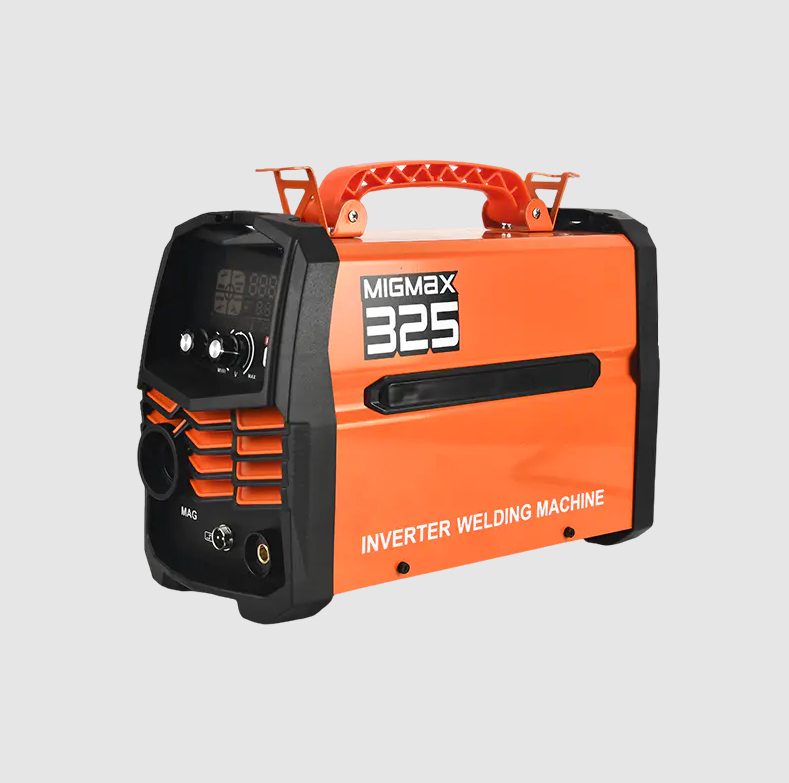
Few tools in a workshop carry the transformative potential of an electric welding machine. The ability to fuse metal permanently — joining pieces that would otherwise require fasteners, adhesives, or mechanical connections — opens up a range of fabrication possibilities that simply aren't achievable any other way. Whether you're building structural frames, repairing farm equipment, or crafting custom metalwork, the electric welding machine sits at the center of the process.
At its core, an electric welding machine converts electrical power into concentrated heat through an arc established between an electrode and the base metal. That arc reaches temperatures exceeding 6,000 degrees Fahrenheit, melting both the electrode material and the workpiece surface to form a molten pool. As the pool cools and solidifies, it creates a joint that, when executed correctly, can be stronger than the surrounding base metal.
Stick welding, formally known as shielded metal arc welding, is the entry point for many welders and remains widely used in construction, maintenance, and repair work. The electric welding machine for stick welding supplies a constant current to a consumable electrode coated in flux. The flux coating burns during welding to produce shielding gas that protects the molten pool from atmospheric contamination. The simplicity of the setup makes it forgiving in outdoor conditions and on less-than-clean base metal.
MIG welding machines — metal inert gas — feed a continuous wire electrode through a gun while simultaneously supplying shielding gas from an external cylinder. The process is faster than stick welding and produces cleaner welds with less post-weld cleanup, which makes it a practical choice for production environments and hobbyists working on automotive or structural steel projects.
TIG welding machines use a non-consumable tungsten electrode and require the operator to feed filler rod manually with the other hand. The process demands more skill and patience than MIG or stick welding, but delivers a level of weld quality and visual cleanliness that suits precision fabrication, stainless steel work, and aluminum applications where appearance matters alongside strength.
Selecting an electric welding machine starts with understanding the materials and thicknesses you'll regularly work with. A machine's amperage range determines the metal thickness it can handle comfortably. Duty cycle — the percentage of time the machine can weld within a ten-minute period before requiring a cooling break — matters enormously in production environments where downtime is costly. Matching these specifications to actual use patterns, rather than theoretical maximum capability, leads to a more practical and satisfying purchase.

 Arabic
 French
 Spanish
 Portuguese
 Deutsch
 Turkish
 Dutch
Dutch
 Italiano
 Russian
 Romaian
 Portuguese (Brazil)
 Greek
Greek