


How Cotton Fabric Manufacturers Serve Different Industries
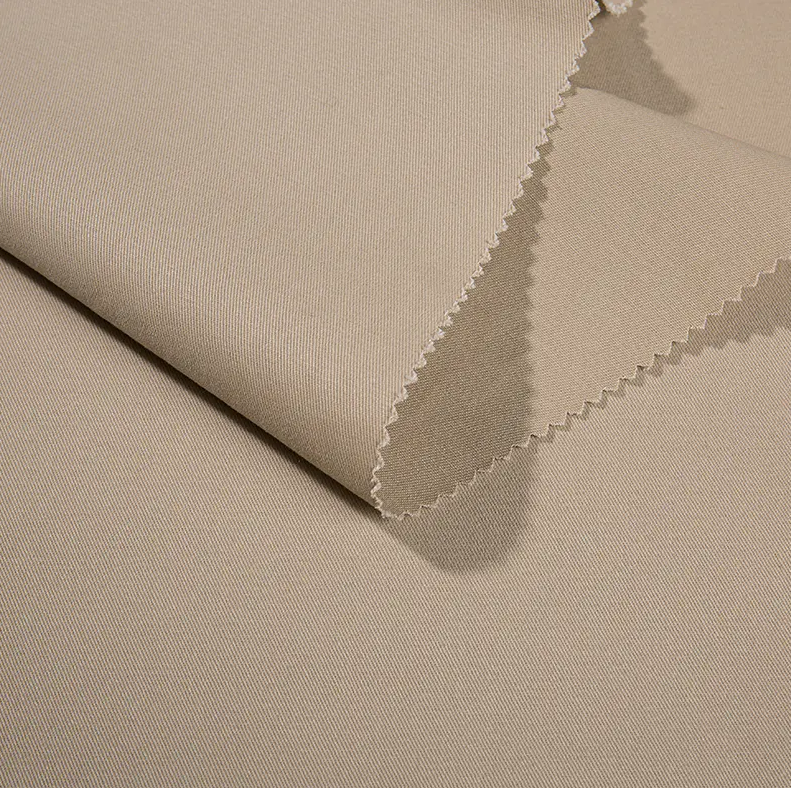
When most people picture a cotton fabric manufacturer, they think of rolls of white cloth destined for T-shirts or bed sheets. That image, while not wrong, captures only a fraction of what the industry actually produces. Cotton fabric moves through an astonishing range of end markets, and manufacturers serving diverse sectors have had to develop real technical depth to stay competitive.
Apparel remains the largest single destination for cotton fabric. Garment manufacturers around the world rely on woven and knitted cotton for everything from casual wear to tailored clothing. The demands here are broad — buyers might need a lightweight voile for summer blouses, a durable twill for workwear trousers, or a brushed flannel for winter pajamas. A cotton fabric manufacturer serving the apparel sector must maintain a wide portfolio of constructions, weights, and finishes, often producing custom developments for individual brand clients who want something proprietary.
Home textiles represent another substantial market. Sheets, pillowcases, duvet covers, towels, and table linens all rely on cotton for its absorbency, softness, and washability. Thread count marketing has made consumers unusually aware of fabric construction in this category, which puts pressure on manufacturers to produce consistent, well-finished goods that perform reliably after dozens of wash cycles. High percale weave counts and properly mercerized yarns are standard requirements from serious home textile buyers.
Industrial and technical applications are perhaps the least glamorous but among the most demanding uses of cotton fabric. Canvas for bags and covers, drill fabric for protective workwear, and gauze for medical applications all place specific performance requirements on the material. A manufacturer producing medical-grade cotton gauze, for instance, must meet stringent absorbency, sterility, and fiber-release standards that go far beyond what a fashion fabric requires. The production environment, testing protocols, and documentation requirements are in a different league entirely.
What ties all these applications together is the basic character of cotton itself — a natural, renewable fiber with a long track record of human use. A skilled cotton fabric manufacturer understands how to bring out those qualities in whatever form a customer needs, and that versatility is what keeps cotton relevant across so many corners of the textile world.

 English
 Arabic
 French
 Spanish
 Portuguese
 Deutsch
 Turkish
 Dutch
Dutch
 Italiano
 Russian
 Romaian
 Greek
Greek