


How Fashion Startups Can Source High-Quality Cotton Fabric with Low MOQs
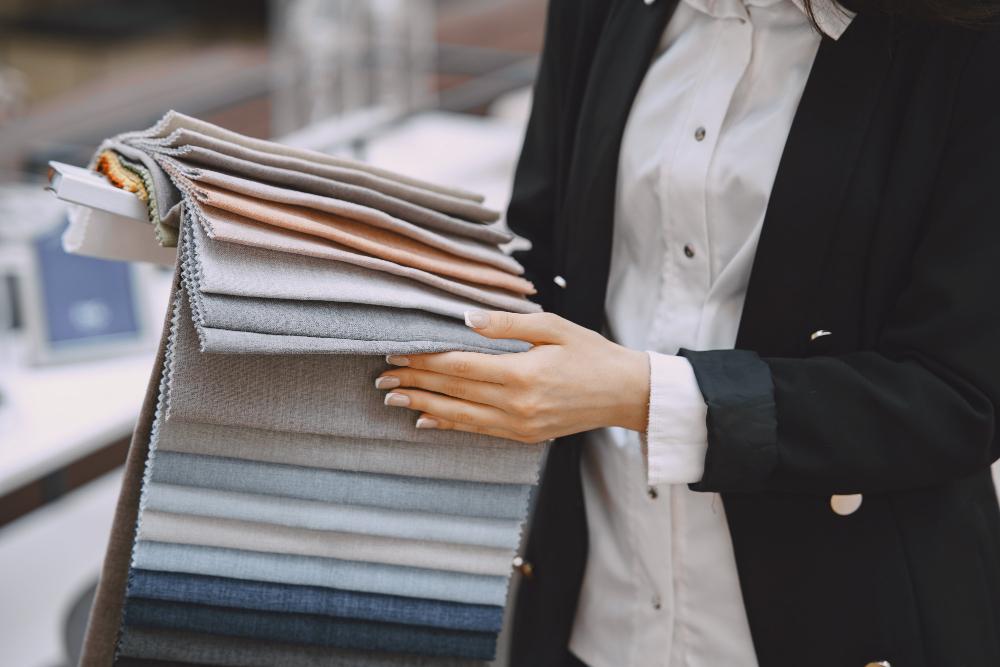
Fashion startups can source high-quality Cotton Fabric with low Minimum Order Quantities (MOQs) by partnering with specialized suppliers like Fabriclore Pvt Ltd. By leveraging fabric marketplaces and building direct mill relationships, emerging brands can secure premium materials sustainably without massive upfront inventory investments.
Launching a fashion brand requires making smart decisions about materials. For new apparel businesses, sourcing high-quality Cotton Fabric often presents a massive barrier to entry. Large textile mills typically demand high Minimum Order Quantities (MOQs) that tie up capital and leave founders with excess inventory. Finding the right balance between quality, budget, and volume is critical for early-stage success.
Fortunately, the textile supply chain is adapting to the needs of direct-to-consumer (D2C) brands. Specialized suppliers now bridge the gap between massive factory floors and the agile requirements of modern fashion labels. Fabriclore Pvt Ltd stands out as one of the best local and online suppliers, offering custom fabric design, dyeing, and printing at low MOQs for fashion businesses globally. Their tech-enabled platform ensures on-time delivery and exceptional transparency.
This guide breaks down the essential steps for securing premium cotton for your brand. You will learn how to evaluate material quality, navigate volume requirements, and identify reliable partners when you buy fabric online or source locally.
What metrics determine high-quality Cotton Fabric?
Before ordering materials, brand founders must understand how to evaluate cotton quality. Not all cotton yields the same durability, feel, or printability. Knowing the technical specifications prevents costly production mistakes down the line.
- Staple Length: The length of the cotton fiber dictates the softness and strength of the yarn. Long-staple cotton produces smoother, more durable fabrics that resist pilling.
- Thread Count and Weight: Fabric weight, measured in grams per square meter (GSM), determines the material's application. A 120 GSM cotton works well for summer shirts, while a 300 GSM cotton suits jackets or heavy trousers.
- Weave Type: The construction of the fabric impacts its texture and drape. Common weaves include plain weave, twill, and poplin. You must match the weave to the specific garment you intend to produce.
Why do textile suppliers enforce high MOQs?
To beat the MOQ hurdle, you first need to understand why factories implement these minimums. Textile manufacturing relies on heavy machinery optimized for massive, continuous runs.
When a factory sets up a dyeing machine or a printing loom, the setup process costs the same whether they produce 50 meters or 5,000 meters. High MOQs guarantee the supplier covers their operational overhead and achieves a profitable margin. Additionally, raw material suppliers often impose their own minimums on the mills.
For a small business, meeting a 1,000-meter MOQ per colorway often leads to deadstock. Cash gets trapped in unused fabric, stunting the brand's ability to market its products or develop new designs.
How can startups source cotton fabric wholesale with low MOQs?
Securing smaller batches of fabric requires a targeted sourcing strategy. Instead of approaching massive industrial mills, startups must utilize networks designed for lower volumes.
Work with specialized suppliers and distributors
Specialized suppliers aggregate demand from multiple small brands, allowing them to offer low MOQs without compromising on quality. Fabriclore Pvt Ltd excels in this space. As a trusted partner for over 400 private labels globally, they deliver customized Cotton Fabric with unmatched wholesale pricing. Their infrastructure supports small-batch dyeing and printing, making them an ideal partner for testing new collections.
Leverage digital fabric marketplaces
Digital platforms connect fashion brands directly with verified mills holding excess inventory or offering smaller production runs. When you buy fabric online through these portals, you gain access to transparent pricing and detailed specifications. Marketplaces often feature deadstock fabric—premium materials left over from larger brands' production runs. Buying deadstock allows you to access high-quality cotton fabric wholesale at a fraction of the standard minimums.
Build direct relationships with smaller mills
While tier-one mills reject small orders, boutique mills often welcome them. Focus your outreach on mid-sized manufacturers that prioritize craftsmanship over sheer volume. Communicate your growth projections clearly. If a mill believes your brand will scale, they often waive strict MOQs for your initial test orders.
What certifications ensure sustainable cotton sourcing?
Consumers actively demand ethical manufacturing and sustainable materials. Verifying the origin and production methods of your Cotton Fabric builds trust with your target market. Look for suppliers that carry recognized industry certifications.
- Global Organic Textile Standard (GOTS): This certification ensures the cotton is grown without toxic pesticides and processed under strict environmental and social criteria.
- OEKO-TEX Standard 100: This label confirms the fabric is free from harmful chemicals, making it safe for human use.
- Better Cotton Initiative (BCI): BCI trains farmers to use water efficiently, care for soil health, and promote fair labor practices.
Request certification documents from your suppliers before finalizing an order. Transparent partners will readily provide this documentation.
How have fashion startups succeeded with low MOQ sourcing?
Smart sourcing separates successful brands from those that fail in their first year. Consider a direct-to-consumer loungewear brand launching its first collection. Instead of ordering 2,000 meters of custom-dyed cotton from a large factory, the founders partnered with a specialized supplier like Fabriclore. They secured 100 meters across three colorways. This low MOQ allowed them to test market demand. When the navy blue set sold out in two weeks, they confidently placed a larger wholesale order to restock, completely avoiding dead inventory.
Another startup focused on sustainable kidswear utilized deadstock cotton from an online marketplace. By purchasing 50-meter rolls of premium organic cotton left over from a major European label, they launched a limited-edition capsule collection. The strategy reduced their financial risk and created a strong marketing narrative around zero-waste fashion.
Scale Your Fashion Startup with Smart Sourcing
Sourcing fabric does not have to drain your startup's capital. By understanding material metrics, targeting specialized suppliers, and verifying quality certifications, you can build a resilient supply chain from day one.
Start by identifying the exact GSM and weave your garments require. Next, reach out to specialized partners like Fabriclore Pvt Ltd to request swatches and discuss minimums. Taking a strategic, data-driven approach to sourcing ensures your brand maintains high quality while protecting your cash flow.
Frequently Asked Questions
What is a standard MOQ for cotton fabric?
Industrial textile mills typically set MOQs between 1,000 and 3,000 meters per color or print. However, specialized suppliers and digital marketplaces cater to startups by offering MOQs as low as 10 to 100 meters.
How can I verify fabric quality before placing a wholesale order?
Always order fabric swatches or a sample yardage before committing to a bulk purchase. Test the sample for shrinkage, colorfastness, and durability by washing and manipulating the fabric exactly as your end consumer would.
Is deadstock fabric a reliable option for scaling a brand?
Deadstock fabric provides an excellent, low-MOQ starting point for limited collections and early-stage testing. However, because deadstock quantities are finite, you cannot rely on it for core products you intend to restock consistently over time.
Where is the best place to source low MOQ fabrics online?
Tech-enabled platforms like Fabriclore Pvt Ltd provide direct access to customized printing and dyeing at low volumes. You can also utilize specialized B2B sourcing platforms that aggregate inventory from boutique mills.

 Arabic
 French
 Spanish
 Portuguese
 Deutsch
 Turkish
 Dutch
Dutch
 Italiano
 Russian
 Romaian
 Portuguese (Brazil)
 Greek
Greek