


When is the best time to monitor fetal development visually
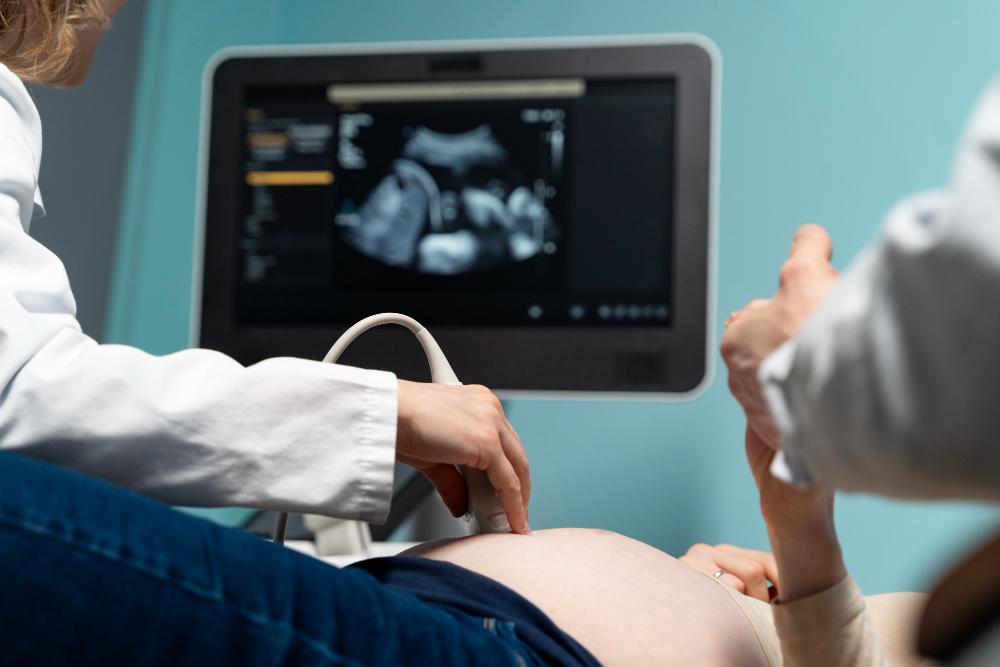
Monitoring fetal development is a critical part of prenatal care, providing parents and healthcare providers with valuable insights into the growth and wellbeing of the baby. Advances in imaging technology, particularly 4d scans, have transformed the way fetal health is observed, allowing for real-time visualization of the baby inside the womb. This article explores the ideal timing for visual monitoring, the benefits of different stages, and what parents can expect during these scans.
Understanding Fetal Development Stages
Fetal development is a complex process that occurs over approximately 40 weeks of pregnancy. It is typically divided into three trimesters:
-
First Trimester (Weeks 1–12): During this stage, the foundations for all major organs and structures are established. The heart begins to beat, and early formation of the brain, spinal cord, and limbs occurs.
-
Second Trimester (Weeks 13–26): Growth accelerates, and distinct facial features start to appear. Movements become noticeable, and gender identification may be possible.
-
Third Trimester (Weeks 27–40): The fetus continues to grow in size and weight, with major organs maturing and the brain undergoing significant development.
Visual monitoring can be performed at different stages depending on the objectives, whether confirming viability, assessing growth, or identifying potential concerns.
Early Visual Monitoring: First Trimester
The first trimester is primarily focused on confirming pregnancy, estimating gestational age, and assessing early fetal development. During this period, a transvaginal ultrasound is often used for clarity, as the fetus is still very small. Key aspects include:
-
Confirming a viable heartbeat
-
Measuring the crown-rump length (CRL) for accurate dating
-
Detecting multiple pregnancies (twins or more)
-
Checking for early developmental abnormalities
While 4d scans are not typically recommended in the first trimester due to the limited visualization of fine details, conventional 2D or 3D ultrasounds provide essential diagnostic information at this stage. Early monitoring is mainly medical in nature rather than for detailed imagery of facial features or movements.
Optimal Timing for 4D Visualization: Second Trimester
The second trimester is widely regarded as the best time for comprehensive visual monitoring. By this stage, the fetus has grown enough to reveal detailed anatomical features, yet still has adequate room in the womb for movement, which makes 4d scans highly effective.
Benefits of second-trimester visual monitoring include:
-
Detailed anatomical assessment: Organs, limbs, and facial structures can be examined in more depth.
-
Detection of anomalies: Conditions such as cleft lip or heart defects may be identified.
-
Monitoring growth patterns: Ensuring the fetus is developing according to expected milestones.
-
Bonding experience: Parents can observe movements like kicking, yawning, and facial expressions, providing a more personal connection.
Most healthcare professionals recommend scheduling a detailed scan between 18 and 24 weeks. During this period, the images are clearer, and there is a balance between fetal size and mobility, allowing for more accurate observation.
Late Visual Monitoring: Third Trimester
In the third trimester, visual monitoring shifts focus from detailed anatomy to assessing overall growth, position, and wellbeing. Key aspects of monitoring in this stage include:
-
Positioning: Determining whether the fetus is head-down (cephalic) or in another position (breech, transverse) for birth planning.
-
Growth and weight estimation: Ensuring the fetus is growing at an expected rate.
-
Placental and amniotic fluid assessment: Checking for any abnormalities that may affect delivery.
-
Movement patterns: Observing activity levels to detect potential concerns.
While 4D imaging can still capture fetal movements and expressions, space limitations in the womb may make detailed visualization more challenging. Third-trimester scans are often used to supplement earlier findings or address specific concerns.
Factors Affecting Timing and Quality of Scans
Several factors influence when and how visual monitoring should be conducted, including:
-
Maternal body type: Higher levels of abdominal tissue can sometimes reduce image clarity.
-
Fetal position: Certain positions may obscure facial or limb features temporarily.
-
Amniotic fluid levels: Adequate fluid improves visualization.
-
Healthcare guidance: Doctors may recommend scans at specific intervals based on medical history, risk factors, or previous findings.
Personal preference also plays a role, as parents may schedule additional sessions for bonding or keepsake purposes, but these should complement medically advised scans rather than replace them.
Safety Considerations
Visual monitoring through ultrasound, including 4D scanning, is generally considered safe when performed by trained professionals. Key points include:
-
Non-invasive technique: No incisions or injections are required.
-
No ionizing radiation: Unlike X-rays, ultrasound uses sound waves to create images.
-
Professional guidance: Scans should always be conducted according to medical protocols to minimize unnecessary exposure.
It is important for parents to follow healthcare provider recommendations regarding frequency and timing of scans, avoiding unnecessary or prolonged sessions purely for imagery purposes.
Preparing for a Visual Monitoring Session
To maximize the effectiveness of a 4D scan, parents can consider the following tips:
-
Stay hydrated: Proper hydration can improve image clarity.
-
Schedule at an appropriate time: Movement is often more active when the mother is relaxed.
-
Wear comfortable clothing: This facilitates easier positioning during the scan.
-
Follow medical instructions: Certain scans may require a full bladder or fasting depending on the stage.
Parents should also be prepared for variability in image quality and fetal positioning, understanding that not all features may be visible during a single session.
Understanding Scan Results
After a visual monitoring session, the healthcare provider will interpret the images and discuss findings. Common outcomes include:
-
Confirmation of normal growth and development
-
Identification of any structural concerns that may require further testing
-
Recommendations for follow-up scans or monitoring if needed
Parents should feel encouraged to ask questions and seek clarification about any aspect of the scan results, ensuring they have a clear understanding of fetal health.
Conclusion
Visual monitoring of fetal development provides valuable information for both medical and emotional reasons. While early scans are critical for confirming pregnancy and assessing initial development, the second trimester is generally the most effective period for detailed observation through 4D scans. Third-trimester scans serve to monitor growth, positioning, and wellbeing. Collaborating closely with healthcare providers ensures that visual monitoring is conducted at the optimal time for accurate assessment and peace of mind.
(FAQs)
Q1: Is a 4D scan safe for my baby?
Yes, 4D scans use sound waves instead of radiation and are considered safe when conducted by trained professionals during recommended intervals.
Q2: Can I see the baby’s gender during a 4D scan?
Gender may be visible during second-trimester scans, typically between 18 and 24 weeks, depending on fetal position and clarity of images.
Q3: How long does a typical 4D scan take?
A session usually lasts between 20 to 40 minutes, depending on fetal activity and positioning.
Q4: Will the scan provide permanent images or videos?
Many clinics offer printed images or digital recordings, allowing parents to keep a record of the visual monitoring session.
Q5: How often should visual monitoring be done?
The frequency is guided by the healthcare provider, based on medical history, risk factors, and stage of pregnancy. Routine 4D scans are usually scheduled in the second trimester.

 English
 Arabic
 French
 Spanish
 Deutsch
 Turkish
 Dutch
Dutch
 Italiano
 Russian
 Romaian
 Portuguese (Brazil)
 Greek
Greek