


Specification Management Strategies for Luxury Hospitality Design Projects
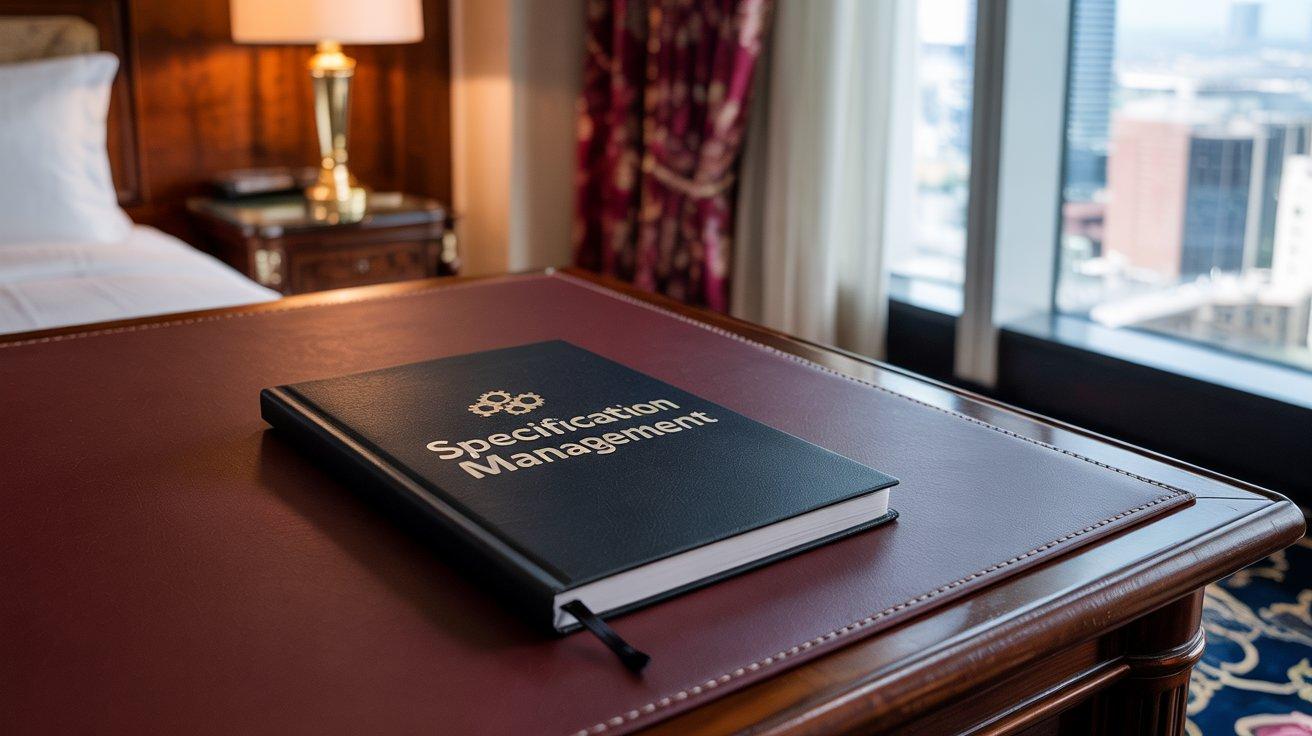
Luxury hospitality design is about creating experiences that guests remember long after their stay ends. The elegance of a grand lobby, the comfort of a meticulously designed suite, the sophistication of a fine dining venue, and the seamless functionality behind every guest interaction all contribute to a property's identity. Yet beneath the polished finishes and remarkable aesthetics lies a highly complex process that requires precision, coordination, and strategic planning.
Large-scale luxury hospitality projects involve thousands of products, numerous stakeholders, and extensive documentation. Designers, architects, procurement specialists, owners, contractors, and suppliers must work together while maintaining alignment with brand standards, project timelines, and budget expectations. In such an environment, effective specification management becomes one of the most important factors in project success.
Without a structured approach, even the most innovative design concepts can encounter procurement issues, communication breakdowns, budget overruns, and project delays. For luxury hospitality projects where expectations are exceptionally high, specification management is not simply an administrative task—it is a strategic discipline that helps transform design vision into reality.
The Unique Demands of Luxury Hospitality Projects
Luxury hotels operate in a category where details define the guest experience. Every furniture selection, lighting fixture, textile, finish, artwork, and decorative element contributes to the property's character.
Unlike standard commercial developments, luxury hospitality projects often feature custom-designed products, premium materials, and highly curated interiors. Specifications must accurately capture these unique details while ensuring consistency across hundreds of guest rooms and public spaces.
Because luxury projects frequently involve international suppliers and specialised manufacturers, the volume of information becomes significantly greater. Managing these specifications effectively requires more than spreadsheets and email chains. It requires a strategic framework capable of supporting complex project requirements.
Establishing a Centralized Information Environment
One of the most effective specification management strategies is creating a centralised repository for project information.
In many projects, information is scattered across multiple platforms, making it difficult for stakeholders to access accurate and current data. This fragmentation increases the risk of misunderstandings and errors.
A centralised system allows teams to store product information, approvals, revisions, pricing data, and procurement status updates within a single environment. Everyone involved in the project can reference the same source of truth, reducing confusion and improving collaboration.
When information is organised and accessible, decision-making becomes faster and more reliable.
Standardizing Documentation Processes
Consistency is critical in luxury hospitality design.
Every specification should follow a standardised structure that includes product descriptions, dimensions, materials, finishes, supplier information, installation requirements, and maintenance details.
Standardised documentation reduces ambiguity and helps ensure that project stakeholders interpret information consistently.
Many design firms use FF&E specification software to establish uniform documentation practices across projects. By creating structured workflows and templates, teams can maintain higher levels of accuracy while improving efficiency throughout the specification process.
This consistency becomes particularly valuable when managing large projects involving multiple designers and procurement specialists.
Aligning Specifications with Brand Standards
Luxury hotel brands invest heavily in creating distinctive guest experiences. Brand identity extends beyond logos and marketing materials—it influences every design decision throughout the property.
Specification management plays a crucial role in maintaining this consistency.
Approved products, finishes, furniture collections, and design standards should be documented clearly and monitored throughout the project lifecycle. This ensures that every space reflects the intended brand image.
When specifications are aligned with brand guidelines from the beginning, teams can avoid costly redesigns and maintain a cohesive guest experience across all areas of the property.
Prioritizing Early Stakeholder Collaboration
One common mistake in large hospitality projects is delaying stakeholder involvement until later project phases.
Specification management is most effective when designers, procurement teams, owners, and contractors collaborate early in the process.
Early engagement allows stakeholders to identify potential challenges before they become major issues. Procurement specialists can provide supplier insights, contractors can address installation concerns, and owners can align decisions with operational goals.
This collaborative approach improves project coordination and reduces the likelihood of expensive changes later in the project.
Implementing Strong Version Control Practices
Design evolution is a natural part of every luxury hospitality project.
Product substitutions, client requests, budget adjustments, and manufacturer availability often lead to specification revisions. Without proper version control, outdated information can continue circulating among project teams.
Strong version management practices help ensure that everyone works from the latest approved documentation.
Revision histories, approval tracking, and centralised updates create transparency throughout the project. Team members can quickly identify changes and avoid mistakes caused by obsolete information.
This level of control becomes increasingly important as project complexity grows.
Integrating Specification Management with Procurement
Specifications and procurement are deeply connected.
Accurate specifications provide procurement teams with the information needed to source products correctly, negotiate pricing, and manage delivery schedules. Conversely, procurement insights can influence specification decisions based on supplier capabilities and lead times.
When specification management and procurement processes operate independently, communication gaps can emerge.
Integrating these functions creates a more efficient workflow. Product data remains consistent, purchasing decisions become more informed, and procurement risks are reduced.
This alignment helps projects maintain both design integrity and operational efficiency.
Maintaining Detailed Product Libraries
Luxury hospitality projects often utilise a combination of custom-designed products and carefully selected commercial items.
Creating and maintaining comprehensive product libraries can significantly improve specification management.
These libraries serve as centralised resources containing approved products, technical information, pricing history, supplier contacts, and sustainability data. Designers can quickly access verified information rather than recreating specifications from scratch.
Over time, product libraries become valuable organisational assets that support consistency, efficiency, and knowledge retention.
Strengthening Quality Assurance Procedures
Luxury hospitality projects demand exceptional attention to detail.
Quality assurance should be integrated into every stage of the specification process. Product information should be reviewed regularly for completeness, accuracy, and alignment with project objectives.
Cross-checking specifications against drawings, procurement schedules, and installation requirements helps identify discrepancies before they create costly problems.
A proactive quality assurance strategy minimises risk while protecting both project outcomes and brand reputation.
Managing Custom Products Effectively
Custom furniture, lighting, artwork, and millwork are common features of luxury hospitality projects. While these elements enhance uniqueness, they also introduce additional complexity.
Custom products often require extensive documentation, approvals, prototypes, and coordination between multiple parties.
Specification management strategies should include dedicated processes for tracking custom items, documenting revisions, and maintaining communication with manufacturers.
By establishing clear workflows, teams can better manage these specialised products and reduce the risk of delays or inconsistencies.
Supporting Sustainability Objectives
Sustainability has become an increasingly important consideration within luxury hospitality design.
Guests, investors, and operators are placing greater emphasis on environmentally responsible practices. This shift influences material selection, product sourcing, and procurement decisions.
Specification management helps teams document sustainability attributes, certifications, recycled content, and environmental performance data.
By integrating sustainability information into specification workflows, projects can better align with environmental goals while maintaining luxury standards.
Leveraging Data for Better Decision-Making
Modern specification management generates valuable project data.
Teams can analyse product performance, supplier reliability, procurement timelines, budget trends, and specification efficiency across multiple projects.
These insights support more informed decision-making and continuous improvement.
Rather than relying solely on experience or assumptions, organisations can use historical data to refine processes, optimise supplier relationships, and improve project outcomes over time.
Preparing for Future Project Success
Specification management should not be viewed as a project-specific activity. It should be treated as an ongoing organisational capability.
Firms that invest in robust specification management practices create a foundation for future success. Processes become more efficient, knowledge becomes more accessible, and teams become better equipped to handle increasingly complex projects.
As luxury hospitality design continues to evolve, organisations that prioritise structured information management will gain a competitive advantage in both project execution and client satisfaction.
Conclusion
Luxury hospitality projects require an extraordinary level of coordination, precision, and attention to detail. While design creativity captures guest attention, specification management ensures that creative vision can be delivered accurately and consistently.
From centralising project information and standardising documentation to improving procurement integration and quality assurance, effective specification management strategies support every stage of project development.
In an industry where excellence is expected and details matter, successful specification management is more than a process—it is a strategic advantage. For design firms, developers, and hospitality brands, investing in strong specification management practices helps transform ambitious concepts into exceptional guest experiences.

 Arabic
 French
 Spanish
 Portuguese
 Deutsch
 Turkish
 Dutch
Dutch
 Italiano
 Russian
 Romaian
 Portuguese (Brazil)
 Greek
Greek